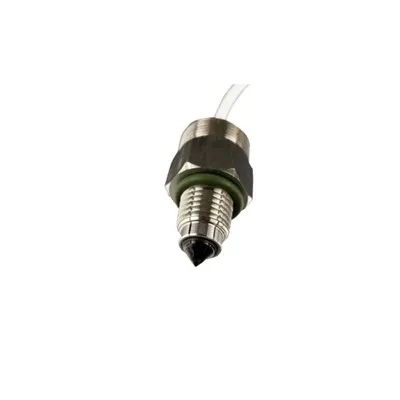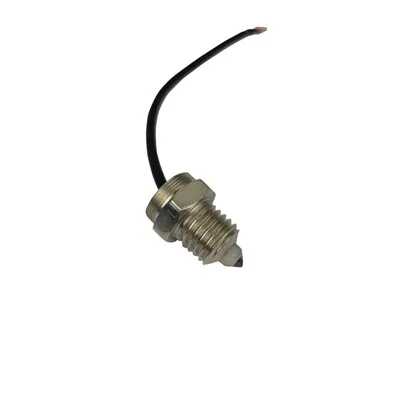
Liquid level sensors for harsh environments
Harsh-duty applications-chemical plants, mining, wastewater, and high-heat process skids-punish instrumentation with corrosion, coating, vibration, foam, and washdowns. Choosing Liquid level sensors for harsh environments isn't just about accuracy; it's about survivability and stable signals over time. This guide covers practical industrial liquid level measurement choices, from contact probes to non-contact technologies, plus quick checks for troubleshooting false level readings.
What makes an environment "harsh" for liquid level sensors?
Common failure drivers include:
Aggressive media (acids/solvents): focus on the best level sensor for aggressive media and compatible wetted materials.
High pressure / washdown: consider IP68 waterproof level transmitters and sealed cabling.
High heat: compare high temperature level sensor options and derate electronics.
Coating, sludge, slurry: look for a non contact level sensor for slurry or designs that tolerate buildup.
Sensor technologies that hold up
Contact sensors (when material compatibility is manageable)
Capacitive liquid level sensors: great for compact installs; a capacitive level sensor for viscous fluids can work well if calibrated for changing dielectric constants. Also consider a rugged capacitive liquid level sensors probe with stable insulation.
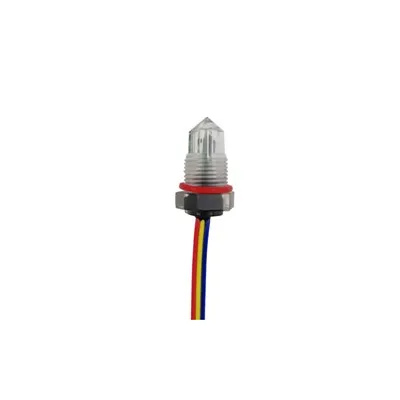
Optical liquid level sensors: small and precise for point-level detection, but lens fouling can be an issue in sticky media; still useful as optical liquid level sensors in clean, aggressive fluids with compatible housings.
Vibration tuning fork level switch: reliable point-level in foamy or turbulent tanks; coating can be managed with proper fork selection and mounting.
Stainless steel 316L level probes: a common baseline for corrosion resistance; verify chloride/temperature limits and consider higher alloys if needed.
Non-contact sensors (when buildup/corrosion is severe)
Ultrasonic vs radar level sensors: ultrasonics can struggle with steam, heavy foam, or turbulence; radar generally performs better in vapors and varying density, making it a strong float switch alternatives for dirty liquids option.
Safety and compliance in hazardous areas
For solvents and fuels, specify intrinsically safe level sensors ATEX (and the matching barriers/isolators). Confirm temperature class, gas group, and entity parameters with your control panel design.
Corrosion resistant level sensor selection: a quick checklist
When deciding how to choose a level sensor, validate:
Media compatibility (wetted parts, seals, cable jacket)
Required output (switch, 4–20 mA, HART, IO-Link)
Mounting constraints and dead zones
Clean-in-place chemicals and washdown ratings
EMC/noise environment and grounding strategy
Examples: chemical tanks and dirty processes
Chemical tank level monitoring solutions often favor radar or well-specified 316L/alloy probes with robust seals.
For sludge or grit, use radar or a tuning fork rather than floats-classic float switch alternatives for dirty liquids.
Troubleshooting false level readings (fast fixes)
Check buildup on probes/forks and revalidate calibration
Verify grounding, shielding, and cable routing
Look for condensation/foam effects (ultrasonic) and adjust blanking/filtering
Confirm process temperature and pressure remain within spec
Takeaway
The best liquid level sensors strategy matches media chemistry, temperature, and fouling risk to the right technology-often radar or tuning fork for the worst services, and capacitive/optical where conditions are controlled.
Estimated word count (body): ~490 words.