Understanding the Benefits of Motorized Valves
Frequently Asked Questions About Motorized Valves
What are motorized valves?
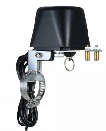
Motorized valves are valves operated by an electric actuator rather than by manual turning, pneumatic pressure, or hydraulic force. The actuator receives a signal from a controller, switch, thermostat, sensor, or automation system, then opens, closes, or modulates the valve position.
They are commonly used in industrial, commercial, and building automation systems where reliable flow control is important. Depending on the application, Motorized Valves may regulate water, steam, air, gas, chemicals, oils, or other process media.
How do motorized valves work?
A motorized valve combines two main components:
The valve body, which controls the flow of media through a pipeline
The electric actuator, which moves the valve into the required position
When the actuator receives a command, the motor drives the valve stem, ball, disc, or gate. Some valves are designed for simple on/off operation, while others provide precise modulation to maintain a target flow rate, pressure, temperature, or level.
In automated systems, motorized valves can be connected to control panels, PLCs, building management systems, or process control equipment.
What are the main benefits of motorized valves?
Motorized valves offer several practical advantages for facilities that need consistent, repeatable, and automated flow control.
Key benefits include:
Improved automation by reducing the need for manual valve operation
Greater process consistency through repeatable opening and closing positions
Enhanced safety by allowing remote operation in hard-to-reach or hazardous areas
Better energy efficiency when used to regulate heating, cooling, water, or process systems
Reduced labor requirements for routine valve adjustments
Integration with control systems for smarter monitoring and operation
For many operations, the biggest advantage is control. Motorized Valves help teams respond quickly to changing system conditions without relying solely on manual intervention.
Where are motorized valves commonly used?
Motorized valves are used across a wide range of industries and systems. Common applications include:
HVAC heating and cooling loops
Water treatment and wastewater systems
Chemical processing
Manufacturing lines
Food and beverage production
Power generation
Irrigation systems
Boiler and steam systems
Oil and gas processing
Pharmaceutical and clean process environments
Because they are available in many materials, sizes, and configurations, motorized valves can be selected for both general service and demanding industrial environments.
How are motorized valves different from manual valves?
Manual valves require a person to physically turn a handwheel, lever, or gear operator. Motorized valves use an electric actuator to move the valve automatically.
This difference matters when valves need to operate frequently, respond to sensor data, or be controlled from a central locati0n. Manual valves are often suitable for simple isolation tasks, while motorized valves are better suited for automation, remote control, and repeatable process management.
In many facilities, both types are used together. Manual valves may be installed for maintenance isolation, while motorized valves handle routine system control.
Are motorized valves the same as control valves?
Not always. The term control valves usually refers to valves designed to regulate flow, pressure, temperature, or level based on a control signal. Some motorized valves function as control valves when they are designed for modulating service.
However, not every motorized valve is a control valve. Some are simple on/off valves that fully open or fully close. Others can move to intermediate positions for proportional control.
When choosing between control valves and basic motorized on/off valves, the most important question is whether your system needs precise modulation or simple open-close operation.
What types of valves can be motorized?
Many industrial valves can be paired with electric actuators. Common motorized valve types include:
Ball valves, often used for tight shutoff and fast operation
Butterfly valves, commonly used for larger pipe sizes and general flow control
Gate valves, typically used for isolation rather than throttling
Globe valves, often selected for more precise control applications
Plug valves, used in certain process and utility systems
The right valve type depends on the media, pressure, temperature, flow requirements, available space, and desired level of control.
What industries benefit most from motorized valves?
Industries that rely on repeatable flow control, process automation, or remote operation often benefit the most from motorized valves. This includes manufacturing, water management, energy, chemical processing, HVAC, and industrial utilities.
Facilities with many valves spread across a large site may see especially strong advantages. Instead of sending personnel to manually adjust each valve, operators can control selected valves from a panel, workstation, or automated control sequence.
How do motorized valves support industrial automation?
Motorized valves are a key part of automated process control. They allow flow paths to change based on signals from sensors, timers, controllers, or operating programs.
For example, a system may use motorized valves to:
Start or stop flow when equipment turns on or off
Divert media between tanks, lines, or process stages
Maintain a specific temperature in a heating or cooling loop
Adjust flow in response to pressure changes
Isolate sections of a system during alarms or shutdowns
When integrated properly, Motorized Valves help industrial valves become part of a coordinated, responsive control strategy.
Can motorized valves improve safety?
Yes. Motorized valves can improve safety by reducing the need for personnel to access hazardous, elevated, confined, or difficult-to-reach valve locations. Operators can open or close valves remotely, which may reduce exposure to heat, chemicals, moving equipment, or pressurized systems.
They can also be included in emergency shutdown or alarm response sequences. In those situations, the valve may move to a predefined safe position when a fault is detected, depending on the actuator and control design.
Are motorized valves energy efficient?
Motorized valves can contribute to energy efficiency when they are used to regulate flow accurately and reduce waste. In HVAC systems, for example, they can help control heating and cooling distribution based on demand. In process systems, they can prevent unnecessary flow, reduce pump load, or help maintain stable operating conditions.
The actuator itself uses electricity, but many designs only draw significant power while moving. Actual efficiency depends on the system design, valve selection, actuator type, and control strategy.
What should I consider when selecting a motorized valve?
Important selection factors include:
Type of media flowing through the valve
Pipe size and connection type
Pressure and temperature conditions
Required flow rate
On/off or modulating control needs
Valve material compatibility
Actuator voltage and control signal
Required operating speed
Environmental conditions around the valve
Fail-safe or manual override requirements
Because industrial valves operate in different environments, there is no single best option for every application. Proper sizing and compatibility are essential for reliable performance.
What actuator options are available for motorized valves?
Electric actuators can vary by voltage, torque, speed, enclosure rating, control input, and feedback capability. Some actuators are designed for basic two-position control, while others accept modulating signals for more precise positioning.
Common features may include:
Open and close limit switches
Position feedback
Manual override
Weather-resistant or dust-resistant enclosures
Fail-safe return options
Local position indicators
The actuator should be matched to the valve torque requirements and the operating environment.
Do motorized valves require maintenance?
Yes, although maintenance needs vary by design and application. Routine inspection can help prevent unexpected failures and extend service life.
Typical maintenance steps may include:
Checking actuator operation
Inspecting wiring and connections
Verifying open and closed positions
Looking for leaks around the valve body or stem
Confirming control signals and feedback
Cleaning external surfaces in dusty or corrosive environments
Following manufacturer service recommendations
Valves used in harsh or critical applications may require more frequent inspection than valves used in light-duty service.
What are common signs a motorized valve needs attention?
A motorized valve may need inspection or service if you notice:
Slow or incomplete movement
Failure to open or close
Unusual actuator noise
Inaccurate position feedback
Leaks around the valve
Repeated control faults
Overheating actuator housing
Inconsistent flow or pressure response
Addressing these signs early may help prevent downtime, process disruption, or equipment damage.
Are motorized valves suitable for harsh industrial environments?
Many motorized valves are designed for industrial use, but suitability depends on the valve body, actuator enclosure, seals, materials, and installation conditions. Applications involving corrosive chemicals, outdoor exposure, washdown areas, high temperatures, or explosive atmospheres may require specialized valve and actuator configurations.
Before selecting equipment, it is important to evaluate both the process conditions inside the valve and the surrounding environment outside the valve.
Can motorized valves be controlled remotely?
Yes. Remote control is one of the major reasons facilities choose motorized valves. Depending on the system, operators may control valves from a local control panel, central control room, PLC, building automation system, or supervisory software.
Remote operation can improve response time, reduce manual labor, and make it easier to manage systems with multiple valves across large areas.
How long do motorized valves last?
Service life depends on operating frequency, media compatibility, pressure, temperature, installation quality, maintenance, and actuator design. A correctly selected valve in a clean, moderate-duty application may last much longer than one exposed to corrosive media, high cycling, vibration, or poor installation conditions.
To support long service life, choose the right valve for the application, install it correctly, and follow recommended inspection practices.
Why are motorized valves important in modern industrial systems?
Modern facilities increasingly rely on automation, efficiency, and data-driven control. Motorized Valves help connect mechanical flow control with electrical and digital control systems. This makes them valuable in operations that need repeatability, remote access, safety, and process stability.
Whether used as simple automated shutoff valves or as part of a more advanced control valve strategy, they play an important role in improving how industrial valves perform within complex systems.
How do I choose the right motorized valve for my application?
Start by defining what the valve needs to do. Identify whether it must isolate flow, modulate flow, divert media, respond to a sensor, or support a safety sequence. Then review the process conditions, material requirements, actuator specifications, and control system needs.
If the application involves critical performance, challenging media, or strict safety requirements, consult a valve specialist or qualified engineer before making a final selection. The right motorized valve can improve reliability, reduce manual work, and support more efficient system operation.