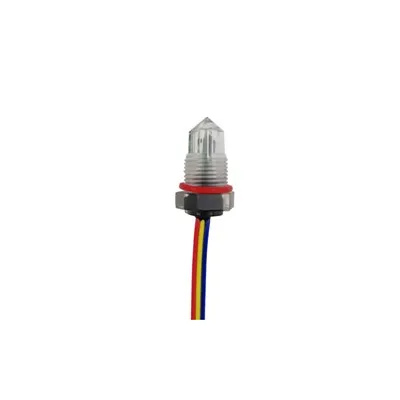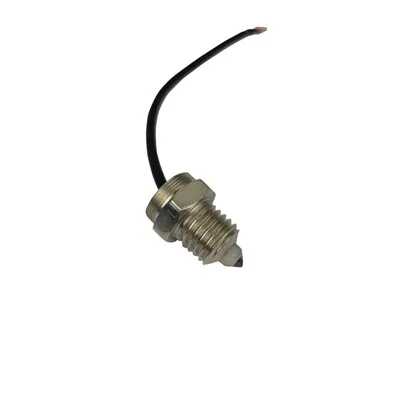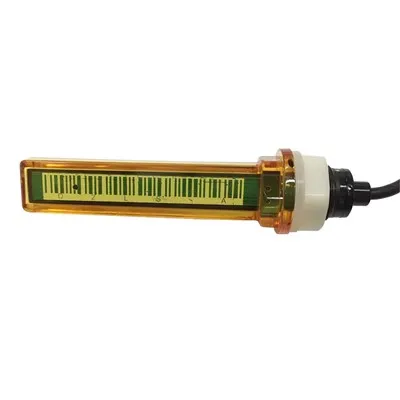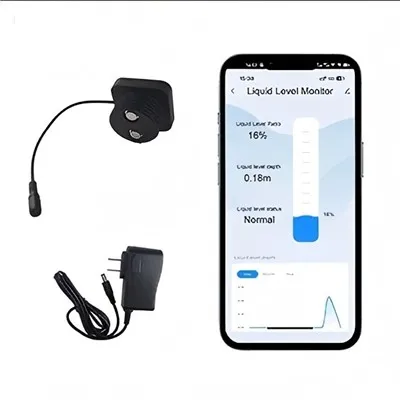
A liquid level sensor is a device designed to detect and measure changes in liquid height. Its primary attributes include high measurement accuracy, sensitive response, and strong adaptability. By sensing fluctuations in liquid levels, these sensors convert level information into electrical output signals, thereby providing reliable data support for monitoring, control, and automation systems. Based on their underlying measurement principles, liquid level sensors can be broadly categorized into two types-contact-based and non-contact-to meet the diverse application requirements of various scenarios.
Liquid level sensors are characterized by their excellent stability and reliability, maintaining high measurement precision even under conditions of continuous, long-term operation. To withstand complex industrial settings, many sensors feature designs that are waterproof, dustproof, heat-resistant, and corrosion-resistant, enabling them to function normally in harsh environments such as those found in the chemical, petroleum, and wastewater treatment industries. Furthermore, certain models possess strong anti-interference capabilities and are easy to maintain, effectively enhancing the safety and operational stability of the overall system.
With the advancement of automation technology, liquid level sensors have also evolved to incorporate intelligent and digital capabilities. Modern sensors not only monitor liquid level changes in real time but can also exchange data with control systems via digital communication interfaces, thereby enabling remote monitoring and automated control. This trend toward intelligent functionality has led to the increasingly widespread application of liquid level sensors across various sectors, including industrial manufacturing, environmental monitoring, smart home systems, and new energy technologies.