Innovative Smart Water Technologies for Sustainability
Water is becoming the most data-driven utility on earth. From drought-prone cities to aging pipes and rising energy costs, utilities and property owners need tools that reduce waste, improve reliability, and protect public health. Smart Water Tech is the umbrella term for connected sensors, meters, analytics, and automation that turn "invisible" water flows into measurable, manageable systems. Done right, Smart Water Tech supports sustainability by cutting non-revenue water, lowering treatment and pumping demand, and helping customers use only what they need.
What "Smart Water Tech" means (and why it matters)
At its core, Smart Water Tech combines hardware (meters, sensors, valves), connectivity (cellular, LoRaWAN water sensor connectivity, Wi‑Fi), and software (dashboards, alerts, modeling). The value comes from moving from reactive maintenance to predictive maintenance for pipelines and proactive conservation.
Key sustainability outcomes include:
Faster response to bursts and hidden leaks
Better demand forecasting and drought resilience
Lower energy use through optimized pumping and pressure management with remote valves
Improved compliance through continuous water quality monitoring
Smart metering: AMI, analytics, and customer engagement
Traditional meters are read monthly and provide little insight. Modern smart meters report usage frequently and enable faster anomaly detection.
What is AMI water metering?
What is AMI water metering? AMI (Advanced Metering Infrastructure) is a system of smart water meters, communications networks, and head-end software that collects meter reads automatically (often hourly or daily) and delivers near-real-time visibility for both utilities and customers. AMI is foundational for leak alerts, demand planning, and equitable billing.
Water usage analytics dashboard: turning reads into action
A water usage analytics dashboard can flag:
Continuous flow signatures (toilet flappers, irrigation line breaks)
Sudden spikes (service line failure)
High nighttime usage (often a strong leak indicator)
For homeowners and facility managers, dashboards also help set budgets and compare buildings, tenants, or zones.
Best smart water meter brands: how to evaluate (without hype)
Searches for best smart water meter brands usually want a simple list, but the smartest choice depends on fit. When comparing options, prioritize:
Accuracy class and low-flow sensitivity
Battery life and enclosure rating
Network compatibility (cellular vs RF mesh vs LoRaWAN)
API availability for integrations and reporting
Proven installation base and support
Tip: Ask vendors for independent accuracy certifications and a sample data export before committing.
How to install smart water meter (high-level checklist)
If you're researching how to install smart water meter, verify local rules first-many areas require licensed plumbers or utility approval. A practical checklist:
Confirm meter size, thread type, and flow range match your service line
Install an upstream strainer where recommended
Add shutoff valves and a bypass if your facility requires continuous service
Verify signal strength at the meter pit/closet (especially for basements)
Calibrate/commission in the app or portal and validate the first 24 hours of reads
Leak detection sensors: from homes to distribution networks
Leaks are one of the fastest wins for sustainability because every avoided gallon saves the embedded energy of treatment and pumping.
Leak detection sensors for homes
Leak detection sensors for homes commonly include:
Point sensors near water heaters, under sinks, and behind toilets
Whole-home flow monitors that learn normal patterns and alert on anomalies
Automatic shutoff valves that stop water during confirmed leak events
These devices are especially valuable for vacation homes, rentals, and older plumbing.
NRW reduction for utilities
For utilities, the goal is NRW reduction for utilities (non-revenue water): water produced but not billed due to leaks, theft, or metering inaccuracies. Effective programs blend:
District Metered Areas (DMAs) and night-flow analysis
Acoustic correlators and continuous listening sensors
Targeted pipe replacement based on break history and materials
AMI-enabled consumption anomaly detection
Smart irrigation systems: precision watering for landscapes and farms
Outdoor watering is often the biggest driver of peak demand. Smart irrigation systems use weather data, soil moisture, and zone-level scheduling to prevent overwatering.
Smart irrigation controllers vs traditional timers
In the debate of smart irrigation controllers vs traditional timers, the biggest differences are adaptability and feedback:
Smart controllers adjust to rainfall, evapotranspiration (ET), and seasonal changes
Traditional timers repeat schedules regardless of conditions
Smart systems can detect abnormal flow (broken heads/lines) and pause watering
Actionable tip: Start with high-water-use zones (turf, slopes, sunny beds) and fix coverage before automating schedules.
EPA WaterSense smart devices
If you're looking for trusted efficiency signals, consider EPA WaterSense smart devices and WaterSense-labeled products where applicable. These programs help buyers identify technologies designed to save water without sacrificing performance.
Water quality monitoring and IoT sensing at scale
Contamination events and operational upsets can be intermittent-spot checks may miss them. Continuous water quality monitoring closes that gap.
IoT water monitoring systems: the modern sensing stack
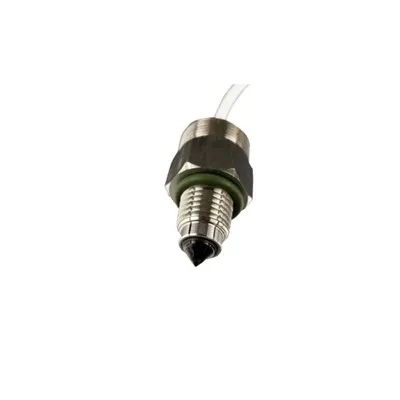
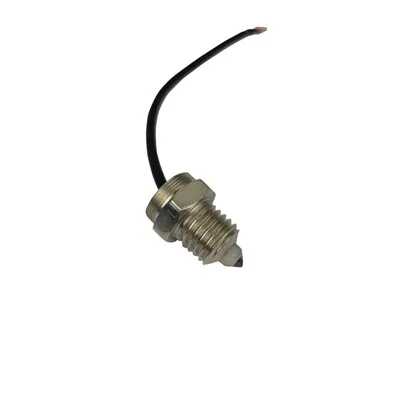
IoT water monitoring systems typically measure a mix of:
Pressure and flow (for leak and burst detection)
Temperature (for process control and asset protection)
Water quality indicators (e.g., pH, turbidity, conductivity, chlorine residual-depending on application)
Connectivity matters. In dense urban areas, cellular or RF mesh may be easiest; in wide rural networks, LoRaWAN water sensor connectivity can reduce power consumption and extend coverage.
Automation and integration: SCADA, valves, and digital twins
Smart Water Tech isn't just sensing-it's controlling.
SCADA integration for water networks
Many utilities already use SCADA for pumps, tanks, and major valves. SCADA integration for water networks becomes more powerful when paired with AMI and distributed sensors, enabling:
Faster isolation during bursts
Smarter pump scheduling to reduce energy
Alarm correlation across pressure, flow, and customer usage
Pressure management with remote valves
Reducing pressure can dramatically reduce leakage rates and break frequency. Pressure management with remote valves lets operators:
Maintain stable pressure bands
Apply time-of-day setpoints
Respond to transient events and firefighting needs
Digital twin for water distribution
A digital twin for water distribution combines hydraulic models with live telemetry to simulate "what-if" scenarios:
How a valve closure affects service levels
Where low pressure might occur during peak demand
Which assets are most likely to fail next
When paired with field data, digital twins strengthen capital planning and operational decisions.
Data ethics: water data privacy and security
Connected water systems collect sensitive patterns-when a building is occupied, when a business opens, and more. Water data privacy and security should be designed in from day one:
Encrypt data in transit and at rest
Use role-based access and strong audit logs
Minimize personally identifiable data in analytics
Define data retention policies and incident response plans
Require security commitments from vendors (patching, vulnerability disclosure)
Quick-start roadmap: choosing the right Smart Water Tech
To avoid pilot fatigue, match tech to outcomes:
Visibility first: AMI or submetering + a clear dashboard for high-use sites
Loss reduction: acoustic/pressure sensors + DMA strategy for NRW
Control: remote valves and optimized pumping via SCADA integration
Optimization: digital twin modeling and predictive maintenance routines
Conclusion: the sustainability payoff
Smart Water Tech pays off when it converts data into decisions-finding leaks faster, improving irrigation efficiency, stabilizing pressure, and tracking quality continuously. Whether you're a homeowner installing leak sensors or a utility deploying AMI and a digital twin, the best results come from a clear goal, reliable connectivity, and secure, actionable analytics that keep every gallon working harder.
Estimated word count: ~990 words.