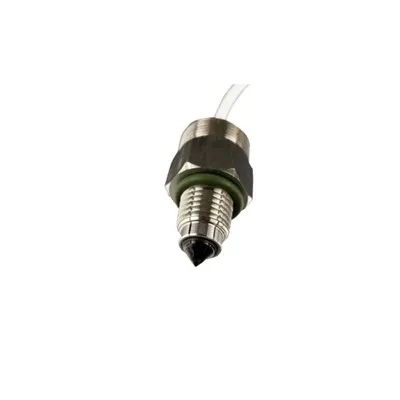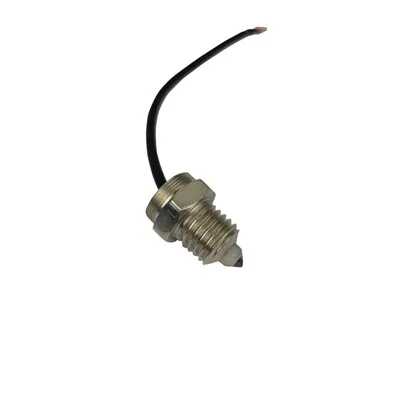
Tank Level Indicator no electricity required
Managing liquid storage safely doesn't require complex electrical wiring, expensive backup batteries, or a highly sensitive digital tank level sensor. Whether you live off the grid, manage agricultural resources, or oversee industrial fluids, a Tank Level Indicator (no electricity required) offers fail-safe reliability. A mechanical tank level indicator ensures you always know your exact liquid reserves, even during severe storms or prolonged grid failures. By eliminating reliance on power, these physical gauges provide absolute peace of mind, proving the simplest technological solutions are often the most effective.
How to Monitor Water Levels Without Power
Understanding how to monitor water levels without power is essential for self-reliance and off-grid living. While electronic smart systems are highly convenient, they inevitably fail when batteries die or local power grids go completely down. That is where a manual water tank level gauge for off-grid systems truly shines.
These purely mechanical devices rely on undeniable physics-buoyancy, gravity, and hydrostatic pressure-making them incredibly durable. Besides keeping you accurately informed about your daily water consumption, they are vital for preventing tank overflow without electronic sensors. Providing a clear visual cue of your liquid capacity allows you to manually shut off supply valves just in time, proactively protecting property from costly water spills.
Key Types of Non-Electric Tank Level Indicators
When thoroughly exploring non-powered measurement options, several distinct mechanical designs stand out. If you are wondering what is the most reliable non-electric float gauge, the definitive answer largely depends on your specific liquid type and surrounding environment.
Float and Vertical Pulley Systems
A standard water tank level indicator often uses a heavy internal float connected to an external counterweight via a durable cord. Reading a vertical pulley tank level system is remarkably effortless: as liquid inside the cistern drops, the exterior counterweight rises along a calibrated board, providing a completely clear visual representation of your remaining supply.
Sight Glass Gauges
For practical DIY solutions, installing a rainwater tank level sight glass is a highly rewarding project for homesteaders. Simply place a transparent tube on the outside of the water reservoir, connected to a specialized fitting near the bottom. The liquid naturally seeks its own level. While highly effective, always remember that clear sight tubes can gradually discolor due to UV exposure or freeze solid during harsh winter months if not adequately insulated.
Magnetic Level Indicators
For heavy-duty applications, magnetic gauges are an undeniably superb choice. The primary magnetic level indicator advantages over sight tubes include enhanced structural durability, the complete elimination of fragile glass, and exceptional resistance to intense internal pressures. The internal float contains a strong magnet that smoothly flips brightly colored metallic flags as liquid fluctuates, keeping the fluid entirely sealed inside the chamber.
Hydrostatic Head Pressure Systems
For larger commercial setups, hydrostatic head pressure measurement for storage tanks utilizes the physical, resting weight of the stored liquid to continuously push a sensitive dial gauge. This traditional engineering method offers incredibly precise volume readings based entirely on fluid density and overall depth, without ever needing electrical current.
Mechanical Float vs Ultrasonic Level Sensors
When directly weighing the long-term benefits of a mechanical float vs ultrasonic level sensors, the primary difference is baseline system complexity. Ultrasonic sensors actively bounce sound waves to accurately measure fluid depth but strictly require consistent electrical power. Conversely, mechanical floats offer brilliant fail-safe simplicity, making them ideal as maintenance-free gravity fed tank indicators for highly isolated properties.
Essential Applications Across Various Industries
Non-electric fluid gauges are incredibly versatile tools. Here is exactly how these manual devices are practically utilized across several highly demanding sectors:
Agriculture and Homesteading
Farmers naturally require rugged, highly dependable solutions. Utilizing a large outdoor water storage gauge for cattle troughs ensures grazing livestock never run dry, even in the most remote pastures. By using a highly visible, brightly colored float system, a busy rancher can effortlessly check trough water depths from hundreds of yards away, saving valuable daily transit time.
Fuel Storage and Emergency Preparedness
During community emergencies, knowing your backup generator's exact fuel capacity is absolutely crucial. Utilizing a specific gauge for remote fuel level monitoring for power outages ensures you are never caught unprepared. Furthermore, robust equipment for reliable fuel tank depth measurement for rural areas prevents unexpected, dangerous diesel shortages during harsh winters. Because stored liquid fuels are highly flammable, using non-sparking mechanical oil level gauges is a critical safety measure, completely eliminating the serious ignition risks naturally associated with frayed electrical wires.
Chemical and Industrial Storage
Safely storing aggressive chemical fluids requires highly specialized materials. A heavy-duty polyethylene liquid level indicator for chemical storage easily resists severe degradation and corrosion from harsh industrial acids and alkalis. These robust, non-electric options provide consistently safe, continuous visual monitoring in hazardous manufacturing environments without ever risking catastrophic electrical shorts.
Actionable Installation and Maintenance Tips
To get the best possible performance out of your non-electric gauges, follow these actionable guidelines:
Match the Material to the Liquid: Always use food-grade stainless steel floats for drinking water systems and heavy-duty polyethylene components for highly corrosive chemicals.
Prioritize Distant Visibility: If you routinely check fluid levels from afar, choose a vertical pulley system completely equipped with a large, high-contrast external indicator.
Thoroughly Winterize Your Gauges: If living in freezing climates, actively avoid externally exposed liquid sight glasses. Instead, proactively opt for internal mechanical floats that resist freezing year-round.
Keep the System Clean: Even rugged non-electric gauges need occasional, basic attention. Regularly wipe down external guide tubes and ensure all moving pulleys remain totally unhindered by blowing debris or dirt.
Conclusion
Equipping your fluid storage setup with a highly reliable measurement gauge does not mean relying on the fragile, unpredictable power grid. From effortlessly monitoring remote rural livestock troughs to safely securing critical backup generator fuel, a well-built non-electric system provides unmatched, long-lasting peace of mind. Selecting the right mechanical gauge guarantees continuous, safe, and incredibly accurate liquid management under any environmental condition.