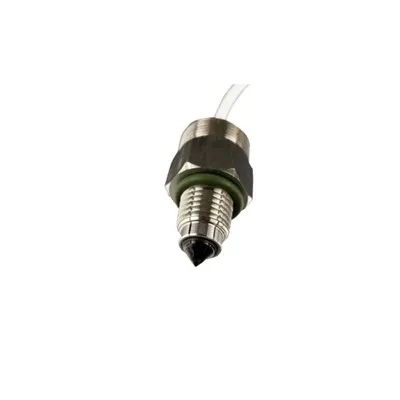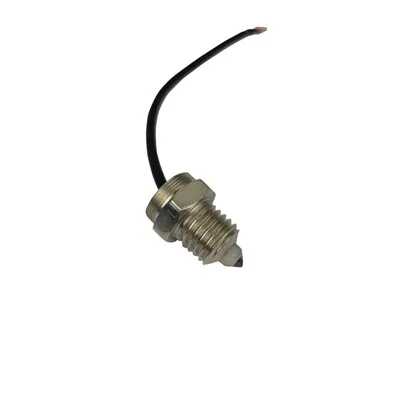
The Best Liquid Level Sensors for Corrosive Chemicals
Liquid level sensors for corrosive chemicals are never "one size fits all." Between fuming acids, hot caustics, vapor space corrosion, crystallizing salts, and aggressive cleaning cycles, the wrong instrument can fail fast-or worse, fail silently. This guide breaks down practical chemical tank level sensor selection for reliable liquid level monitoring in harsh service, with clear options for continuous measurement and point-level alarms.
Start with chemistry: compatibility and failure modes
Before comparing technologies, confirm wetted-material compatibility and the process conditions that typically kill sensors:
Chemical identity and concentration (e.g., 93–98% sulfuric behaves differently than dilute)
Temperature and pressure
Vapor space (acid mist, chlorine, HCl fumes)
Foam, agitation, and turbulence
Coating/fouling risk (polymerizing liquids, crystallization, sludge)
Tank geometry (nozzles, stilling wells, internals)
A level sensor material compatibility chart should drive every decision. For many acids and oxidizers, common stainless grades are not enough; you'll often need a corrosion resistant level transmitter with PTFE/PFA, high-alloy metals (e.g., Hastelloy), or ceramics-depending on chemical and temperature.
"Best" sensor types for corrosive tanks (what works and when)
1) Radar: the top choice for many corrosives (especially acids)
A radar level gauge for acids is often the best overall technology for continuous measurement because it's accurate, largely immune to vapor/temperature changes, and can be configured with minimal wetted exposure.
Best for:
Strong acids (including many acid level measurement sensor applications)
Tanks with vapors, temperature swings, or variable density
Where non-contact measurement is preferred
Key selection tips:
Choose non-contact radar where possible (antenna isolated from liquid via process seal/window).
For aggressive service, look for PTFE-faced antennas, PFA liners, or chemically resistant process seals.
If you're asking: what level sensor works with sulfuric acid In many plants, non-contact radar with a chemically compatible process seal is a go-to answer, especially for concentrated sulfuric where corrosion and vapor space issues are severe.
2) Guided wave radar (GWR): great accuracy, but manage coating risk
GWR uses a probe in the tank and can outperform in narrow nozzles or with agitation, but the probe is wetted-so materials and fouling matter.
Guided wave radar vs ultrasonic:
GWR is typically less affected by vapors and temperature than ultrasonic.
Ultrasonic is truly non-contact but can be more sensitive to vapors, foam, and condensation.
Best for:
Taller tanks needing stable accuracy
Sumps or smaller vessels where non-contact mounting isn't ideal
Watch-outs:
Sticky, coating liquids can cause false echoes-focus on preventing sensor fouling chemical tanks with proper probe choice and cleaning strategy.
3) Ultrasonic: non-contact, economical-if the vapor space cooperates
A non contact ultrasonic level sensor chemical setup can be a solid option when vapors are mild and foam/condensation are controlled.
Best for:
Mild corrosives, ambient temperatures
Applications where you want zero wetted parts
Avoid or test carefully for:
Heavy acid fumes, solvent vapors, steam, or thick condensation
Persistent foam or turbulence
4) Capacitance probes: simple and tough-when you can keep them clean
A capacitance level sensor for chemicals can work well in many corrosive liquids when paired with the right insulation (often PTFE/PFA) and stable dielectric conditions.
Best for:
Clean, consistent liquids
Point-level or continuous in some designs
Risks:
Coating changes capacitance-calibration drift is common in dirty service.
Requires disciplined maintenance if fouling is likely.
5) Hydrostatic (pressure) transmitters: excellent for caustics-if materials are right
For caustics and many corrosives, hydrostatic level is reliable-especially if you isolate the sensor with a chemical seal.
Best for:
Caustic soda level sensor applications (common in CIP, pulp/paper, water treatment)
Tanks with foam or heavy vapors where acoustic methods struggle
Material must-haves:
Chemical seal diaphragm and fill fluid compatible with the process
Consider remote seals to keep electronics away from corrosive vapor space
6) Point-level alarms: float switches are not your only option
If you're searching for float switch alternatives corrosive liquids, consider:
Vibrating fork point switches (often available with coatings/linings)
Capacitance point-level probes with PTFE insulation
Optical switches (check chemical compatibility carefully)
For aggressive acids/caustics, mechanical floats can suffer from swelling, sticking, and hinge corrosion-especially in vapor spaces.
Materials and construction that survive corrosive duty
When specifying a probe, seal, or wetted fitting, match materials to chemical and temperature-not just the liquid, but the vapor.
Common durability strategies include:
PTFE coated level probe designs to isolate metal from the chemical
PFA/ETFE linings for certain services
High alloys or titanium where polymers won't handle temperature/pressure
Ceramic sensing elements for certain abrasive/corrosive combinations
Also ensure the gaskets, O-rings, and cable jackets are compatible-small parts often fail first.
Quick "best choice" mapping (rule-of-thumb)
Use this as a starting point for how to choose level sensor for chemicals:
Strong acids with fumes (e.g., sulfuric, HCl): non-contact radar first; consider remote seals for hydrostatic as a secondary.
Caustic soda: hydrostatic with chemical seal, or radar if geometry allows.
Foamy or boiling tanks: radar or hydrostatic; ultrasonic often struggles.
Small tanks / narrow nozzles: guided wave radar.
Clean, stable liquids on a budget: ultrasonic (if vapors allow) or capacitance.
Installation: make the sensor last (not just read today)
Even the best transmitter fails if installed poorly. Here's how to install chemical level sensor hardware for longevity:
Mount away from fill streams and mixers to reduce turbulence and false readings.
Use a stilling well when surface conditions are chaotic (especially for radar/GWR).
Keep cable glands and junction boxes out of the corrosive vapor plume; use corrosion-resistant conduit and seals.
Provide drip shields and angled mounts to reduce condensation pooling on acoustic faces.
Add service valves/manifolds for hydrostatic setups so you can isolate and calibrate safely.
Preventing fouling and buildup
For preventing sensor fouling chemical tanks, build it into the design:
Choose non-contact radar when coating is likely.
If a probe is required, use smoother coatings (PTFE/PFA), minimize ledges, and specify clean-in-place compatibility.
Set maintenance intervals based on real deposit rate-not calendar guesses.
Final takeaway
The "best" liquid level sensors for corrosive chemicals are the ones that match your chemistry, vapor space, and fouling risk-then are installed to avoid turbulence and corrosion hotspots. In many harsh services, non-contact radar leads the pack; guided wave radar and hydrostatic with chemical seals are close contenders when geometry or process demands it. Validate with a level sensor material compatibility chart, plan for liquid level monitoring access and cleaning, and you'll get stable readings that hold up long after commissioning.
Estimated word count (article body): ~990 words.