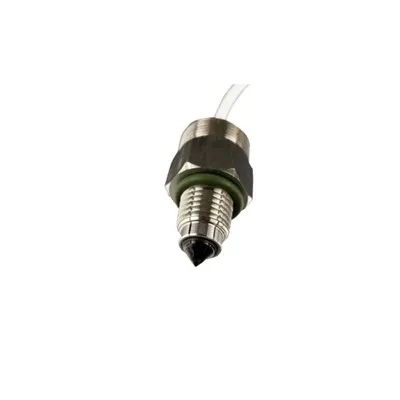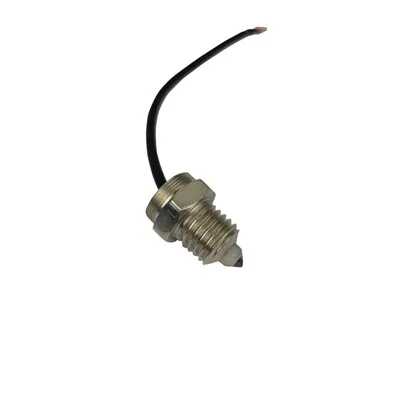
The Role of Level Sensors in Wastewater Treatment
Wastewater treatment depends on one simple but critical question: how much liquid, sludge, or chemical is present at any given moment?
From the moment wastewater enters a facility to the point treated effluent is discharged or reused, operators need accurate visibility into tank levels, flow conditions, storage capacity, and process stability. That is where level sensors play a central role. They help treatment plants operate safely, prevent overflows, protect equipment, reduce manual inspections, and support more efficient decision-making.
As facilities face increasing pressure to improve performance, reduce operating costs, and meet environmental requirements, level sensors in wastewater treatment have become essential components of modern automation and control systems.
Why Level Measurement Matters in Wastewater Treatment
Wastewater treatment plants handle constantly changing volumes. Rain events, industrial discharges, population demand, inflow and infiltration, and seasonal changes can all affect how much water enters the system. Without reliable level measurement, operators may not know when a tank is nearing capacity, when a pump should activate, or when a process is becoming unstable.
Accurate level monitoring supports several core goals:
Preventing tank overflows and sanitary sewer overflows
Protecting pumps from dry running or excessive cycling
Maintaining proper process balance in treatment basins
Improving chemical dosing accuracy
Supporting alarm systems and remote monitoring
Reducing the need for manual level checks
Helping operators respond quickly to abnormal conditions
In short, wastewater treatment sensors provide the data needed to keep complex treatment processes under control.
Where Level Sensors Are Used in Treatment Facilities
Level sensors can be found throughout a wastewater treatment operation. Each application has different conditions, risks, and measurement requirements.
Influent Channels and Wet Wells
Influent areas receive raw wastewater entering the plant or pump station. These environments can contain debris, grease, foam, grit, and rapidly changing water levels.
Level sensors are used here to control pumps, monitor incoming volume, and alert operators before high-level conditions become a flooding or overflow risk. In wet wells, accurate level data is especially important because pump start and stop points directly affect equipment life and energy use.
Equalization Tanks
Equalization tanks help smooth out variations in flow and pollutant loading. Level sensors help operators understand available storage capacity and manage flow into downstream processes.
When equalization is well controlled, biological treatment systems are less likely to experience shock loading. This can improve treatment stability and reduce process disruptions.
Primary and Secondary Clarifiers
Clarifiers separate solids from wastewater through settling. While blanket level sensors are often used to monitor sludge depth, liquid level measurement is also important for maintaining proper hydraulic conditions.
Reliable monitoring helps prevent operational issues such as short-circuiting, poor settling, solids carryover, or excessive sludge accumulation.
Aeration Basins and Biological Treatment Tanks
Biological treatment processes depend on stable conditions. Level monitoring helps maintain appropriate tank volumes and supports process control strategies.
In some systems, level data may be used alongside dissolved oxygen, pH, oxidation-reduction potential, and other wastewater treatment sensors to improve overall process visibility.
Sludge Holding and Digesters
Sludge applications can be difficult because the material may be thick, sticky, foamy, or uneven. Level sensors help operators manage storage, transfer, and digestion processes.
Inaccurate sludge level readings can lead to overfilling, inefficient hauling, odor problems, or equipment strain. For this reason, sensor selection is particularly important in sludge-related applications.
Chemical Storage Tanks
Treatment plants often use chemicals for disinfection, pH adjustment, phosphorus removal, odor control, and sludge conditioning. Level sensors help track chemical inventory and prevent tanks from running empty.
This improves operational reliability and helps maintenance teams plan refills before shortages interrupt treatment.
Final Effluent and Reuse Systems
At the end of the process, level measurement may be used in clear wells, discharge chambers, reuse storage tanks, or outfall structures. These measurements help confirm that treated water is moving as expected and that storage or discharge systems remain within operating limits.
Common Types of Level Sensors Used in Wastewater
Not every level sensor is suitable for every wastewater application. The right technology depends on the material being measured, tank design, environmental conditions, accuracy requirements, and maintenance expectations.
Ultrasonic Level Sensors
Ultrasonic sensors use sound waves to measure the distance between the sensor and the liquid surface. They are popular because they are non-contact, relatively easy to install, and suitable for many open tank applications.
However, foam, heavy vapors, turbulence, and condensation can sometimes affect performance. Proper mounting and configuration are important.
Radar Level Sensors
Radar sensors use microwave signals to measure level. Like ultrasonic sensors, many radar sensors are non-contact, but they are often better suited for challenging environments with vapors, temperature variation, or surface disturbance.
Radar is commonly used where reliability is critical or where ultrasonic measurement may be affected by environmental conditions.
Submersible Pressure Transducers
Submersible pressure sensors measure the pressure created by the height of liquid above the sensor. They are often installed directly in wet wells, tanks, or lift stations.
These sensors can provide accurate continuous measurement, but they must be compatible with the wastewater environment. Fouling, debris, and cable damage should be considered during installation and maintenance planning.
Float Switches
Float switches are simple devices that open or close a circuit when liquid reaches a certain point. They are often used for high-level alarms, low-level alarms, or pump control backup.
While floats are cost-effective and widely understood, they may be less suitable where grease, rags, or buildup can interfere with movement.
Capacitance and Conductive Sensors
These sensors detect level based on changes in electrical properties. They may be used in certain liquid or sludge applications, but performance depends heavily on the characteristics of the material being measured.
Because wastewater composition can vary, these technologies should be carefully matched to the application.
How Level Sensors Improve Wastewater Operations
The value of level sensors goes beyond simple measurement. When integrated with control systems, alarms, and data platforms, they become part of broader wastewater monitoring solutions.
Better Pump Control
Pumps are among the most important and energy-intensive assets in wastewater systems. Level sensors help automate pump operation by triggering start and stop points based on real-time conditions.
This can reduce unnecessary cycling, prevent dry-run damage, and support more consistent flow management.
Overflow Prevention
High-level alarms give operators early warning before tanks or wet wells reach dangerous conditions. In collection systems and treatment plants, this can help prevent environmental releases, property damage, and regulatory issues.
Reduced Manual Inspections
Manual level checks can be time-consuming and potentially hazardous, especially in confined spaces or remote pump stations. Automated level monitoring reduces the need for frequent site visits while giving operators better visibility.
Improved Process Stability
Consistent level data helps operators maintain proper retention times, balance flows, and avoid sudden process changes. This is especially important in biological treatment, where stable conditions support healthy microbial activity.
Smarter Maintenance Planning
Level trends can reveal operational patterns. For example, unusual wet well behavior may indicate pump wear, blockage, infiltration, or control issues. Over time, this data can help maintenance teams move from reactive repairs toward more proactive planning.
Key Selection Factors for Wastewater Level Sensors
Choosing the right sensor requires more than comparing product specifications. Wastewater environments are demanding, and a sensor that works well in clean water may not perform reliably in raw sewage, sludge, or chemical tanks.
Important factors include:
Media type: Raw wastewater, treated water, sludge, chemicals, and stormwater each present different challenges.
Contact or non-contact measurement: Non-contact sensors reduce fouling risk, while contact sensors may be better suited for certain tank designs.
Foam and turbulence: Surface conditions can affect some measurement technologies.
Temperature and humidity: Condensation, vapors, and outdoor exposure should be considered.
Tank geometry: Obstructions, narrow wells, stilling tubes, and irregular surfaces can affect readings.
Accuracy needs: Pump control may require different accuracy than inventory tracking or process control.
Maintenance access: Sensors in difficult-to-reach areas should be selected for durability and ease of service.
Integration requirements: Compatibility with SCADA, PLCs, telemetry, alarms, and data logging platforms is essential.
Integration With Monitoring and Control Systems
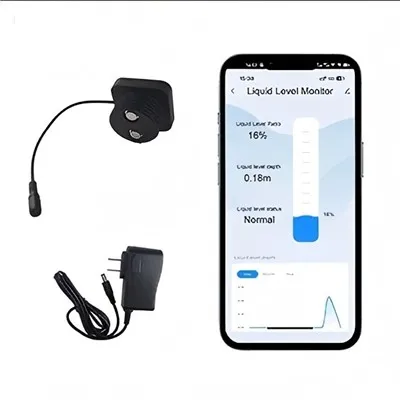
Modern wastewater monitoring solutions often combine level sensors with communication networks, control panels, cloud dashboards, and alarm notifications. This allows operators to monitor remote sites, analyze trends, and respond quickly to changing conditions.
A well-integrated system may provide:
Real-time level readings
Pump status and runtime data
High-level and low-level alarms
Historical trend graphs
Remote alerts by text, email, or dashboard
Support for reporting and operational analysis
The goal is not just to collect data, but to make that data useful. Clear dashboards, reliable alarms, and well-configured control logic can turn sensor readings into practical operational intelligence.
Maintenance and Reliability Best Practices
Even the best sensor needs proper installation and maintenance. Wastewater environments can cause fouling, corrosion, vibration, and signal interference if sensors are not correctly applied.
Best practices include:
Install sensors where turbulence, splashing, and obstructions are minimized.
Use protective housings or mounting hardware suited to the environment.
Keep sensor faces, diaphragms, or floats clean according to manufacturer guidance.
Verify readings periodically against known levels or manual checks.
Configure alarms with appropriate delays to reduce nuisance alerts.
Maintain spare parts for critical applications.
Review trend data to identify abnormal sensor behavior.
Preventive maintenance helps ensure that level sensors continue to provide trustworthy data when operators need it most.
The Future of Level Monitoring in Wastewater
As treatment systems become more connected, level sensors will continue to support smarter operations. Facilities are increasingly using sensor data for predictive maintenance, energy optimization, remote asset management, and advanced process control.
The most effective approach is not simply adding more sensors. It is choosing the right wastewater treatment sensors, installing them correctly, and integrating them into systems that help operators make better decisions.
Final Thoughts
Level sensors are fundamental to safe, efficient, and reliable wastewater treatment. They help facilities manage flow, protect equipment, prevent overflows, monitor chemicals, and maintain process stability.
Whether used in wet wells, clarifiers, sludge tanks, chemical storage, or final effluent systems, level sensors in wastewater treatment provide the real-time visibility that modern operations require. When paired with effective wastewater monitoring solutions, they become a powerful tool for improving performance, reducing risk, and supporting long-term infrastructure resilience.