Understanding Water Level Meters: A Comprehensive Guide
Reliable Water Level Measurement for Smarter Monitoring
When you need accurate insight into tanks, wells, reservoirs, sumps, ponds, or industrial systems, Water Level Meters provide a dependable way to measure and monitor water depth. Whether you manage groundwater testing, facility maintenance, environmental monitoring, agricultural storage, or municipal infrastructure, the right meter helps reduce guesswork, improve safety, and support better decision-making.
Our water level measurement solutions are designed for teams that need practical, field-ready tools for water level detection. From simple manual readings to advanced systems that integrate with water level sensors, these meters help you understand exactly where your water level stands, so you can act with confidence.
Why Water Level Meters Matter
Water levels can change quickly due to rainfall, pumping, leaks, evaporation, seasonal shifts, or operational demand. Without a reliable measurement method, small changes can go unnoticed until they become costly problems.
A quality water level meter helps you:
Monitor groundwater levels in wells and boreholes
Check tank levels before overflow or dry-run conditions occur
Support environmental sampling and site assessments
Track water movement in construction, mining, or remediation projects
Improve maintenance planning for pumps and storage systems
Verify readings from installed water level sensors
Document level changes for compliance, reporting, or internal records
For many US businesses, municipalities, contractors, and landowners, water level measurement is not just a technical task. It is part of protecting equipment, managing resources, and meeting operational expectations.
Built for Accurate Water Level Detection
Effective water level detection depends on clarity, consistency, and the right measurement approach. Water level meters are commonly used when a technician needs a direct reading from the field. In many applications, the meter is lowered into a well, tank, or access point until it contacts the water surface and provides an indication.
Depending on the model and application, water level meters may use electronic probes, audible signals, visual indicators, marked cables, or sensor-based detection. This makes them useful in a wide range of settings, including:
Groundwater monitoring wells
Observation boreholes
Water storage tanks
Utility vaults
Stormwater systems
Irrigation reservoirs
Pump stations
Industrial process areas
Environmental remediation sites
The result is straightforward: faster readings, less uncertainty, and better control over your water management process.
Key Features to Look For
Choosing the right meter starts with understanding how and where it will be used. While product specifications vary by model, dependable Water Level Meters often include features such as:
Clear measurement markings for easy depth readings
Durable cable or tape construction for repeated field use
Sensitive probe design for reliable contact detection
Audible and/or visual alerts when water is reached
Portable reel systems for easier transport and storage
Rugged housing suitable for outdoor and jobsite conditions
Compatibility with common monitoring wells or access points
Simple operation for technicians, inspectors, and maintenance teams
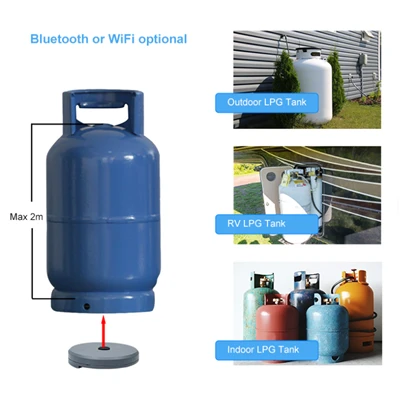
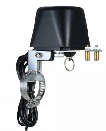
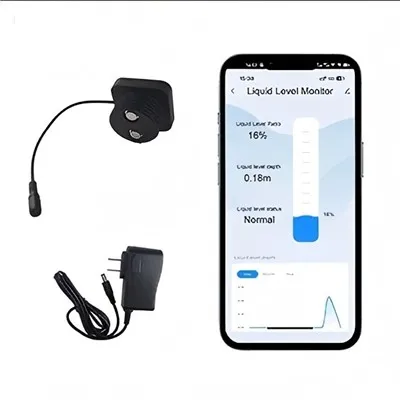
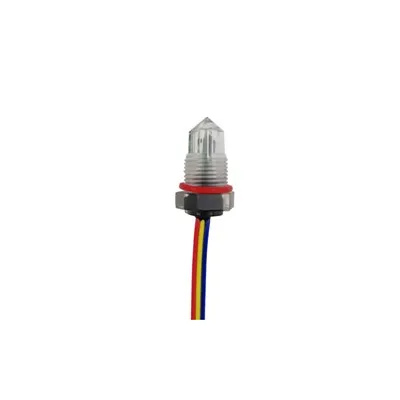
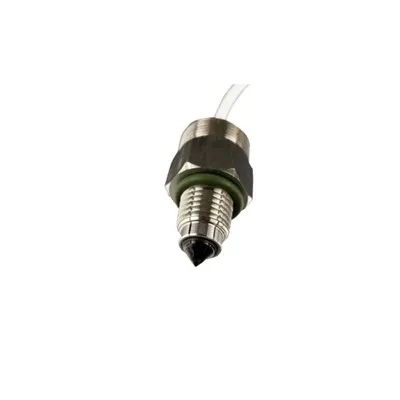
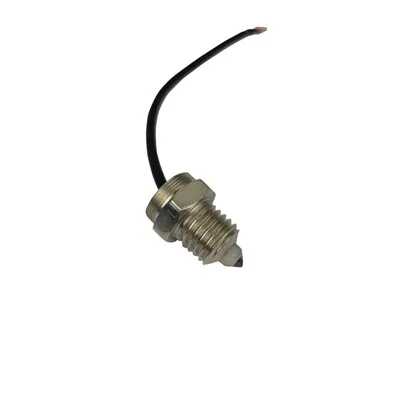
For automated systems, integrated water level sensors may be used to provide continuous readings, remote monitoring, or data logging. Manual meters and sensor-based systems can also work together, giving teams both real-time data and field verification when needed.
Benefits for Field Teams and Facility Managers
The best water level measurement tools are not just accurate. They are easy to use, durable, and efficient. That matters when technicians are collecting multiple readings in one day or working in demanding conditions.
Improve measurement confidence
A reliable meter helps reduce uncertainty by giving users a direct way to identify the water surface. This is especially important when working in deep wells, narrow access points, or locations where visual inspection is not possible.
Save time during inspections
Fast setup, clear indicators, and easy-to-read markings can help teams complete routine measurements more efficiently. For companies managing many sites, those time savings can add up.
Protect pumps and equipment
Knowing water levels can help prevent dry-running pumps, overfilling tanks, or operating systems outside of safe ranges. Better monitoring supports longer equipment life and fewer unexpected service calls.
Support documentation and reporting
Water level data is often needed for environmental records, compliance reports, construction documentation, or maintenance logs. Accurate readings make it easier to build consistent records over time.
Adapt to multiple applications
From a private well to an industrial facility, Water Level Meters can be used in many environments. This flexibility makes them a practical investment for contractors, utilities, environmental consultants, agricultural operations, and property managers.
Manual Meters and Water Level Sensors
Water level measurement can be handled in more than one way. In some cases, a manual meter is the best choice because it is portable, simple, and ideal for spot checks. In other cases, installed water level sensors are preferred because they can monitor changes continuously.
Manual Water Level Meters are often used for:
Periodic well checks
Site visits and inspections
Groundwater studies
Pump testing
Backup verification of automated data
Water level sensors are often used for:
Continuous tank monitoring
Remote site management
Pump control systems
Flood warning applications
Industrial automation
Data logging and trend analysis
Many operations benefit from using both. Sensors provide ongoing visibility, while portable meters allow field teams to confirm readings and perform independent checks.
Practical Applications Across the US
Water level measurement needs vary widely across the United States. In agricultural regions, monitoring storage tanks and wells can help support irrigation planning. In coastal and flood-prone areas, reliable water level detection can assist with stormwater and drainage management. In industrial and municipal settings, water level data supports system performance, safety, and maintenance.
Common users include:
Environmental consultants
Water resource managers
Municipal utility teams
Well drillers and pump contractors
Facility maintenance departments
Construction and civil engineering firms
Agricultural operators
Mining and remediation professionals
Industrial plant managers
No matter the industry, the goal is the same: get accurate information quickly, then use it to make better operational decisions.
Choosing the Right Water Level Meter
Before selecting a meter, consider your measurement environment and workflow. A basic tool may be enough for occasional checks, while a more rugged or sensor-integrated solution may be better for frequent field use or harsh conditions.
Important questions to ask include:
Where will the meter be used? Wells, tanks, reservoirs, vaults, and boreholes may each require different cable lengths, probe sizes, or durability levels.
How often will measurements be taken? Occasional use may call for a simple portable unit, while daily or weekly monitoring may justify a more robust setup.
Do you need manual readings or continuous monitoring? Manual meters work well for spot checks. Water level sensors are better suited for ongoing tracking and automation.
What level of durability is required? Outdoor, industrial, and construction environments often require rugged materials and easy-clean designs.
Will readings need to be recorded or shared? If documentation is important, consider how readings will be logged, verified, and reported.
Designed for Dependable Performance
A well-chosen water level meter should feel practical from the first use. It should be easy to carry, simple to deploy, and clear to read. The best systems help users work efficiently without adding unnecessary complexity.
Depending on your needs, available options may include compact meters for light-duty measurement, longer-range meters for deeper wells, or sensor-based systems for continuous water level detection. Because every site is different, the ideal solution should match your application rather than force you into a one-size-fits-all approach.
Pricing and Ordering
Water level meter pricing can vary based on measurement range, construction materials, cable length, sensor capability, data features, and intended use. Entry-level options may be appropriate for basic manual checks, while more advanced systems with integrated water level sensors may require a higher investment.
For the most accurate pricing, choose the configuration that fits your site requirements, measurement depth, and monitoring goals. If you are unsure which option is right for your application, request guidance before ordering.
Get the Right Water Level Measurement Solution
Accurate water level data starts with the right equipment. Whether you need a portable field meter, a dependable tool for groundwater monitoring, or a sensor-supported system for ongoing water level detection, our solutions help you measure with confidence.
Ready to improve your monitoring process? Contact us today to discuss your application, compare available Water Level Meters, and find the right option for your site.