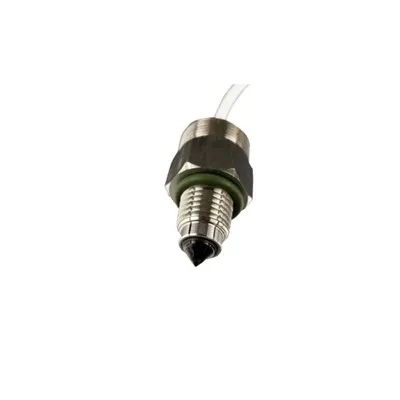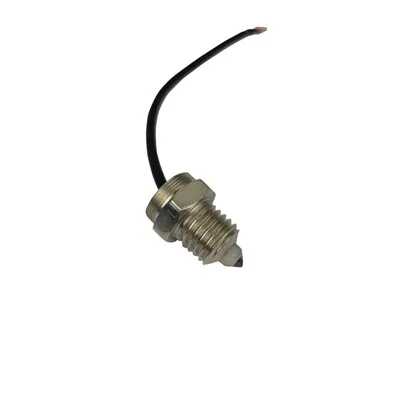
What are the advantages of a water level indicator
When a water tank runs dry, daily routines stop almost instantly. When it overflows, water is wasted, energy is lost, and surrounding areas can be damaged. A water level indicator helps prevent both problems by showing how much water is available in a tank, reservoir, sump, or storage system.
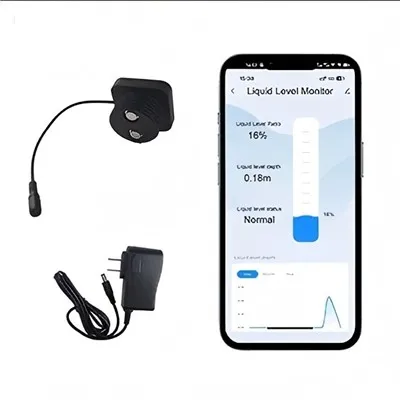
In simple terms, a water level indicator is a device that monitors the level of water and communicates that level to the user. Depending on the system, it may use lights, alarms, digital displays, sensors, or automation controls. Some models simply show whether the tank is low, half-full, or full, while more advanced systems can trigger a pump, send alerts, or integrate with smart home and industrial monitoring systems.
Below is a practical, SERP-aligned explanation of the main advantages of water level indicator systems, how they work, where they are used, and what to consider before choosing one.
Why Water Level Indicators Matter
Water storage is common in homes, apartments, farms, commercial buildings, factories, and public facilities. In many places, tanks are used because the water supply may be intermittent, pressure may vary, or water must be stored for later use.
Without a level indicator, people often rely on guesswork. They may climb up to inspect the tank, tap the side, wait for overflow, or only notice the issue when taps stop running. These methods are inconvenient, inaccurate, and sometimes unsafe.
A water level indicator solves this by providing a clear signal of the tank's condition. It gives users more control over water usage and helps avoid unnecessary waste.
Key Advantages of a Water Level Indicator
1. Prevents Water Overflow
One of the biggest water level indicator advantages is overflow prevention. When a tank fills beyond its capacity, water spills out and is wasted. In overhead tanks, overflow can damage roofs, walls, ceilings, and nearby electrical fittings. In industrial settings, overflow may affect equipment, floors, storage areas, and operational safety.
A water level indicator alerts users before the tank reaches the overflow point. In automated systems, the indicator may be connected to a controller that switches off the pump when the tank is full. This reduces the need for constant supervision and helps conserve water.
2. Prevents Dry Running of Pumps
Pumps can be damaged when they run without enough water. This is often called dry running. If a pump continues operating when the source tank, sump, or well is empty, it may overheat or suffer mechanical wear.
A water level indicator helps detect low water conditions early. Some systems can automatically stop the pump when water drops below a safe level. This protects the pump, reduces repair costs, and extends equipment life.
3. Saves Water
Water conservation is one of the most important advantages of water level indicator systems. Overflow, leakage, and poor monitoring can waste large amounts of water over time. Even small, repeated overflows add up.
By showing the actual level of water, the system encourages better usage. Users can avoid unnecessary refilling, respond faster to leaks, and manage water more responsibly. In homes, this can reduce day-to-day wastage. In larger facilities, it can support broader water management goals.
4. Reduces Electricity Consumption
Many water tanks are filled using electric pumps. If the pump runs longer than necessary, it consumes extra electricity. In manual systems, users may forget to switch off the pump once the tank is full. This wastes energy and increases utility costs.
A water level indicator, especially one connected to an automatic pump controller, helps ensure the pump runs only when needed. It can turn on when the level is low and turn off when the tank is full. Over time, this can contribute to energy savings and more efficient operation.
5. Improves Convenience
Manually checking water levels can be inconvenient, especially when tanks are placed on rooftops, in basements, underground, or in hard-to-reach areas. A level indicator allows users to check the tank status from a more accessible locati0n.
For homes, this may mean viewing the water level from a wall-mounted panel. For commercial properties, it may mean checking levels from a control room. For smart systems, it may even mean receiving alerts on a mobile device.
This convenience is one of the reasons water level indicators are popular in residential buildings, schools, offices, hotels, and industrial sites.
6. Enhances Safety
Climbing ladders or rooftops to inspect water tanks can be risky. Wet surfaces, poor lighting, and difficult access can increase the chance of falls or injuries.
A water level indicator reduces the need for physical inspection. Users can monitor the tank from a safe locati0n. This is especially useful for elderly residents, maintenance staff, or facilities with multiple tanks.
Safety is also improved when the system prevents overflow near electrical installations or machinery.
7. Supports Better Water Management
A water level indicator provides useful information for planning. When users know how quickly water is being consumed, they can adjust refilling schedules, detect unusual usage patterns, and prepare for supply interruptions.
For example, if a household notices the tank level dropping faster than normal, it may indicate increased consumption or a possible leak. In agriculture, water level monitoring can help manage irrigation storage. In commercial facilities, it can support maintenance planning and resource tracking.
8. Reduces Manual Supervision
Without an indicator, someone often has to watch the tank while it fills. This is time-consuming and easy to forget. A person may turn on the pump, get distracted, and return only after water has overflowed.
A water level indicator reduces this dependency. Basic systems provide alerts, while automatic systems manage pump operation. This makes the process more reliable and reduces the need for constant attention.
9. Helps Avoid Water Shortages
Running out of water can be frustrating and disruptive. In homes, it affects bathing, cooking, cleaning, and washing. In businesses, it may interrupt operations, hygiene routines, or customer service.
A water level indicator warns users when the tank is low. This gives them time to refill before the supply is completely exhausted. In areas with irregular municipal water supply, this early warning can be especially useful.
10. Suitable for Many Applications
Water level indicators are flexible and can be used in many settings, including:
Overhead water tanks
Underground water tanks
Sumps and reservoirs
Borewell or well storage systems
Apartment and housing society tanks
Farms and irrigation systems
Industrial process tanks
Commercial buildings and institutions
Because different systems are available, users can choose a simple indicator for basic monitoring or a more advanced automated solution for complex applications.
How a Water Level Indicator Works
The working principle depends on the type of system, but most water level indicators use sensors or probes to detect the presence or height of water. These sensors send signals to a display, alarm, or control unit.
Common types include:
Probe-based indicators: Use conductive probes placed at different levels in the tank.
Float-based indicators: Use a floating mechanism that moves with the water level.
Ultrasonic indicators: Use sound waves to measure distance from the sensor to the water surface.
Pressure-based indicators: Estimate water level based on pressure at a certain point.
Smart indicators: Combine sensors with digital displays, alerts, or automation features.
The best type depends on the tank design, water quality, budget, and required level of accuracy.
Advantages and Disadvantages of Water Level Indicator Systems
While the benefits are clear, it is also helpful to understand the advantages and disadvantages of water level indicator systems before installing one.
The main advantages include water saving, pump protection, convenience, safety, energy efficiency, and better control. These benefits make the device valuable for both small and large water storage systems.
However, there are also a few limitations. Some systems require proper installation to work accurately. Probe-based systems may need periodic cleaning if water contains minerals or impurities. Advanced digital or automated systems may cost more than basic models. Like any electrical or electronic device, components may need maintenance or replacement over time.
In most cases, the advantages outweigh the disadvantages, especially where water wastage, pump damage, or manual monitoring are common problems.
What to Consider Before Choosing a Water Level Indicator
Before selecting a system, consider the following factors:
Tank type and size: A small household tank may need only a basic indicator, while a large building may need a more advanced system.
Installation locati0n: Outdoor, underground, and rooftop tanks may require different sensor types and protection levels.
Manual or automatic control: Decide whether you only need level display alerts or automatic pump control.
Power source: Some systems require electrical power, while others may use batteries or low-voltage circuits.
Water quality: Hard water or dirty water may affect certain sensor types.
Maintenance needs: Choose a system that is easy to inspect, clean, and repair.
Budget: Compare long-term savings from reduced water waste and pump protection, not just the upfront cost.
Is a Water Level Indicator Worth It?
For most homes, buildings, and facilities with water storage tanks, a water level indicator is worth considering. It offers a simple way to reduce water waste, protect pumps, save time, and improve daily convenience.
The value is even greater in places where tanks are difficult to access, water supply is irregular, or pumps are used frequently. A basic indicator can solve common monitoring problems, while an automated system can provide greater efficiency and peace of mind.
Final Thoughts
The main advantages of water level indicator systems include preventing overflow, avoiding dry pump operation, conserving water, reducing electricity use, improving safety, and making water management more convenient. Whether used in a home, apartment, farm, office, or industrial facility, the device provides better visibility and control over stored water.
By choosing the right type of indicator and maintaining it properly, users can reduce waste, protect equipment, and ensure a more reliable water supply.