Understanding Light Sensors: Types and Applications
A light sensor is an electronic component that detects light and converts it into an electrical signal. In simple terms, it helps a device "see" brightness, darkness, color, or changes in light levels. Light sensors are used in everyday products such as smartphones, automatic lamps, security systems, vehicles, cameras, and industrial equipment.
If you've ever wondered, "What is a light sensor?", the easiest answer is this: it is a sensor that measures light so a device can respond automatically. For example, a phone may dim its screen in a dark room, a streetlight may turn on at sunset, or a motion-activated outdoor light may switch on when someone walks by.
How Does a Light Sensor Work?
Most light sensors work by detecting photons, which are tiny particles of light. When light reaches the sensor, the sensor changes that light energy into an electrical response. The connected device then uses that signal to make a decision.
For example:
If the sensor detects low light, a lamp may turn on.
If it detects bright sunlight, a display may reduce brightness.
If a beam of light is interrupted, a machine may stop for safety.
If a specific color or wavelength is detected, a system may sort or inspect materials.
The exact process depends on the type of light sensor being used.
Common Types of Light Sensors
Photoresistors
A photoresistor, also called an LDR or light-dependent resistor, changes resistance based on light intensity. In brighter conditions, its resistance typically decreases. These sensors are common in basic automatic lighting systems, night lights, and hobby electronics.
Photodiodes
A photodiode converts light directly into electrical current. It responds quickly and is often used in remote controls, optical communication, barcode scanners, medical devices, and industrial detection systems.
Phototransistors
A phototransistor is similar to a photodiode but usually provides stronger signal amplification. It is useful where a more sensitive light response is needed, such as object detection, counting systems, and light beam interruption sensors.
Ambient Light Sensors
Ambient light sensors measure the amount of surrounding light. These are often found in smartphones, tablets, laptops, TVs, and smart home devices. They help adjust screen brightness, save energy, and improve user comfort.
Color Sensors
Color sensors detect specific colors or wavelengths of light. They are used in quality control, printing, robotics, agriculture, and product sorting applications.
What Is a Sensor Light?
A sensor light is a lighting fixture that turns on or adjusts automatically based on sensor input. Many people use the phrase "what is a sensor light" when referring to outdoor security lights, hallway lights, garage lights, or smart lighting products.
A sensor light may use different sensing technologies, including:
Light sensors that detect darkness or daylight
Motion sensors that detect movement
Occupancy sensors that detect people in a space
Combination sensors that respond to both motion and ambient light
For example, an outdoor sensor light may stay off during the day, detect darkness at night, and then turn on when motion is detected.
What Is a Light Cup Sensor?
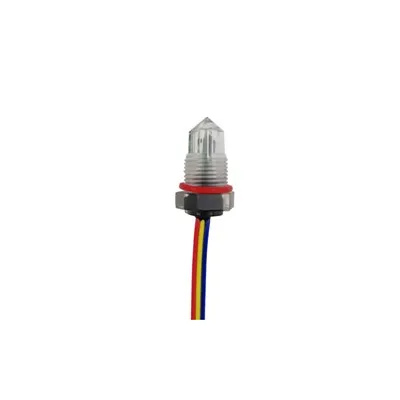
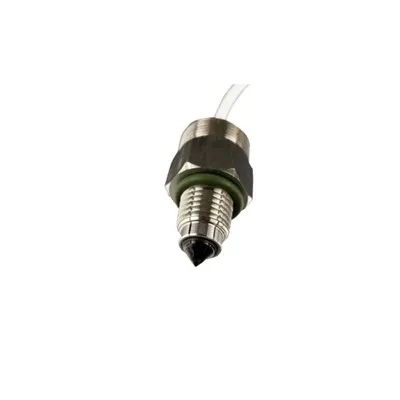
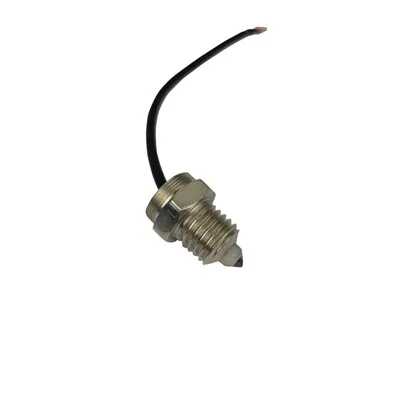
The phrase "what is a light cup sensor" may refer to a light-based sensor used in a cup, container, dispenser, or liquid-detection system. In many applications, a light emitter and receiver are positioned to detect whether an object, cup, or liquid is present.
For instance, a beverage machine might use a light sensor to confirm that a cup is in place before dispensing liquid. Similar sensors can help detect fill levels, object placement, or interruptions in a light beam. Because terminology can vary by manufacturer, it is best to check the product documentation when evaluating a specific light cup sensor.
Everyday Applications of Light Sensors
Light sensors are used across consumer, commercial, and industrial environments. Common applications include:
Automatic streetlights and outdoor lamps
Smartphone screen brightness adjustment
Security and motion-activated lighting
Solar garden lights
Smart home lighting systems
Cameras and exposure control
Barcode and QR code scanners
Industrial automation and object detection
Automotive headlights and dashboard displays
Medical and laboratory equipment
These applications improve convenience, safety, energy efficiency, and automation.
Benefits of Using Light Sensors
Light sensors are valuable because they allow devices to respond without manual control. Key benefits include:
Energy savings: Lights and displays operate only when needed.
Convenience: Devices adjust automatically to changing conditions.
Safety: Sensors can detect objects, movement, or blocked light paths.
Accuracy: Systems can measure brightness, color, or presence consistently.
Automation: Machines and smart devices can make faster decisions.
Choosing the Right Light Sensor
The best light sensor depends on the application. Consider what you need to detect, how quickly the sensor must respond, the surrounding environment, the required sensitivity, and whether the system needs to measure brightness, color, object presence, or simple light changes.
For basic daylight detection, a photoresistor may be enough. For fast optical detection, a photodiode or phototransistor may be better. For smart electronics, an ambient light sensor is often the right choice.
Final Thoughts
A light sensor is a practical technology that helps devices detect and respond to light. From sensor lights around the home to advanced industrial systems, these components make electronics smarter, safer, and more efficient. Understanding the main types and applications makes it easier to choose the right sensor for a specific project or product.