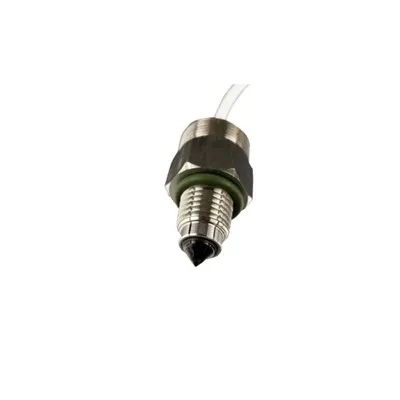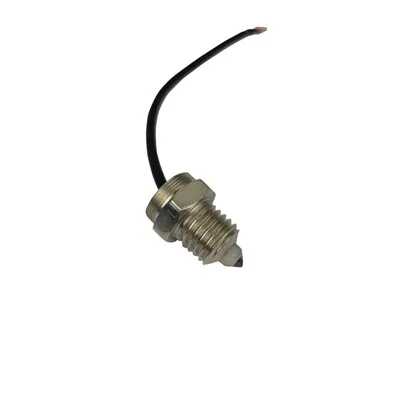
What Is an Electrical Water Level Sensor
Accurate Liquid Level Detection for Smarter Water Management
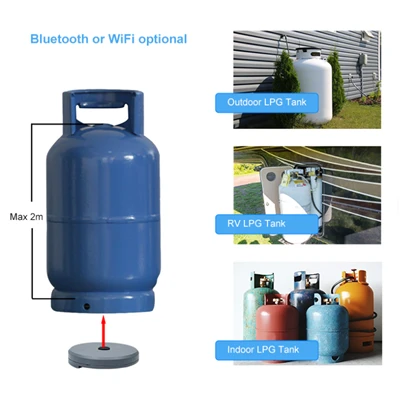
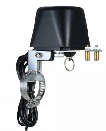
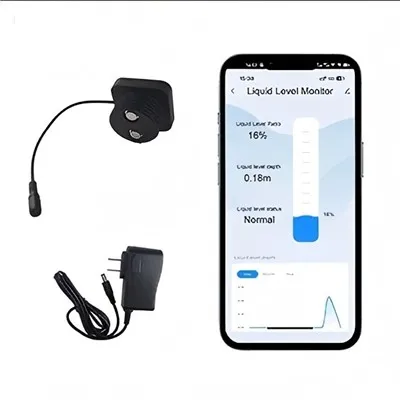
An electrical water level sensor is a device that detects, monitors, and reports the level of water in a tank, reservoir, pipe, sump, or industrial container. It converts the presence or height of water into an electrical signal that can be used by a controller, alarm, pump, display, or automation system.
If you need a dependable water level sensor for monitoring fill levels, preventing overflow, protecting pumps from dry running, or automating water systems, an electrical sensing solution offers a practical and efficient way to keep operations under control.
How an Electrical Water Level Sensor Works
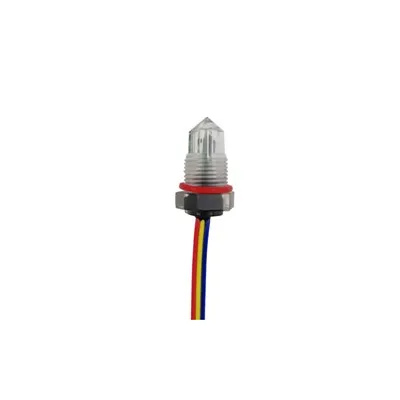
A typical electrical water level sensor uses probes, electrodes, floats, pressure sensing, ultrasonic signals, or capacitive technology to detect water level changes. When the water reaches a set point or moves within a measurement range, the sensor sends an electrical output to connected equipment.
Depending on the model, this output may be used to:
Trigger a high-level or low-level alarm
Start or stop a pump
Send data to a control panel
Display the current liquid level
Support automated filling or draining
Help prevent leaks, flooding, or equipment damage
This makes it suitable for both simple on/off detection and more advanced continuous level monitoring.
Key Benefits
Choosing the right liquid level sensor can improve safety, reduce waste, and make water-handling systems easier to manage. Common benefits include:
Reliable level monitoring: Detects water levels without constant manual checking.
Pump protection: Helps prevent dry running, which can damage pumps and increase maintenance costs.
Overflow prevention: Alerts users or shuts systems down before tanks overfill.
Automation ready: Connects with relays, PLCs, controllers, alarms, and monitoring systems.
Versatile installation: Can be used in tanks, sumps, reservoirs, boilers, irrigation systems, and water treatment setups.
Efficient operation: Supports smarter use of water, energy, and equipment.
Product Features to Look For
When selecting an electrical water level sensor, consider the needs of your application. Important features may include:
Suitable sensing technology for your liquid and tank type
High-level, low-level, or continuous measurement capability
Compatible electrical output for your control system
Corrosion-resistant materials for long service life
Easy installation and maintenance
Stable performance in humid or wet environments
Options for alarms, displays, or automation integration
For clean water, wastewater, chemical storage, or industrial process applications, selecting the correct sensor type is essential for dependable performance.
Common Applications
A water level sensor is widely used in residential, commercial, agricultural, and industrial systems, including:
Water storage tanks
Sump pumps and drainage pits
Rainwater harvesting systems
Irrigation and livestock watering systems
Cooling towers and boilers
Wastewater and treatment tanks
Industrial liquid storage
Flood detection and leak prevention systems
Pricing and Availability
Pricing for an electrical water level sensor depends on the sensing technology, materials, measurement range, output type, and application requirements. Basic point-level sensors are typically used for simple alarms or pump control, while advanced continuous level sensors are designed for more detailed monitoring and system integration.
For the best fit, choose a sensor based on your tank size, liquid type, installation environment, and control requirements.
Find the Right Water Level Sensor
Need help choosing the right liquid level sensor for your system? Compare your application needs, required output, and installation conditions before selecting a model. A properly matched electrical water level sensor can improve reliability, reduce downtime, and give you better control over your water management process.
Request product details, compare available options, or contact a specialist to find the best water level sensor for your application.