What is an optoelectronic sensor and how does it work
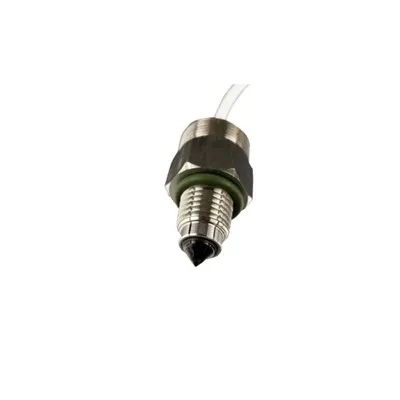
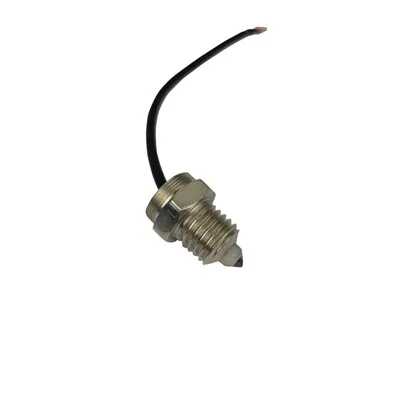
Optoelectronic devices quietly power many "see-and-react" features in modern machines-from counting bottles on a conveyor to dimming your phone screen. If you're asking "What is an optoelectronic sensor and how does it work?", the simplest optoelectronic sensor definition is: a device that emits, receives, or measures light and converts that optical change into an electrical signal for detection, measurement, or control. These light sensors (also called optical sensors) are widely used because they're fast, non-contact, and precise.
What is an optoelectronic sensor?
An optoelectronic sensor combines:
A light source (often an LED or laser)
A light-sensitive receiver (typically a photodiode or phototransistor)
Signal conditioning electronics (to output ON/OFF, analog, or digital data)
Think of ambient light sensor basics: your device measures surrounding brightness and adjusts display backlight. That's the same core idea-light in, electrical signal out.
Optoelectronic sensor working principle (how photoelectric sensors work)
The optoelectronic sensor working principle is detecting a change in received light intensity, timing, or wavelength. Many industrial setups are based on an infrared sensor emitter receiver pair: the emitter sends IR light; the receiver confirms whether the beam is present, blocked, or reflected.
Reflective vs through beam sensor
Two common architectures explain most applications:
Through-beam: emitter and receiver face each other; an object breaks the beam (reflective vs through beam sensor comparison usually favors through-beam for reliability and long range).
Reflective (diffuse or retroreflective): emitter and receiver are in one housing; the object (or reflector) returns light.
These designs are also used as an optical proximity sensor applications family for presence detection.
Photodiode vs phototransistor
Choosing a receiver matters:
Photodiode vs phototransistor: photodiodes are faster and more linear (great for measurement), while phototransistors offer higher gain/sensitivity (useful for simple switching) but are typically slower.
Optoelectronic sensor advantages and limitations
Optoelectronic sensor advantages include:
Non-contact sensing (no wear)
High switching speed
Works with many materials (not just metal)
Common optoelectronic sensor limitations:
Performance can drop with dust, fog, oily films, or shiny surfaces
Ambient light or reflections can cause errors
Practical setup: wiring, alignment, and troubleshooting
For installers, the two biggest wins are correct wiring and stable optics:
How to wire a photoelectric sensor: verify supply voltage, confirm PNP/NPN output type, and use a clean ground reference; route sensor cable away from motor noise.
Photoelectric sensor alignment tips: align through-beam by maximizing received signal, lock mounts, then test with real targets at real speed.
Troubleshooting photoelectric sensor false triggers: reduce gain/sensitivity, add background suppression, shield from sunlight, clean lenses, and reposition to avoid specular reflections.
Optoelectronic sensor vs inductive sensor (which to use?)
An optoelectronic sensor vs inductive sensor decision often comes down to material and environment: inductive is rugged but detects only metal; optoelectronic detects almost anything but needs a clear optical path. For "best optoelectronic sensors for automation," prioritize the sensing mode (through-beam, reflective), IP rating, and background suppression for your line.
Takeaway
An optoelectronic sensor turns light changes into useful electrical signals-whether for ambient light sensor basics or factory detection. Pick the right geometry, match the receiver type, and focus on wiring, alignment, and contamination control for dependable results.
Estimated word count (body): ~495 words.