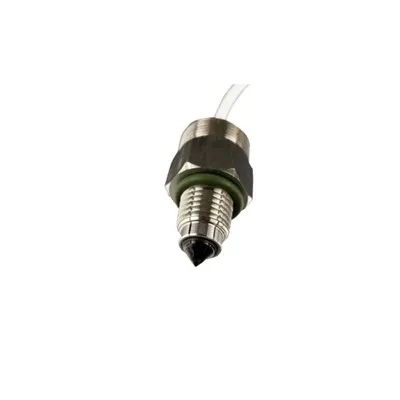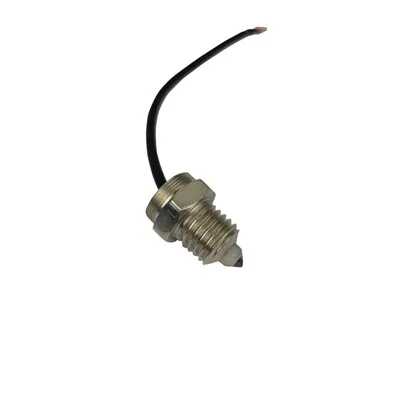
What is the use of a water detector device
A small leak can silently destroy cabinets, warp floors, trigger mold, and inflate utility bills long before you notice it. That's the core answer to "What is the use of a water detector device?": it detects unwanted water (or abnormal moisture levels) early and alerts you in time to act-so you can prevent water damage with sensors instead of paying for repairs later.
What is a water detector device used for?
A water detector device is used to identify the presence of water where it shouldn't be (leaks, seepage, overflow, or flooding) and to notify you via sound, phone alerts, or a connected system. In practical terms, the water leak detector purpose is to reduce damage, downtime, and cost by catching problems at the first drip.
Common real-world uses include:
Detecting plumbing leaks under sinks, behind toilets, or near water heaters
Warning of basement seepage or sump pump failures with a basement flood detector alarm
Spotting appliance leaks (dishwashers, washing machines, refrigerators with ice makers)
Monitoring humidity trends with a humidity detector to reduce mold risk
How water leak detectors work (simple explanation)
If you're wondering how water leak detectors work, most models rely on one (or more) of these methods:
1) Contact sensors (most common)
A water leak sensor has metal probes on the bottom. When water bridges the probes, the circuit closes and the alarm triggers. These are ideal as an under sink leak sensor or next to a water heater.
2) Float or sump-style sensors
Designed for pits, sumps, or areas where water may rise. They trigger when water reaches a certain level-perfect for a basement flood detector alarm.
3) Cable/rope leak sensors
A sensing cable runs along the floor perimeter or around equipment, detecting water anywhere along its length. This approach is often used in a larger water leak detection system.
4) Humidity-based monitoring
Some devices behave like a humidity detector, flagging abnormal moisture patterns that can indicate slow leaks or ventilation issues (helpful in crawlspaces and laundry rooms).
Key benefits: why homeowners and property managers install them
The most valuable water detector device benefits are about speed and prevention. A fast alert often means the difference between a towel cleanup and a full renovation.
Top advantages:
Early warning to reduce structural damage and mold growth
Lower repair bills and fewer insurance claims
Peace of mind during travel or vacant periods
Better visibility into risk areas (basements, utility rooms, rentals)
Potential insurance discounts (varies by provider)
Where to place a water detector device (best locations)
Placement matters as much as the device itself. Prioritize "high-risk + high-consequence" spots:
Under every sink (kitchen and bathrooms) as an under sink leak sensor
Behind toilets (especially older supply lines)
Next to the water heater and HVAC condensate drain
Behind the washing machine and dishwasher
Near refrigerators with water lines
At basement low points and near sump pumps (use a basement flood detector alarm)
In crawlspaces prone to humidity and seepage (consider a humidity detector feature)
Tip: Put sensors where water will naturally run or pool-near edges, low spots, and supply lines.
Smart water sensor vs leak detector: what's the difference?
People often compare smart water sensor vs leak detector. In practice, both detect leaks-"smart" usually means connected features.
Basic leak detector: Local siren only. Good if you're usually home.
Smart water sensor: Sends WiFi water leak sensor alerts to your phone, can integrate with smart home platforms, and may show history/battery status.
If you travel, manage rentals, or want remote awareness, smart models are typically the better fit.
Choosing the best water leak detector for home
There's no single best water leak detector for home-the best choice depends on your layout, lifestyle, and risk level. Use these criteria:
Must-have features
Loud alarm (so you hear it through walls)
Reliable connectivity (if using smart alerts)
Strong app notifications (push + optional SMS/email)
Replaceable batteries if it's a battery powered leak detector
Good sealing and durability for damp environments
Accuracy and false alarms
Water detector device accuracy depends on sensor design, placement, and environment. For example, a sensor placed where condensation regularly drips can trigger alarms even without a plumbing leak. Look for:
Adjustable sensitivity (where available)
A design that resists corrosion on probes
Stable WiFi performance (for smart models)
Water leak alarm installation guide (quick, practical steps)
Use this water leak alarm installation guide for most devices:
Clean and dry the surface where the sensor will sit.
Place the sensor at the lowest point near the water source (not in the middle of a flat area if water runs around it).
If smart: pair in the app first, then move it to the final spot (easier for connectivity testing).
Test the alarm using the device's test button or a small amount of water on the probes (follow manual).
Set notification rules (critical alerts, shared access for family/maintenance).
Label sensors by locati0n in the app (e.g., "Kitchen Sink Left").
Re-test monthly and after any plumbing work.
Cost: what to expect
Water leak detection system cost ranges widely:
Basic standalone alarms: low cost per unit, best for simple coverage
Smart sensors: moderate cost per unit, better for remote monitoring
Whole-home shutoff systems + multiple sensors: higher upfront cost, strongest protection
A useful approach is to start with a few high-risk areas (water heater, laundry, under kitchen sink) and expand coverage over time.
Water detector device troubleshooting (common issues)
If your alarms are unreliable, here's quick water detector device troubleshooting:
Random alerts: Move away from condensation zones; clean probe contacts; check for damp flooring.
No alert during testing: Replace battery; ensure probes contact water; verify device isn't muted.
Weak or missing WiFi alerts: Relocate closer to router; add a mesh node; check 2.4 GHz requirements.
Corroded probes: Replace the unit or probes if supported; avoid harsh cleaners on contacts.
App shows offline: Confirm battery level; re-pair device; verify network password changes.
Water leak detector alternatives (and why sensors still matter)
There are water leak detector alternatives, but most work best with sensors, not instead of them:
Manual checks and meter monitoring (easy to miss slow leaks)
Water-resistant pans under appliances (containment, not detection)
Smart water shutoff valves (powerful, but typically need sensors or flow analytics)
Regular plumbing inspections (periodic, not continuous)
Sensors remain the simplest way to get immediate, localized detection.
Conclusion: the real use of a water detector device
So, What is the use of a water detector device? It's a low-effort safeguard that spots leaks early, triggers alarms (local or remote), and helps you act before damage spreads. Whether you choose a simple siren model or a smart system with WiFi water leak sensor alerts, the payoff is the same: fewer surprises, lower repair risk, and a practical way to protect your home's most vulnerable areas.
Estimated word count: ~990 words.