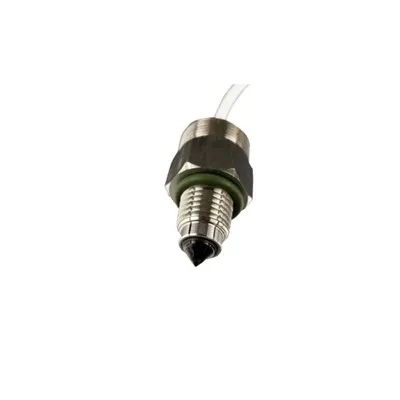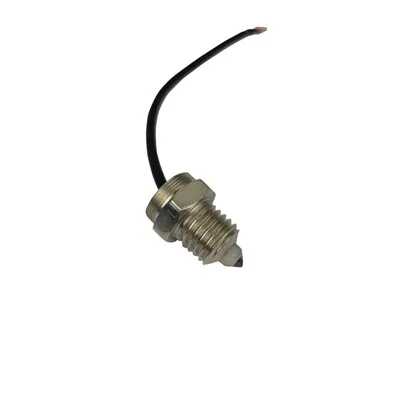
What type of pressure sensor is used in altimeters
Altimeters work by translating changes in air pressure into an estimated height above a reference point. In most aircraft, drones, watches, smartphones, and outdoor instruments, the pressure-sensing element behind this process is a barometric pressure sensor. More specifically, modern altimeters commonly use MEMS barometric pressure sensors, while older or purely mechanical units use an aneroid capsule or aneroid barometer mechanism.
Although the technology has changed over time, the principle is the same: atmospheric pressure decreases as altitude increases. By performing precise pressure measurement, an altimeter can estimate elevation or altitude based on a calibrated model of the atmosphere.
The basic principle behind altimeters
A pressure-based altimeter does not measure altitude directly. Instead, it measures ambient atmospheric pressure and converts that pressure reading into altitude.
At sea level, the atmosphere presses down with greater force because there is more air above the sensor. As you climb higher, there is less air above you, so atmospheric pressure drops. A barometric altimeter uses this predictable relationship to estimate height.
For example:
Higher pressure generally indicates lower altitude.
Lower pressure generally indicates higher altitude.
A change in local weather can also change pressure, which is why calibration matters.
This is why pilots set the altimeter to a known reference pressure before and during flight. Hikers and climbers may also recalibrate their devices at known elevations to improve accuracy.
The main type of pressure sensor used in modern altimeters
The most common pressure sensor used in modern electronic altimeters is a MEMS barometric pressure sensor.
MEMS stands for micro-electromechanical systems. These sensors are tiny, highly sensitive devices built using semiconductor manufacturing techniques. Inside a MEMS pressure sensor, there is typically a very thin diaphragm that flexes when atmospheric pressure changes. That movement is converted into an electrical signal, which the altimeter's electronics process into a pressure reading and then an altitude estimate.
MEMS-based pressure sensor altimeters are widely used because they are:
Compact enough for watches, phones, drones, and portable instruments
Energy efficient for battery-powered devices
Sensitive enough to detect small altitude changes
Durable compared with many older mechanical designs
Easy to integrate with digital electronics and software
A MEMS barometric pressure sensor may use different sensing methods, but the two most common are piezoresistive and capacitive sensing.
Piezoresistive pressure sensors in altimeters
A piezoresistive pressure sensor measures pressure by detecting changes in electrical resistance. When atmospheric pressure pushes against the sensor's diaphragm, the diaphragm bends slightly. This bending creates mechanical strain in tiny resistive elements. As the strain changes, the electrical resistance changes.
The altimeter's circuit measures this change and converts it into a pressure value.
Piezoresistive sensors are popular because they offer good sensitivity, relatively simple signal processing, and proven reliability. They are commonly found in many consumer, industrial, and aerospace-related pressure measurement applications.
In altimeters, piezoresistive MEMS sensors are useful because they can detect small changes in atmospheric pressure, which helps the device estimate changes in altitude with reasonable precision.
Capacitive pressure sensors in altimeters
A capacitive pressure sensor works differently. It measures changes in capacitance between two surfaces. One of those surfaces is usually a flexible diaphragm. As pressure changes, the diaphragm moves closer to or farther away from a fixed electrode. This changes the capacitance, and the electronics interpret that change as pressure.
Capacitive MEMS sensors can be very sensitive and may consume little power, which makes them well suited for portable devices. They are often used when precise low-pressure measurement is important.
For a barometric altimeter, capacitive sensing can provide stable readings for detecting altitude changes, especially when combined with temperature compensation and digital filtering.
Mechanical aneroid sensors in traditional altimeters
Before electronic sensors became common, altimeters typically used aneroid pressure sensors. Many aviation altimeters still use the aneroid principle, especially in traditional analog cockpit instruments.
An aneroid altimeter contains one or more sealed metal capsules. These capsules are partially evacuated, meaning the pressure inside them is lower than the surrounding atmospheric pressure. As outside air pressure changes, the capsules expand or contract.
This movement is transferred through mechanical linkages to a needle on a dial. When pressure decreases during a climb, the capsule expands and the needle indicates a higher altitude. When pressure increases during descent, the capsule contracts and the indicated altitude decreases.
Aneroid altimeters are valued for their direct mechanical operation and long history in aviation. However, they still require calibration and can be affected by mechanical wear, temperature effects, and pressure-setting errors.
Absolute pressure sensors vs gauge pressure sensors
Altimeters generally use absolute pressure sensors, not gauge pressure sensors.
An absolute pressure sensor measures pressure relative to a vacuum reference. This is important because altitude calculations depend on the actual atmospheric pressure surrounding the instrument.
A gauge pressure sensor measures pressure relative to local atmospheric pressure. That type of sensor is useful for applications such as tire pressure or hydraulic systems, but it is not the right choice for a barometric altimeter because the atmosphere itself is the quantity being measured.
So, when asking what type of pressure sensor is used in altimeters, the most accurate answer is: an absolute barometric pressure sensor, usually implemented today as a MEMS piezoresistive or capacitive sensor.
Why temperature compensation matters
Pressure measurement for altitude is not as simple as reading a sensor and assigning a height. Temperature also affects both the atmosphere and the sensor.
Air density changes with temperature. Sensor materials can also expand, contract, or drift slightly as temperature changes. To improve accuracy, modern pressure sensor altimeters often include temperature compensation.
This may involve:
A built-in temperature sensor
Factory calibration data
Software correction algorithms
Filtering to reduce noise and short-term fluctuations
Without compensation, two identical pressure readings may not always translate to exactly the same altitude under different environmental conditions.
Why barometric altimeters need calibration
A barometric altimeter depends on atmospheric pressure, and atmospheric pressure changes with weather. A storm system, high-pressure front, or local weather shift can make the altimeter think altitude has changed even when the device has not moved.
That is why calibration is essential.
In aviation, pilots adjust the altimeter setting based on current reference pressure information. In outdoor use, a hiker may calibrate the altimeter at a trailhead or known benchmark. In smartphones and wearable devices, software may combine barometric pressure with GPS, maps, and sensor fusion to improve elevation estimates.
Calibration helps separate actual altitude changes from pressure changes caused by weather.
Where pressure sensor altimeters are used
Barometric pressure sensors are used in many altitude-sensing applications, including:
Aircraft altimeters
Drone flight controllers
Outdoor watches
Fitness trackers
Smartphones
Weather stations
Climbing and hiking instruments
Industrial monitoring systems
Navigation and positioning devices
In drones, pressure sensor altimeters help maintain altitude, stabilize flight, and support automated navigation. In wearables, they can estimate floors climbed, elevation gain, and outdoor activity profiles. In aircraft, altimeters are critical flight instruments used to maintain safe vertical separation and follow assigned altitudes.
How accurate are pressure-based altimeters?
Accuracy depends on the quality of the sensor, calibration, environmental conditions, and the algorithm used to convert pressure to altitude.
A high-quality sensor may detect very small pressure changes, but the final altitude reading can still be affected by:
Weather-related pressure changes
Temperature variation
Sensor drift over time
Poor calibration
Turbulence or airflow effects
Installation locati0n
Rapid movement or vibration
For many consumer devices, barometric altitude is often more useful for tracking relative elevation change than for determining exact height above sea level at all times. For aviation, proper calibration and standard operating procedures are essential.
Barometric altimeter vs GPS altitude
A barometric altimeter and GPS altitude estimate height in different ways.
A barometric altimeter uses pressure measurement. It can detect small vertical changes quickly and can work without satellite signals. However, it must be calibrated because weather changes affect pressure.
GPS altitude uses signals from satellites. It can provide a position-based elevation estimate, but vertical accuracy is often less stable than horizontal locati0n accuracy, especially in poor signal conditions.
Many modern devices use both. A smartwatch, drone, or smartphone may combine GPS data with a MEMS barometric pressure sensor to produce a more useful altitude estimate than either system could provide alone.
Choosing the right pressure sensor for an altimeter
When selecting a sensor for an altimeter design, engineers typically look for an absolute barometric pressure sensor with the right balance of range, accuracy, power consumption, size, and stability.
Important factors include:
Pressure range suitable for expected operating altitudes
High resolution for detecting small altitude changes
Low noise for stable readings
Temperature compensation
Long-term stability
Low power draw for portable devices
Digital interface compatibility
Resistance to vibration and environmental stress
For most modern electronic applications, a MEMS barometric pressure sensor is the practical choice.
Summary
Altimeters use pressure sensors that measure atmospheric pressure and convert it into altitude. Traditional mechanical altimeters use aneroid capsules, while modern electronic altimeters most often use MEMS absolute barometric pressure sensors.
The most common modern sensor types are:
Piezoresistive MEMS pressure sensors, which measure resistance changes caused by diaphragm strain
Capacitive MEMS pressure sensors, which measure capacitance changes caused by diaphragm movement
Aneroid pressure mechanisms, used in traditional mechanical altimeters
In short, the sensor used in a barometric altimeter is an absolute barometric pressure sensor designed for precise atmospheric pressure measurement. Whether installed in an aircraft, drone, watch, or smartphone, this sensor allows the device to estimate altitude by tracking how air pressure changes with elevation.