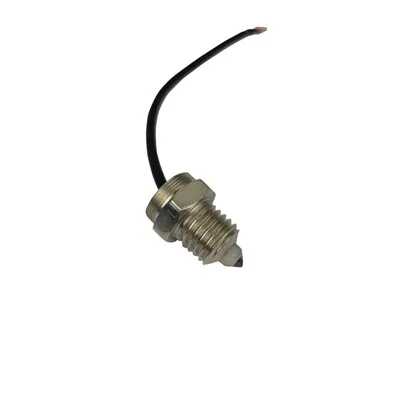
Where are thermal mass flow meters mostly used and why
Thermal Mass Flow Meters Built for Accurate Gas Measurement
When your process depends on reliable gas flow data, the right meter can make every decision easier. Thermal flow meters are designed to measure mass flow directly, helping facilities monitor, control, and optimize gas usage without the need for separate pressure and temperature compensation in many applications.
Our thermal mass flow meters are ideal for industrial teams that need dependable performance across air, natural gas, nitrogen, biogas, compressed air, flare gas, and other compatible gases. From plant utilities to environmental monitoring, these industrial flow meters help operators reduce waste, improve process visibility, and support safer, more efficient operations.
If you are comparing flow measurement technologies and wondering where thermal mass flow meters are mostly used and why, the answer is simple: they are most valuable in gas applications where low pressure drop, direct mass flow measurement, and stable long-term performance matter.
Where Thermal Mass Flow Meters Are Mostly Used
Thermal mass technology is widely used across industrial, commercial, municipal, and energy-related operations. Common thermal mass flow meters applications include:
Compressed Air Systems
Compressed air is one of the most expensive utilities in many facilities. Thermal mass flow meters are commonly installed in plant air headers, branch lines, and individual production areas to identify leaks, track consumption, and allocate costs.
They are especially useful because they measure mass flow directly and can detect changes in air usage over time. This makes them a strong fit for energy management programs, maintenance planning, and operational efficiency initiatives.
Natural Gas and Fuel Gas Monitoring
Facilities that use natural gas for boilers, burners, ovens, dryers, heaters, or furnaces often rely on thermal mass flow meters to monitor fuel consumption. Accurate gas usage data can help teams understand energy demand, improve combustion control, and document usage trends.
Thermal mass meters are often selected for these applications because they have minimal moving parts, low pressure drop, and the ability to measure flow across a wide range of operating conditions.
Biogas, Landfill Gas, and Wastewater Treatment
Municipal wastewater plants, landfill gas recovery sites, and renewable energy facilities commonly use thermal mass flow meters to measure biogas and digester gas. These applications require consistent gas flow monitoring to support process control, equipment protection, and reporting.
Because biogas streams can vary by composition and moisture content, proper meter selection and application review are important. Our team can help evaluate your operating conditions and recommend a configuration suited to your process.
Flare Gas and Vent Gas Measurement
Flare and vent gas applications often involve variable flow rates, low pressures, and changing operating conditions. Thermal mass flow meters are frequently used because they can provide dependable measurement over broad turndown ranges.
For plants focused on emissions tracking, compliance support, and process transparency, thermal technology can provide a practical and cost-effective solution when matched correctly to the gas stream.
Nitrogen, Argon, Oxygen, and Specialty Gases
Manufacturing, food and beverage, pharmaceutical, chemical, and laboratory environments often use nitrogen and other industrial gases for blanketing, purging, inerting, packaging, and process protection.
Thermal mass flow meters help operators understand how much gas is being used, where it is being used, and whether consumption patterns are changing. That insight can reduce unnecessary gas use and improve process control.
HVAC, Building Systems, and Energy Management
Thermal flow meters are also used in large commercial and institutional facilities to monitor airflow, combustion air, and gas usage. For campuses, hospitals, manufacturing buildings, and large mechanical systems, flow data can support energy-saving decisions and preventive maintenance.
Why Choose Thermal Mass Flow Meters?
Thermal mass flow meters are popular because they solve several common gas measurement challenges. Unlike some traditional technologies, they measure mass flow based on heat transfer between a heated sensor and the flowing gas. This makes them highly useful where direct gas mass measurement is needed.
Key advantages include:
Direct mass flow measurement for many gas applications
Low pressure drop compared with many differential pressure devices
No moving parts in many designs, helping reduce mechanical wear
Wide turndown capability for variable flow conditions
Strong low-flow sensitivity for monitoring leaks, purge flows, and small gas streams
Useful for energy management in compressed air and fuel gas systems
Flexible installation options including inline and insertion-style configurations
Digital output options for integration with plant control and monitoring systems
These benefits make thermal mass flow meters an excellent choice for teams that need practical, reliable flow data without overcomplicating their instrumentation setup.
Product Options for Your Application
Every process is different, so our thermal mass flow meter offering is designed to support a range of industrial requirements. Depending on your application, available options may include:
Inline meters for smaller pipe sizes and controlled installation conditions
Insertion meters for larger ducts or pipes where installation flexibility is important
Local display options for easy field visibility
Remote display or transmitter options for hard-to-access locations
Configurations for air, natural gas, nitrogen, biogas, and other compatible gases
Analog and digital communication outputs based on project requirements
Stainless steel wetted components for industrial environments
Standard and custom process connections
Because gas composition, pressure, temperature, pipe size, flow range, and installation conditions all affect meter performance, we recommend confirming specifications before purchase.
Ideal Buyers and Use Cases
Our thermal mass flow meters are well suited for:
Plant managers looking to reduce energy waste
Maintenance teams tracking compressed air leaks
Process engineers improving gas control
Environmental managers monitoring emissions-related flows
Wastewater operators measuring digester gas
Energy teams allocating utility costs by production area
OEMs integrating gas flow measurement into equipment
Industrial facilities replacing outdated flow instruments
Whether you need one meter for a utility line or multiple industrial flow meters across a facility, our team can help you choose the right configuration for your process.
Pricing and Configuration
Thermal mass flow meter pricing depends on the model, pipe size, gas type, flow range, materials, display style, communication outputs, approvals, and any application-specific requirements.
To help you make a confident purchase, we provide quote-based pricing tailored to your installation. This ensures you are not paying for features you do not need, while still getting the performance and compatibility your process requires.
For an accurate quote, please have the following information ready when available:
Gas type or gas mixture
Normal, minimum, and maximum flow rate
Line size and pipe schedule
Operating pressure
Operating temperature
Desired units of measurement
Process connection preference
Indoor or outdoor installation requirements
Output signal or communication needs
Any area classification or compliance considerations
Do not have every detail yet? That is okay. Share what you know, and we can help guide the next steps.
Application Support Before You Buy
Selecting a flow meter is not just about choosing a product from a catalog. The best results come from matching the instrument to the application.
Our support process is designed to help you avoid common issues such as incorrect flow range, unsuitable gas calibration, poor installation locati0n, or mismatched output requirements. We can help review your process conditions and recommend a thermal mass flow meter that fits your measurement goals.
You can count on practical support for:
Product selection
Application review
Sizing guidance
Installation considerations
Replacement meter recommendations
Multi-point facility monitoring projects
Technical documentation requests
Built for Industrial Performance
In demanding environments, flow meters need to do more than produce a number. They need to deliver stable measurement, integrate with existing systems, and support real operational decisions.
Our thermal mass flow meters are designed for dependable gas flow monitoring in industrial settings where uptime, repeatability, and ease of use are priorities. With the right configuration, they can help your facility gain better visibility into gas consumption, improve process control, and identify opportunities for savings.
Request a Quote
Ready to find the right thermal mass flow meter for your application?
Contact us today to discuss your gas type, flow range, line size, and installation needs. Our team will help you compare options, confirm compatibility, and provide a tailored quote for your project.