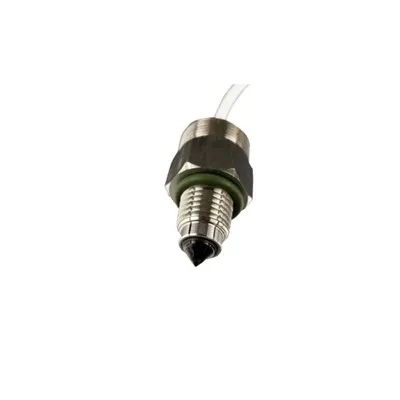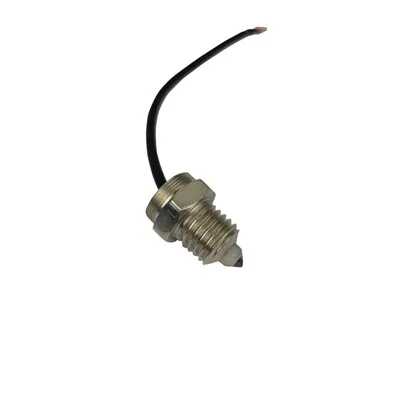
Where are ultrasonic flow meters used
Ultrasonic flow meters are used anywhere accurate, non-intrusive, and low-maintenance flow measurement is needed. Because they measure flow using sound waves rather than moving mechanical parts, they are especially valuable in systems where reliability, hygiene, pressure retention, and minimal disruption matter.
From water treatment plants to chemical processing facilities, ultrasonic flow meters support a wide range of flow meter applications across modern industry. They can be used for clean liquids, many wastewater streams, energy systems, process fluids, and, depending on the meter design, certain gases and challenging industrial media.
Below is a practical guide to where these meters are commonly used, why they are selected, and what to consider when choosing the right flow meter technology for a specific process.
How ultrasonic flow meters work
Ultrasonic flow meters measure velocity by sending ultrasonic signals through or along a pipe. The meter calculates flow rate based on how those sound waves behave as fluid moves through the line.
Two common types are:
Transit-time ultrasonic flow meters: These measure the time difference between sound waves traveling with and against the flow. They are commonly used for clean liquids and many controlled industrial processes.
Doppler ultrasonic flow meters: These rely on particles or bubbles in the fluid to reflect sound waves. They are often used for wastewater, slurries, or liquids that contain suspended solids.
Because many models clamp onto the outside of a pipe, installation can be completed without cutting the pipe, shutting down production, or introducing pressure loss. Inline models are also available when higher accuracy, permanent installation, or specific process requirements are needed.
Water and wastewater treatment
One of the most common answers to the question, "Where are ultrasonic flow meters used?" is water and wastewater management. Municipal utilities, treatment plants, and private water systems use ultrasonic meters to monitor flow throughout collection, treatment, distribution, and discharge processes.
Typical uses include:
Measuring influent and effluent flow at wastewater treatment plants
Monitoring treated water distribution
Tracking chemical dosing lines
Measuring reclaimed water systems
Supporting pump station performance checks
Monitoring stormwater and drainage systems
Ultrasonic meters are well suited to water applications because they can provide reliable liquid flow measurement without obstructing the pipe. In large pipelines, a clamp-on meter may also reduce installation complexity compared with mechanical meters that require pipe modifications.
For wastewater, Doppler-style meters can be helpful when the fluid contains solids, air bubbles, or suspended material. This makes them useful in applications where clean-water meter technologies may struggle.
Chemical processing and industrial production
Chemical plants use ultrasonic flow meters for monitoring process liquids, cooling water, solvents, additives, and other industrial fluids. In these environments, flow measurement must often account for safety, corrosion resistance, and process continuity.
Ultrasonic technology is attractive because many designs do not place moving parts directly in the flow stream. This can reduce wear, contamination risk, and maintenance demands. Clamp-on designs may also be useful when measuring corrosive or hazardous fluids because the sensor does not contact the liquid.
Common chemical industry applications include:
Batch process monitoring
Chemical feed measurement
Solvent transfer lines
Cooling and heating circuits
Process water monitoring
Leak detection support
Utility flow tracking
For critical chemical processes, the right meter selection depends on pipe material, fluid properties, temperature, pressure, concentration, and required accuracy. In some cases, inline ultrasonic meters may be preferred over clamp-on models for tighter control.
Oil, gas, and petrochemical systems
Ultrasonic meters are widely used in oil, gas, and petrochemical operations, especially where pressure retention, minimal obstruction, and long-term reliability are important. Depending on the design, they may be used for liquid hydrocarbons, refined products, produced water, custody support, fuel monitoring, and certain gas measurement applications.
In petrochemical facilities, industrial flow measurement often involves complex fluids, demanding operating conditions, and strict safety requirements. Ultrasonic meters can help operators monitor transfer lines, utility systems, and process flows without relying on mechanical components that may wear over time.
Typical applications include:
Crude oil and refined product transfer monitoring
Produced water measurement
Fuel oil systems
Pipeline flow monitoring
Chemical injection support
Utility water and cooling systems
Flare gas or process gas measurement, where appropriate meter designs are used
For custody transfer or highly regulated applications, meter specifications, calibration, installation standards, and verification procedures become especially important.
HVAC, energy, and building systems
Commercial buildings, campuses, hospitals, data centers, and district energy networks use ultrasonic meters to measure heating and cooling water flow. These readings help calculate energy usage, balance systems, verify pump performance, and improve efficiency.
Common building and energy applications include:
Chilled water systems
Hot water loops
Condenser water systems
District heating and cooling networks
Boiler feedwater monitoring
Thermal energy metering
Pump efficiency checks
Ultrasonic meters are often preferred in retrofit projects because clamp-on models can be installed with minimal interruption. This makes them useful when facility teams need flow measurement solutions without major piping changes.
In energy management, flow data is often paired with temperature readings to calculate thermal energy consumption. This helps building owners understand operating costs and identify opportunities for system optimization.
Food, beverage, and pharmaceutical production
In sanitary production environments, flow measurement must support cleanliness, repeatability, and product quality. Ultrasonic meters can be useful for liquids such as water, beverages, cleaning solutions, and certain process fluids, depending on compatibility and hygienic design requirements.
Applications may include:
Process water measurement
Clean-in-place system monitoring
Ingredient transfer
Beverage production lines
Pharmaceutical utility systems
Purified water distribution
Non-contact measurement where contamination risk must be minimized
For food and pharmaceutical facilities, the meter must match the process requirements. Sanitary fittings, material compatibility, cleanability, certification needs, and accuracy expectations should all be reviewed before installation.
Power generation and utilities
Power plants and utility operations rely on accurate flow data to manage cooling, steam support systems, feedwater, fuel handling, and environmental compliance. Ultrasonic meters are commonly used in supporting water and liquid systems where operators need dependable readings with minimal pressure loss.
Examples include:
Cooling water intake and discharge
Boiler feedwater support systems
Condensate return monitoring
Fuel flow monitoring
Demineralized water systems
Auxiliary plant services
Environmental discharge monitoring
Because power facilities often involve large-diameter pipes, clamp-on ultrasonic meters can be a practical choice for inspection, troubleshooting, or permanent flow monitoring.
Mining, pulp and paper, and heavy industry
Heavy industrial operations often involve abrasive liquids, process water, slurries, and large pipe networks. Ultrasonic meters can support measurement in areas where mechanical meters may experience wear or clogging.
In mining, they may be used for water supply, tailings lines, slurry monitoring, and reagent dosing support. In pulp and paper, they can help measure process water, chemical additives, pulp mixtures, and wastewater streams.
These industries often require careful meter selection. Doppler meters may be more appropriate for fluids containing suspended solids, while transit-time meters may perform better on cleaner liquids. Pipe condition, liner material, fluid density, and solids concentration can all affect performance.
Temporary testing and maintenance work
Not every flow meter is installed permanently. Portable ultrasonic flow meters are widely used by maintenance teams, engineers, and service providers for temporary testing.
Portable meters are useful for:
Verifying existing meter performance
Troubleshooting pump issues
Balancing hydronic systems
Checking flow before equipment upgrades
Conducting energy audits
Measuring flow where no permanent meter exists
Supporting commissioning and diagnostics
This flexibility is one of the major advantages of ultrasonic technology. A technician can often attach sensors to the outside of a pipe and obtain useful flow data without stopping the process.
Why industries choose ultrasonic flow meters
Ultrasonic meters are selected for many reasons, but the main advantages are practical and operational.
Key benefits include:
Non-intrusive measurement with clamp-on models
No moving parts, reducing mechanical wear
Low pressure loss because the pipe is not obstructed
Suitable for large pipe sizes where mechanical meters may be costly
Good retrofit potential for existing systems
Useful for temporary or portable measurement
Reduced maintenance requirements in many applications
Compatibility with many liquids when properly selected
These benefits make ultrasonic meters a versatile part of modern flow measurement solutions, particularly when downtime, maintenance access, or pipe modification is a concern.
Important selection factors
Although ultrasonic meters are highly versatile, they are not a one-size-fits-all answer. Choosing the right meter depends on the application.
Before selecting a meter, consider:
Fluid type Clean water, wastewater, chemicals, hydrocarbons, slurries, and gases may require different meter designs.
Pipe material and condition Clamp-on meters depend on signal transmission through the pipe wall, so pipe material, wall thickness, coatings, and corrosion matter.
Flow profile Turbulence, elbows, valves, pumps, and short straight-run distances can affect accuracy.
Temperature and pressure Sensors and electronics must be rated for the operating environment.
Accuracy requirements General monitoring, process control, billing, and custody-related applications may have different accuracy needs.
Installation type Clamp-on, insertion, and inline ultrasonic meters each have different advantages.
Fluid cleanliness Transit-time meters typically perform best with cleaner liquids, while Doppler meters require reflectors such as particles or bubbles.
Final thoughts
Ultrasonic flow meters are used across water treatment, chemical processing, oil and gas, HVAC, food and beverage production, pharmaceuticals, power generation, mining, and maintenance testing. Their ability to measure flow without moving parts makes them a dependable choice for many industrial and commercial systems.
The best results come from matching the meter to the actual process conditions. When pipe size, fluid properties, installation layout, and accuracy requirements are properly considered, ultrasonic flow meter technology can provide efficient, reliable, and flexible flow data for a wide range of applications.