500 Gallon Propane Tank Guide: Refill Fast & Save Money
In this guide: Everything you need to know about 500 gallon propane tanks - covering tank dimensions and specifications, how much propane a 500 gallon tank actually holds, refill timing and scheduling strategies to avoid emergency fees, cost-saving tips for propane purchases, how to monitor your 500 gallon tank level, installation requirements and placement rules, maintenance and inspection schedules, safety considerations for large propane tanks, when to upgrade or downsize, and answers to the most common questions about 500 gallon propane tanks.
500 Gallon Propane Tank Guide - Quick Answer
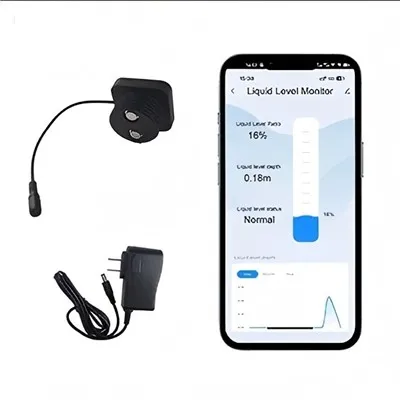
A 500 gallon propane tank holds approximately 400 gallons of propane when full (tanks are filled to 80% capacity for safety), measures roughly 10 feet long and 38 inches in diameter, and typically costs $1,500–$3,500 to purchase or $100–$200 per year to lease from a propane supplier. For most homes using propane for heating, water heating, and cooking, a 500 gallon tank provides 4–8 weeks of supply during peak heating season and 3–6 months during warmer months. To save money: order propane when your tank reaches 25–30% (avoiding emergency delivery fees of $100–$300+), lock in summer pricing when rates are lower, join a budget plan to spread costs across 12 months, and monitor your tank level with an ultrasonic sensor (like Mopeka Pro Check or Generac G0070090) to avoid surprise runouts. Proper placement requires at least 10 feet from buildings and property lines, and the tank must be on a stable, level surface - concrete pad, blocks, or compacted gravel.
Bottom line: A 500 gallon tank is the most common choice for whole-home propane systems. Manage it well and you will save hundreds of dollars per year in avoided emergency fees, optimized delivery timing, and smarter purchasing decisions.
500 Gallon Propane Tank Specifications
Dimensions and Physical Properties
| Specification | Detail |
|---|---|
| Water capacity | 500 gallons |
| Propane capacity (80% fill) | 400 gallons |
| Length | Approximately 9–10 feet (108–120 inches) |
| Diameter | Approximately 37–38 inches |
| Empty weight | 950–1,150 lbs (varies by manufacturer) |
| Full weight | Approximately 2,600–2,800 lbs (400 gallons × 4.24 lbs/gallon + tank weight) |
| Material | Steel, typically ASME-certified |
| Colour | White or light colour (to reflect heat); can be painted |
| Gauge | Float gauge included on top (under lid) |
| Valves | Fill valve, service valve, relief valve, liquid withdrawal valve (optional) |
| Typical use | Whole-home heating, water heating, cooking, generators |
How Much Propane Does a 500 Gallon Tank Hold?
| Fill Level | Gallons | Weight of Propane |
|---|---|---|
| 100% (theoretical) | 500 | 2,120 lbs |
| 80% (maximum safe fill) | 400 | 1,696 lbs |
| 70% | 350 | 1,484 lbs |
| 50% | 250 | 1,060 lbs |
| 30% | 150 | 636 lbs |
| 20% | 100 | 424 lbs |
| 10% | 50 | 212 lbs |
Remember: A 500 gallon tank is never filled to 500 gallons. The maximum fill is 80% (400 gallons) to allow for propane expansion when temperatures rise. When your gauge reads 80%, your tank is full.
Refill Timing: When to Order Propane for a 500 Gallon Tank
The Optimal Refill Strategy
| Gauge Reading | Gallons Remaining | Action | Why |
|---|---|---|---|
| 80% | 400 | No action needed | Tank is full |
| 50% | 200 | Monitor usage | Half full; no urgency |
| 35% | 140 | Plan delivery | Begin checking prices; schedule within 2 weeks |
| 25–30% | 100–120 | Order propane now | Ideal reorder point; 1–2 week buffer |
| 20% | 80 | Order immediately | Limited buffer; do not wait |
| 10% | 40 | Emergency order | Critical level; risk of runout |
Why You Should Never Wait Until 10% or Below
| Problem | Cost / Consequence |
|---|---|
| Runout during heating season | No heat; pipes freeze; $5,000–$20,000+ damage |
| Emergency delivery fee | $100–$300+ extra per delivery |
| After-hours delivery surcharge | $150–$500+ extra |
| System purging and pilot relights | $50–$150 for technician visit |
| Food spoilage (if using generator) | $200–$500+ in lost food |
| Inconvenience and discomfort | Days without heat or hot water |
Ordering at 25–30% gives you a 1–2 week buffer before runout. Delivery typically takes 3–7 days during normal season and up to 2 weeks during peak heating season (January–February). Do not cut it close.
Cost-Saving Strategies for 500 Gallon Propane Tanks
Strategy 1: Lock in Summer Pricing
| Season | Typical Propane Price per Gallon | 400 Gallon Fill Cost |
|---|---|---|
| Summer (June–August) | $2.00–$2.50 | $800–$1,000 |
| Fall (September–November) | $2.50–$3.00 | $1,000–$1,200 |
| Winter (December–February) | $3.00–$4.00+ | $1,200–$1,600+ |
| Spring (March–May) | $2.50–$3.00 | $1,000–$1,200 |
Potential savings by filling in summer vs winter: $400–$600 per fill.
How to lock in summer pricing:
Pre-buy or fixed-price contracts offered by many propane suppliers
Fill your tank in summer when prices are lowest
Avoid peak winter demand when prices spike
Strategy 2: Join a Budget Plan
| Plan Type | How It Works | Benefit |
|---|---|---|
| 12-month budget plan | Supplier estimates your annual usage; you pay equal monthly payments | Spreads cost across the year; avoids large winter bills |
| Pre-buy / fixed-price | Lock in a price per gallon for the season | Protects against price spikes |
| Automatic delivery | Supplier monitors your tank and delivers when needed | No runouts; no emergency fees; often lower price per gallon |
Budget plans typically save you $100–$300 per year by avoiding peak pricing and emergency delivery fees.
Strategy 3: Compare Suppliers and Negotiate
| Action | Potential Savings |
|---|---|
| Get quotes from 3–5 propane suppliers | $0.20–$0.50 per gallon difference between suppliers |
| Ask for new customer discounts | $50–$150 off first delivery |
| Negotiate price per gallon | $0.10–$0.25 per gallon reduction possible |
| Ask about volume discounts | Large tanks may qualify for better rates |
| Switch suppliers if prices are significantly better | $200–$400+ annual savings |
On a 400-gallon fill, a $0.30 per gallon difference = $120 savings. Over a heating season (1,000 gallons total), that is $300 in savings.
Strategy 4: Monitor Your Tank Level and Avoid Emergency Fees
| Scenario | Cost |
|---|---|
| Scheduled delivery (tank at 25–30%) | Standard price per gallon |
| Emergency delivery (tank at 10% or runout) | $100–$300+ extra fee + potential price premium |
Cost of a tank monitor (Mopeka Pro Check: $50–$80; Generac G0070090: $199–$249) vs cost of ONE emergency delivery: $100–$300. A tank monitor pays for itself after preventing a single runout.
Strategy 5: Improve Energy Efficiency to Reduce Propane Usage
| Efficiency Upgrade | Reduction in Propane Usage | Annual Savings |
|---|---|---|
| Programmable thermostat | 5–10% | $100–$300 |
| Insulation upgrade (attic, walls) | 10–20% | $200–$600 |
| Seal air leaks (windows, doors) | 5–10% | $100–$300 |
| High-efficiency furnace | 15–25% | $300–$800 |
| Tankless water heater | 20–30% (water heating) | $150–$400 |
Reducing your propane usage by 20% on a 1,000-gallon annual usage = 200 gallons saved. At $2.50/gallon, that is $500 per year.
How Long Does a 500 Gallon Tank Last?
Estimated Runtime by Usage Level
| Usage Level | Daily Consumption | 400 Gallons Last |
|---|---|---|
| Light (cooking + water heating only) | 1–2 gallons/day | 200–400 days (6–12 months) |
| Moderate (heating + water heating + cooking) | 5–8 gallons/day | 50–80 days (7–11 weeks) |
| Heavy (whole-home heating in cold climate) | 10–15 gallons/day | 27–40 days (4–6 weeks) |
| Severe cold (below 0°F sustained) | 15–20 gallons/day | 20–27 days (3–4 weeks) |
| With generator (backup power) | 2–3 gallons/hour under load | 133–200 hours of generator runtime |
Average Annual Usage by Home Size (Heating Climate)
| Home Size | Annual Propane Usage | 500 Gallon Tank Fills per Year |
|---|---|---|
| 1,500 sq ft | 600–900 gallons | 1.5–2 fills |
| 2,000 sq ft | 800–1,200 gallons | 2–3 fills |
| 2,500 sq ft | 1,000–1,500 gallons | 2.5–4 fills |
| 3,000+ sq ft | 1,200–1,800+ gallons | 3–5 fills |
These are estimates. Your actual usage depends on climate, insulation, thermostat settings, appliances, and lifestyle. Monitor your tank level and track usage over time to understand your specific consumption pattern.
Installation Requirements for 500 Gallon Propane Tanks
Placement Rules (NFPA 58 and Local Codes)
| Distance Requirement | Minimum Distance |
|---|---|
| From buildings and structures | 10 feet |
| From property lines | 10 feet |
| From ignition sources (AC units, grills, generators) | 10 feet |
| From openings (windows, doors, vents) | 10 feet |
| From driveways and roadways | 10 feet (varies by jurisdiction) |
| From wells and cisterns | 10–25 feet (varies by jurisdiction) |
Check with your local fire department or propane supplier for specific codes in your area. Some jurisdictions require 25 feet from buildings for tanks over 500 gallons.
Foundation and Support
| Foundation Type | Requirement | Cost |
|---|---|---|
| Concrete pad | 4–6 inches thick; level; extends 6 inches beyond tank on all sides | $300–$600 |
| Concrete blocks | Level blocks supporting tank feet; stable | $100–$200 |
| Compacted gravel | 4–6 inches of compacted gravel; level; stable | $50–$150 |
| Ground (level soil) | Acceptable if ground is stable, level, and well-drained; less stable long-term | $0 |
A proper foundation prevents tank settling, shifting, and damage over time. Concrete is the most stable long-term solution.
Above-Ground vs Underground
| Option | Cost | Pros | Cons |
|---|---|---|---|
| Above-ground | $1,500–$2,500 purchase; $100–$200/year lease | Lower cost; easy access for filling and inspection; easier to monitor | Visible; requires setback distance |
| Underground | $3,000–$5,000+ installation | Hidden; protected from weather; saves space | Higher cost; cathodic protection required; harder to inspect |
For most homeowners, an above-ground 500 gallon tank is the most cost-effective choice. Underground tanks are worth considering for aesthetic reasons or limited space, but cost significantly more.
Monitoring Your 500 Gallon Propane Tank
Options for Tank Level Monitoring
| Method | Cost | Accuracy | Remote Access? | Best For |
|---|---|---|---|---|
| Manual gauge reading | $0 | ±5–10% | ❌ No | Homeowners who check tank weekly |
| Ultrasonic sensor (Mopeka Pro Check) | $50–$80 | ±1–2% | ❌ Bluetooth only | Homes with tank near house |
| Ultrasonic sensor (Tank Utility Wi-Fi) | $150–$200 | ±1–2% | ✅ Yes (Wi-Fi) | Remote monitoring from phone |
| Cellular monitor (Generac G0070090) | $199–$249 | ±1–2% | ✅ Yes (cellular) | Remote properties; no Wi-Fi needed |
| Automatic delivery (supplier service) | Varies | Supplier monitors | ✅ Supplier manages | No monitoring required by homeowner |
For a 500 gallon tank, an ultrasonic sensor or cellular monitor is highly recommended. The cost ($50–$250) is negligible compared to the cost of one emergency delivery ($100–$300+).
Maintenance and Inspection
Recommended Maintenance Schedule
| Task | Frequency | Cost |
|---|---|---|
| Visual inspection (corrosion, damage, leaks) | Monthly (homeowner) | Free |
| Gauge check and level monitoring | Weekly during heating season | Free |
| Professional inspection | Annually (supplier or technician) | $50–$100 |
| Regulator replacement | Every 15–25 years | $150–$300 |
| Tank repainting | Every 5–10 years (as needed) | $200–$500 (DIY: $50–$100) |
| Valve inspection and testing | Every 10 years (professional) | $100–$200 |
Signs Your Tank Needs Attention
| Issue | What to Look For | Action |
|---|---|---|
| Corrosion or rust | Red/brown patches on tank surface | Clean and repaint; contact supplier if severe |
| Damaged gauge | Needle stuck or erratic readings | Contact supplier for gauge replacement |
| Vegetation growing near tank | Plants touching or near tank | Clear vegetation; maintain 10 ft clearance |
| Unusual smell | Rotten egg odour near tank | Evacuate; call supplier and fire department immediately |
| Tank shifting or settling | Tank not level or moved from original position | Contact supplier; may need foundation repair |
| Leaking valve or fitting | Visible leak or smell at connections | Shut off valve; call supplier immediately |
Frequently Asked Questions
Q1: How much does a 500 gallon propane tank cost?
| Purchase Option | Cost |
|---|---|
| Purchase new tank | $1,500–$3,500 |
| Lease from supplier | $100–$200 per year (often free with delivery contract) |
| Used tank | $800–$1,500 (inspect carefully for condition) |
| Underground tank (installed) | $3,000–$5,000+ |
Most homeowners lease tanks from their propane supplier. Leasing is often free or low-cost if you sign a delivery contract, and the supplier handles maintenance and inspection.
Q2: How often do I need to refill a 500 gallon propane tank?
Depends on your usage. For whole-home heating in a cold climate: 2–4 fills per heating season (November–March). For moderate usage (heating + water heating + cooking): 1–2 fills per season. For light usage (cooking and water heating only): 1 fill per year or less.
Average homeowner with a 2,000 sq ft home in a heating climate fills 2–3 times per year.
Q3: How many gallons are in a 500 gallon tank at 30%?
A 500 gallon tank at 30% contains approximately 120 gallons of propane.
Calculation: 500 gallons × 0.30 × 0.8 = 120 gallons
(The 0.8 factor accounts for the 80% fill limit.)
Q4: Can I install a 500 gallon propane tank myself?
No - propane tank installation must be performed by a licensed professional. Installation requires proper placement according to NFPA 58 and local codes, correct plumbing and regulator installation, leak testing, and inspection. A licensed propane supplier or installer will handle the entire process, ensure safety compliance, and often include installation as part of a lease agreement.
Q5: How far from my house does a 500 gallon propane tank need to be?
A 500 gallon propane tank must be at least 10 feet from any building, structure, or property line. This is the minimum distance required by NFPA 58 (National Fire Protection Association). Some jurisdictions may require greater distances - check with your local fire department or propane supplier for specific requirements in your area.
Q6: Should I buy or lease a 500 gallon propane tank?
| Factor | Buying | Leasing |
|---|---|---|
| Upfront cost | $1,500–$3,500 | $0–$200/year |
| Long-term cost (10 years) | $1,500–$3,500 | $0–$2,000 |
| Maintenance responsibility | You | Supplier |
| Ability to switch suppliers | ✅ Yes | ❌ Often locked into one supplier |
| Tank ownership | ✅ You own it | Supplier owns it |
| Resale value | Some value | None |
Leasing is best if you want low upfront cost and supplier-handled maintenance. Buying is best if you want the freedom to switch suppliers and plan to stay in your home long-term (7+ years).
Q7: How do I monitor my 500 gallon propane tank level?
Use the built-in float gauge (check weekly during heating season) or install an ultrasonic tank sensor (Mopeka Pro Check, Tank Utility, or Generac G0070090) for remote monitoring via smartphone app. Ultrasonic sensors are more accurate (±1–2%) than float gauges (±5–10%) and provide low-level alerts so you never forget to check.
Q8: What happens if my 500 gallon propane tank runs empty?
| Consequence | What Happens |
|---|---|
| No heat or hot water | Furnace and water heater stop working |
| Emergency delivery fee | $100–$300+ extra charge |
| Pilot light relights | $50–$150 for technician visit |
| System purge (if air entered lines) | $50–$100 additional |
| Potential pipe freezing | $5,000–$20,000+ damage |
| Inconvenience and discomfort | Days without heat or hot water |
Preventing runout costs far less than dealing with one. Monitor your tank, order at 25–30%, and consider automatic delivery from your supplier.
The Bottom Line: 500 Gallon Propane Tank Guide
A 500 gallon propane tank is the ideal size for most whole-home propane systems, holding 400 gallons when full and providing 4–8 weeks of heating in cold weather. To save money: order at 25–30% to avoid emergency fees, lock in summer pricing, join a budget plan, and monitor your tank with an ultrasonic sensor. Proper installation requires 10 feet from buildings and a stable foundation. Maintain your tank with annual inspections and address corrosion promptly.
Key takeaways:
| Takeaway | Why It Matters |
|---|---|
| ✅ 500 gallon tank holds 400 gallons max | Filled to 80% for safety |
| ✅ Order at 25–30% (120–100 gallons) | Avoids emergency fees; 1–2 week buffer |
| ✅ Fill in summer to save $400–$600 | Summer prices are lowest |
| ✅ Use a tank monitor ($50–$250) | Pays for itself by preventing one runout |
| ✅ Install 10 feet from buildings | NFPA 58 requirement; safety code |
| ✅ Lease or buy - both have merits | Lease = low cost, supplier maintenance; Buy = supplier freedom |
| ✅ Annual inspection recommended | Catches problems early; ensures safety |
| ✅ Emergency delivery costs $100–$300+ | Prevention is cheaper than cure |
| ✅ Monitor weekly during heating season | Never be surprised by low propane |
| ✅ Budget plans spread cost across 12 months | Avoids large winter bills |
Remember:
500 gallon tank = 400 gallons propane when full (80%)
10 feet minimum from buildings and property lines
Order at 25–30%; never wait until below 20%
Summer fills save $400–$600 vs winter fills
Tank monitor pays for itself after one prevented runout
Lease for low cost; buy for supplier freedom
Annual inspection keeps your tank safe
Emergency delivery fees add $100–$300+
Budget plans spread costs and avoid bill shocks
A 500 gallon tank lasts 4–8 weeks in heating season
Manage your 500 gallon propane tank well, and you will save hundreds of dollars per year while ensuring your home stays warm and comfortable all winter.
Last updated: July 2026
Disclaimer: This guide provides general information about 500 gallon propane tanks for educational purposes. Always follow your propane supplier's guidelines, local codes, and manufacturer instructions. Propane is a combustible fuel - ensure proper safety practices, use propane detectors, and consult your supplier for specific guidance related to your tank and usage.