9 Propane Safety Tips for Home Heating: The Essential Homeowner's Checklist
In this guide: Everything you need to know about propane safety tips for home heating - covering CO detection, tank maintenance, appliance safety, emergency procedures, annual inspections, and the complete FAQ for 2026.
9 Propane Safety Tips for Home Heating: Quick Answer
Propane is one of the safest home heating fuels available - but only when systems are properly installed, maintained, and operated. These 9 propane safety tips for home heating cover the essential practices every homeowner should follow: install and maintain carbon monoxide detectors, schedule annual professional inspections, monitor your propane tank level, keep the area around your propane tank and appliances clear, know how to turn off your propane supply in an emergency, never attempt DIY work on propane systems, protect your tank from physical damage and corrosion, address gas smells immediately, and maintain proper ventilation around propane appliances. Following these 9 propane safety tips prevents the vast majority of propane-related incidents - which are already rare due to propane's built-in safety features, including its strong odorant (ethyl mercaptan), automatic shutoff valves, and strict industry standards. The most important fact: propane heating incidents are almost entirely preventable through routine maintenance and basic safety awareness.
Propane Safety Tip 1: Install and Maintain Carbon Monoxide Detectors
The Most Critical Safety Device in Any Propane-Heated Home
Carbon monoxide (CO) detectors are not optional in a propane-heated home - they are essential life-saving equipment:
CO detector requirements for propane-heated homes:
| Requirement | Specification | Why It Matters |
|---|---|---|
| Install on every level | Minimum one per floor; ideally one in each hallway | CO can accumulate anywhere in the home |
| Install near bedrooms | Within 15 feet of each bedroom door | CO poisoning is most dangerous during sleep |
| Install near propane appliances | One near furnace and water heater | Closest to potential CO sources |
| Test monthly | Press test button every 30 days | Verifies the detector is functioning |
| Replace batteries every 6 months | Change when changing clocks | CO detectors are only effective if powered |
| Replace entire unit every 5–7 years | Check manufacture date on back | Sensors degrade over time and lose sensitivity |
| Use combination smoke + CO detectors | Dual-sensor devices available | Saves space and ensures both protections |
What to do if your CO detector alarms:
| Situation | Immediate Action |
|---|---|
| CO alarm sounds | Evacuate everyone from the home immediately; call 911 from outside |
| Feeling symptoms + alarm | Leave immediately; call 911; seek medical attention |
| Alarm sounds and stops | Do not ignore it - have your propane system inspected before using again |
| Alarm chirps (low battery) | Replace batteries immediately; do not disable the detector |
Propane Safety Tip 2: Schedule Annual Professional Inspections
The Maintenance Step That Prevents Most Incidents
Annual professional inspections are the single most effective way to keep your propane heating system safe:
Annual propane heating inspection checklist:
| Inspection Item | What the Technician Checks | Frequency | Cost |
|---|---|---|---|
| Gas leak testing | Pressurizes system and checks for pressure drop | Annual | Included in service call |
| Burner and combustion analysis | Verifies proper flame pattern and combustion efficiency | Annual | Included in service call |
| Heat exchanger inspection | Checks for cracks that could allow CO into home | Annual | Included in service call |
| Vent and flue inspection | Ensures exhaust gases are properly vented outside | Annual | Included in service call |
| Gas pressure measurement | Verifies correct manifold pressure for propane | Annual | Included in service call |
| Thermostat calibration | Ensures accurate temperature control | Annual | Included in service call |
| Tank inspection (5yr / 10yr) | Certified tank integrity inspection | Per schedule | $50–$150 |
| Propane system safety audit | Full system review by certified technician | Annual | $100–$200 |
The cost-benefit of annual inspections: An annual propane heating inspection costs $100–$200 and prevents problems that could cost thousands in repairs, endanger lives, or both. Combustion inefficiency, a small gas leak, or a cracked heat exchanger are all problems that a professional finds and fixes - before they become dangerous incidents.
Propane Safety Tip 3: Monitor Your Propane Tank Level
Preventing the Hazards of Running Empty
Running your propane tank empty is more than an inconvenience - it creates real safety and system hazards:
Propane tank level monitoring:
| Monitoring Method | Cost | Pros | Cons |
|---|---|---|---|
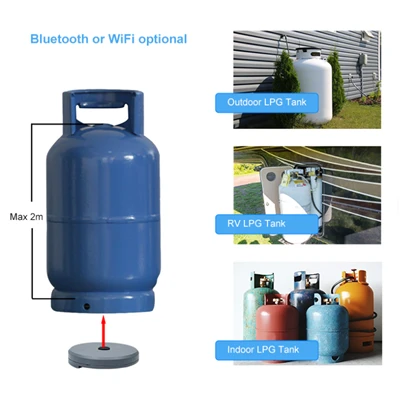
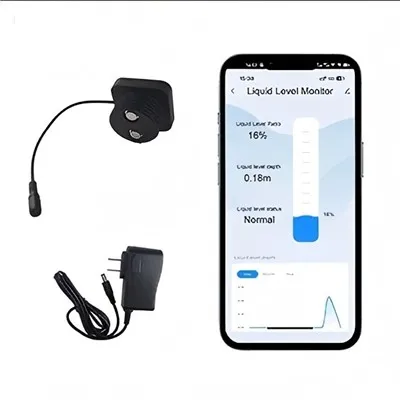
| Wireless tank monitor (WiFi/cellular) | $80–$250 | Sends level alerts to your phone; tracks usage | Requires internet/signal; additional device |
| Fixed gauge on tank | Free (built-in) | Always visible | Must physically check; easy to miss |
| Delivery history tracking | Free | Tracks usage patterns; estimates refill timing | Less precise; requires manual monitoring |
| Float gauge | $20–$50 | Visual level indicator | Mechanical; can fail; less accurate |
| Smart valve monitor | $100–$300 | Precise; monitors usage in real time | More expensive; requires professional install |
Why running empty is dangerous: Running your propane tank completely empty allows air and moisture to enter the system - contamination that requires professional system purging ($100–$300) to resolve. More critically, running empty creates a vacuum in the tank that can draw in water and sediment from the bottom of the tank, clogging regulators and damaging appliances. The safest approach is to refill your tank when it reaches 20–30% capacity - never let it drop below 10%.
Propane Safety Tip 4: Keep Areas Around Tanks and Appliances Clear
Maintaining Required Clearances for Safety
Propane tanks and appliances require specific clearances from flammable materials, structures, and vegetation:
Required clearances for propane safety:
| Area | Required Clearance | Why It Matters |
|---|---|---|
| Around propane tank (all sides) | Minimum 10 feet from buildings, property lines, sources of ignition | Prevents fire spread; ensures delivery access |
| Above propane tank | No overhead obstructions (branches, structures) | Allows for safe filling; prevents physical damage |
| In front of propane furnace | Minimum 3 feet clear for servicing access | Allows technicians to service equipment safely |
| Around propane water heater | Minimum 3 feet clear | Prevents fire hazards; allows servicing |
| Near gas line entry points | Clear of vegetation and debris | Prevents physical damage to gas lines |
| Propane cylinder storage (small tanks) | Minimum 5 feet from building; ventilated area | Prevents gas accumulation in enclosed spaces |
| From sources of ignition | Minimum 10 feet from open flames, electrical panels, smokers | Prevents accidental ignition of propane vapors |
Seasonal clearance checks: Clearances around propane tanks should be checked seasonally - and after storms, tree work, or landscaping projects. Overgrown vegetation, fallen branches, and accumulated debris can all reduce required clearances and create fire hazards. A $50–$100 investment in seasonal clearing prevents incidents that could cost thousands.
Propane Safety Tip 5: Know How to Turn Off Your Propane Supply
The Emergency Response Skill Every Household Needs
Every adult in a propane-heated household should know how to shut off the propane supply in an emergency:
Propane emergency shutoff procedure:
| Step | Action | Details |
|---|---|---|
| 1. Locate the tank shutoff valve | Usually on top of the tank; requires adjustable wrench | Know where this is before an emergency |
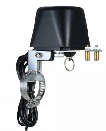
| 2. Turn the valve clockwise (righty-tighty) | Turn until the valve handle is perpendicular to the gas pipe | This shuts off the flow of propane |
| 3. Shut off gas appliances | Turn off each propane appliance at its individual valve | Prevents pressure surge when system repressurizes |
| 4. Do not operate electrical switches | No lights, no garage door openers | Sparks from switches can ignite propane vapors |
| 5. Evacuate and ventilate | Leave the building; open windows and doors | Clears any accumulated propane vapors |
| 6. Call your propane supplier | Have them inspect and restore service | Do not turn propane back on yourself |
| 7. Call 911 if you smell gas or suspect a leak | Fire department has detection equipment | Evacuate before calling from outside |
When to shut off your propane: Shut off your propane supply if you smell a strong propane odor, hear a hissing sound near the tank or gas lines, a storm or flood has damaged the tank or gas lines, you detect a persistent gas smell near an appliance, or you are leaving the home for an extended period during winter (to prevent frozen pipes from burst if heating fails).
Propane Safety Tip 6: Never Attempt DIY Work on Propane Systems
Why Licensed Professionals Are Non-Negotiable
Propane gas work is not a DIY project - and amateur mistakes on propane systems can be immediately life-threatening:
Why propane gas work requires licensed professionals:
| DIY Mistake | Consequence | Why Professionals Prevent This |
|---|---|---|
| Improperly tightened fittings | Gas leak; fire or explosion risk | Licensed gas fitters use torque wrenches and leak-test equipment |
| Incorrect gas line sizing | Low pressure or dangerous overpressure | Professionals calculate pressure drops across the full system |
| Missing or wrong fittings | Gas leaks; CO production | Professionals use code-approved components |
| Improperly installed regulators | Dangerous pressure to appliances | Professionals set and verify manifold pressure with manometers |
| Inadequate venting | CO accumulation indoors | Professionals verify vent sizing and clearance per code |
| Cross-connected gas lines | Fuel type contamination | Professionals pressure-test and purge each system segment |
| Damaged flex lines | Rupture risk under pressure | Professionals replace damaged components with approved parts |
The one DIY task that is safe: Replacing the air filter in your propane furnace (every 1–3 months) is the only routine maintenance task that is safe for homeowners to perform without professional licensing. Everything else - from adjusting gas pressure to cleaning burners to replacing thermocouples - requires a licensed HVAC or gas-fitting professional.
Propane Safety Tip 7: Protect Your Propane Tank From Damage and Corrosion
Extending Tank Life and Preventing Catastrophic Failure
Propane tanks are robust but not indestructible - physical damage and corrosion are the two primary threats:
Propane tank protection checklist:
| Threat | Signs to Watch For | Prevention / Response |
|---|---|---|
| Physical damage from impact | Dents, gouges, scratches on tank surface | Park vehicles carefully; avoid backing into tank area; inspect after any impact |
| Corrosion (above-ground tanks) | Rust spots, white powdery residue, bubbling paint | Sand and repaint rusty spots annually; keep tank painted with approved coating |
| Corrosion (underground tanks) | No visible signs until failure | Use cathodic protection; rely on 5-year and 10-year inspections |
| Settlement and shifting | Tank moving or tilting; gas line strain | Ensure tank is properly anchored on a stable, level foundation |
| Flooding | Tank submerged or partially underwater | Propane systems must be in flood-free locations; relocate if necessary |
| Overpressure damage | Tank relief valve discharging | Faulty first-stage regulator can overpressure tank; annual inspection catches this |
| UV/sunlight damage | Discoloration, cracking of tank coating | Keep tank painted; UV-resistant coating extends life |
| Vegetation overgrowth | Plants growing into and around tank | Maintain 10-foot clearance; trim regularly |
Propane Safety Tip 8: Respond Immediately to Gas Smells
The Smell That Could Save Your Life
Propane is odorized with ethyl mercaptan - a chemical that gives it a strong, unmistakable rotten egg or skunk smell. This smell is propane's most important safety feature:
Propane smell response protocol:
| Smell Intensity | Likely Cause | Response |
|---|---|---|
| Faint smell near appliance when lighting | Normal - residual gas from prior operation | Ventilate briefly; light appliance; if persists, have inspected |
| Moderate smell near appliance | Possible appliance issue | Shut off appliance; ventilate; call technician |
| Strong smell throughout the home | Significant gas leak | Evacuate immediately; do not operate switches; call 911 from outside |
| Smell near outdoor tank or gas line | Possible tank or line leak | Evacuate area; keep sources of ignition away; call propane supplier |
| Persistent smell after appliance is off | Ongoing leak | Shut off gas supply; evacuate; call technician before resuming use |
What to do first - evacuate, then call: If you smell a strong propane odor - evacuate everyone from the building immediately. Do not turn on lights, do not use phones inside, do not operate any electrical switches or appliances, and do not start vehicles near the property. Leave the door open behind you as you exit, and call 911 from a safe location outside the home. The propane supplier or fire department will locate the leak with specialized gas detection equipment.
Propane Safety Tip 9: Maintain Proper Ventilation Around Appliances
The Combustion Air Requirement That Cannot Be Overstated
Propane appliances need adequate combustion air to burn safely. Insufficient ventilation causes incomplete combustion - which produces dangerous carbon monoxide:
Ventilation requirements for propane heating appliances:
| Appliance | Minimum Ventilation | Signs of Inadequate Ventilation |
|---|---|---|
| Propane furnace | Varies by BTU; typically 1 sq. inch per 1,000 BTU of input | Yellow flames; soot buildup; frequent limit switch trips |
| Propane water heater | Full open to room air OR dedicated combustion air intake | Water heater sputters; backdrafting; condensation on walls |
| Propane wall furnace | As specified by manufacturer; typically 50 sq. inches free area | Heater overheats and shuts off; yellow burner flames |
| Propane space heater | Adequate room air exchange; do not use in sealed rooms | Symptoms of CO poisoning in occupants |
| Propane fireplace | Full opening to room or dedicated direct-vent air intake | Room feels stuffy; condensation; occupants feel unwell |
The sealed room danger: Never operate any propane appliance - even an ODS-equipped indoor-safe heater - in a bathroom, small bedroom, or any sealed room without ventilation. The Oxygen Depletion Sensor (ODS) shuts off gas before oxygen drops to dangerous levels, but adequate room ventilation is still required for safe and efficient combustion. ODS is your backup safety device - ventilation is the primary condition for safe operation.
Frequently Asked Questions
Q1: What are the most important propane safety tips for home heating?
The 9 most important propane safety tips for home heating are: first, install and maintain carbon monoxide detectors - one on every level, near bedrooms, and near propane appliances; test monthly, replace batteries every 6 months, and replace the entire unit every 5–7 years; second, schedule annual professional inspections - a licensed technician checks for gas leaks, combustion problems, heat exchanger cracks, and vent blockages that could cause dangerous CO; third, monitor your propane tank level - never let it drop below 10% and refill at 20–30% to prevent air and moisture contamination; fourth, keep clearances around tanks and appliances - maintain 10 feet around tanks and 3 feet in front of furnaces for safety and servicing access; fifth, know how to shut off your propane supply in an emergency - every adult in the home should know where the tank shutoff valve is and how to use it; sixth, never attempt DIY work on propane gas lines or appliances - licensed gas fitters and HVAC technicians have the equipment and training to work safely; seventh, protect your tank from physical damage and corrosion - inspect annually, repair rust promptly, and maintain clearances; eighth, respond immediately to any propane smell - evacuate, ventilate, and call 911 if the smell is strong; and ninth, maintain proper ventilation around all propane appliances - inadequate combustion air causes dangerous carbon monoxide production.
Q2: How often should I have my propane heating system inspected?
You should have your propane heating system professionally inspected annually - before the start of each heating season is ideal. Annual inspections include gas leak testing, combustion analysis, heat exchanger inspection, vent and flue inspection, gas pressure verification, thermostat calibration, and full system safety audit. Your propane tank requires certified inspections at 5-year and 10-year intervals - these are separate from the annual appliance inspection and verify the structural integrity of the tank itself. Between professional inspections, test your CO detectors monthly, change furnace filters every 1–3 months, visually inspect the area around your tank and furnace regularly, and monitor your tank level with a gauge or wireless monitor. Any unusual smell, yellow flame, soot buildup, or pilot light problem warrants an immediate service call regardless of schedule.
Q3: What does it mean if I smell propane near my propane appliance?
A faint smell of propane near an appliance when you first light it is normal - it is residual gas from the previous operation that dissipates quickly. A moderate or persistent smell near an appliance indicates a possible leak or combustion problem - shut off the appliance at its gas valve, ventilate the room by opening windows and doors, and call a licensed propane technician before using the appliance again. A strong propane smell throughout the home is a serious gas leak - evacuate everyone from the home immediately without operating any electrical switches or appliances, call 911 from outside, and do not re-enter until the fire department or propane supplier has declared the home safe. Propane is intentionally odorized with ethyl mercaptan so that even small leaks produce a noticeable smell - never ignore a propane odor, even if it seems faint.
Q4: Can I use a propane heater in a bedroom?
Standard vent-free propane heaters - even those with ODS certification - are not recommended for bedroom use. Bedrooms are typically small, poorly ventilated, and occupied during sleep - when carbon monoxide poisoning is most dangerous because victims may not wake to early symptoms. The safest option for bedroom heating is a direct-vent propane furnace or wall heater, which draws combustion air from outside and vents exhaust directly outside - completely separating combustion from indoor air. If you must use a supplemental propane heater in a bedroom, use only an ODS-certified heater sized appropriately for the room, keep the bedroom door open or cracked, install a working CO detector inside or immediately adjacent to the bedroom, and never leave the heater operating while sleeping. For bedroom heating, the safest choice is an electric blanket or a properly sized electric space heater with safety certification and automatic shutoff.
Q5: How long does a propane tank last before it needs to be replaced?
An above-ground propane tank lasts approximately 20–30 years with proper maintenance, while an underground propane tank lasts approximately 30–50 years due to the protective environment of the surrounding soil. The actual lifespan depends on the tank's material (steel thickness, coating quality), installation quality, soil conditions (for underground tanks), maintenance frequency, and environmental factors. Above-ground tanks corrode faster in coastal or high-humidity environments. Underground tanks corrode faster in sandy or poorly drained soils. Tank lifespan is assessed through 5-year and 10-year certified inspections by qualified tank inspectors - these inspections identify thinning walls, corrosion, and structural integrity issues that determine whether a tank should be repaired, recertified, or replaced. No tank should be used beyond its certified lifespan without professional assessment.
The Bottom Line
Propane heating is exceptionally safe when homeowners follow 9 basic propane safety principles: install and maintain CO detectors on every level and near every bedroom; schedule annual professional inspections before each heating season; monitor tank level and refill before dropping below 20–30%; maintain required clearances around tanks and appliances; know how and when to shut off your propane supply; leave all gas work to licensed professionals; protect your tank from physical damage and corrosion; respond immediately to any propane smell with evacuation and emergency calls; and maintain proper ventilation around all propane appliances. These 9 propane safety tips for home heating are not complicated, expensive, or time-consuming - but they are non-negotiable. Propane's built-in safety features - the ethyl mercaptan odorant, automatic shutoff valves, and strict industry standards - are effective only when homeowners maintain their systems and follow basic safety practices. The overwhelming majority of propane incidents are preventable. Follow these 9 propane safety tips and your propane heating system will reliably and safely heat your home for decades.
Last updated: July 2026
Disclaimer: This guide provides general information about propane safety tips for home heating for educational purposes. Propane heating safety depends on proper installation, maintenance, and operation by qualified professionals. Always hire licensed HVAC technicians and gas fitters for propane system work. Install and maintain working carbon monoxide detectors in any home with fuel-burning appliances. In case of a gas emergency, evacuate immediately and call 911. This guide is not affiliated with, endorsed by, or sponsored by any propane equipment manufacturer.