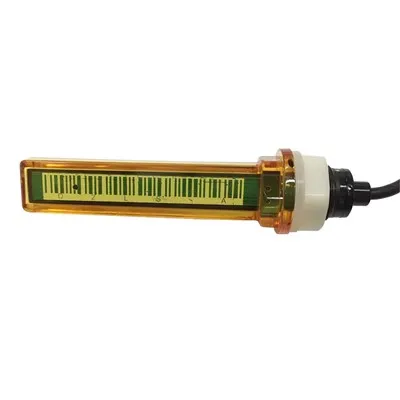
Accurate Propane Tank Gauge: The Complete 2026 Guide to Never Run Out of Gas
Everything You Need to Know About Getting Accurate Propane Tank Readings-How Propane Gauges Actually Work, Why They're Often Wrong, The Best Monitoring Technologies, DIY Solutions, Smart Sensors, and Exactly How to Tell How Much Propane You Really Have
Introduction: The Propane Gauge Mystery
You glance at your propane gauge and it says "half full." But is it really? Can you trust that little dial? And why does your propane tank always seem to run out at the worst possible moment-right when you're in the middle of cooking dinner or when the nighttime temperatures plunge?
The truth about propane tank gauges: Most built-in RV propane gauges are notoriously inaccurate, often off by 10-30%. That "half full" reading might actually mean you're running on fumes.
This guide will help you understand exactly how propane tank gauges work, why they're often wrong, and what you can do to get truly accurate propane tank readings. From simple tricks to high-tech smart sensors, you'll learn how to never be surprised by an empty propane tank again.
What you'll learn in this guide:
How propane tank gauges actually work (and why they're often wrong)
The most accurate methods for checking propane levels
The best propane tank monitors and sensors in 2026
DIY techniques for verifying your gauge's accuracy
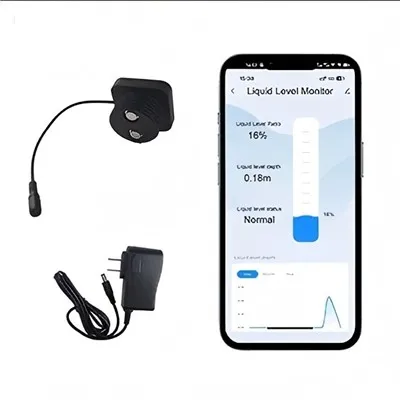
Smart home and app-based propane monitoring solutions
How temperature and weather affect propane readings
Step-by-step instructions for each verification method
Frequently asked questions from real RV owners
By the end, you'll know exactly how much propane you have-and how to set up a monitoring system that will never let you run dry.
Part 1: How Propane Tank Gauges Work
Understanding the Float Gauge System
Most RV propane tanks use a simple float gauge system. Understanding how it works is the first step to understanding why it's often inaccurate.
The Float Gauge Mechanism ⭐
How it works:
A float (similar to the one in your toilet tank) sits on top of the liquid propane inside the tank
As the propane level rises and falls, the float moves up and down
This float is connected to a mechanical arm that drives a needle on your gauge
The gauge displays the level as a percentage (0-100%) or as fractions (Full, 3/4, 1/2, 1/4, Empty)
The problem with this system:
The float can stick, especially if there's debris or moisture in the tank
The float mechanism can wear out over time
The arm connecting the float to the gauge can become misaligned
Temperature changes affect the reading more than the actual level
Why Temperature Matters ⭐
Propane is stored as a liquid under pressure. But here's what most people don't realize:
Temperature effects on propane:
Hot weather: Propane expands, increasing pressure and potentially giving a falsely high reading
Cold weather: Propane contracts, decreasing pressure and potentially giving a falsely low reading
Direct sunlight: Tanks in the sun read higher than tanks in shade (same actual level)
Morning vs. afternoon: A tank can read 20-30% differently depending on when you check
The temperature paradox:
In hot weather, a tank might read "full" but actually be less than 80% full
In cold weather, a tank might read "half" but actually be 70% full
The built-in gauge doesn't compensate for temperature at all
Why Your Gauge Might Be Wrong ⭐
| Problem | Effect on Reading | Frequency |
|---|---|---|
| Float sticking | Gauge stops moving, frozen at one reading | Common after 5+ years |
| Float misalignment | Gauge reads wrong at certain levels | Common, often gradual onset |
| Temperature distortion | 10-30% inaccuracy depending on conditions | Always present |
| Gauge mechanism wear | Erratic or stuck readings | Common after 10+ years |
| Installation error | Consistently wrong reading | Rare but possible |
| Diaphragm rupture | Gauge reads full when empty or vice versa | Rare but serious |
Part 2: The Most Accurate Methods for Checking Propane Levels
From Simple Tricks to Scientific Approaches
Here are all the methods for checking propane levels, ranked by accuracy:
Method 1: The Hot Water Trick ⭐⭐⭐⭐⭐
Accuracy: 90-95% | Cost: $0 | Time: 10 minutes
This is the most reliable DIY method for checking propane levels without any special equipment.
What you'll need:
Hot water (from a kettle or jug)
Your hands (to feel the tank)
Patience
The science: Propane is stored as a liquid at the bottom of the tank. The area above the liquid propane is vapor (gas). When you pour hot water down the side of the tank, the metal where it contacts liquid propane will conduct heat differently than where it's in contact with vapor.
Step-by-step instructions:
Fill a container with hot water (just-hot, not boiling-about 130-150°F)
A kettle, large pot, or insulated jug works perfectly
You need enough to pour along the entire side of the tank
Pour the hot water slowly down the side of the tank
Start at the top and work your way down
Use your hand or a sponge to spread the water evenly
Pour in a thin stream, not a flood
Feel the tank as you pour
Where the tank feels hot: That's where the propane liquid is (good conductor)
Where the tank feels cool or warm: That's where it's vapor only (poor conductor)
The boundary between hot and cool is your liquid level
Mark the level with your finger or a piece of tape
Once you've found the line, mark it
The area below the line is liquid propane
The percentage of the tank below the line = percentage full
Repeat for accuracy
Do it twice to confirm your reading
Check at different points around the tank (front, back, sides)
Take an average if readings vary
How to interpret your reading:
If the hot/cool line is at the top of the tank: ~90-100% full
If it's halfway down: ~50% full
If it's near the bottom: ~20-30% full
Critical rule: Never use more than 80-85% of tank capacity; the remaining 15-20% is required for proper vaporization
Pro tips:
Do this in the morning before the tank heats up in the sun
Check on a day when ambient temperature is moderate (50-80°F)
Repeat monthly to track usage patterns
This method works on all types of propane tanks
Method 2: The Scale Method ⭐⭐⭐⭐
Accuracy: 95%+ | Cost: $20-100 | Time: 5 minutes
Weighing your propane tank is the most accurate method of all.
The science: Propane weighs approximately 4.2 pounds per gallon. By weighing the tank and subtracting the tare weight (empty tank weight), you can calculate exactly how many pounds (and thus gallons) of propane you have.
Step-by-step instructions:
Find your tank's tare weight (TW)
The tare weight is stamped on the collar near the valve
It's listed as "TW" followed by a number (usually 16-18 lbs for 20-lb tanks)
This is the weight of the empty tank itself
Weigh the tank
Use a bathroom scale, hanging scale, or postal scale
For 20-lb tanks: bathroom scale works fine
For larger tanks: hanging scale or platform scale required
Weigh the tank without the protective cover if possible
Calculate your propane level
code复制
Propane Weight = Gross Weight - Tare Weight Propane Gallons = Propane Weight ÷ 4.2 Percentage Full = (Propane Weight ÷ Tank Capacity) × 100
Example calculation:
Your tank's TW is 17.0 lbs
Scale reads 34.5 lbs
Propane weight: 34.5 - 17.0 = 17.5 lbs
Propane gallons: 17.5 ÷ 4.2 = 4.17 gallons
Tank capacity: 20 lbs = 4.76 gallons
Percentage full: (4.17 ÷ 4.76) × 100 = 87.6%
Tank weight reference chart:
| Tank Size | Empty Weight (Tare) | Propane Capacity | Full Weight |
|---|---|---|---|
| 5 lb | 8-10 lbs | 5 lbs / 1.2 gal | 13-15 lbs |
| 10 lb | 11-14 lbs | 10 lbs / 2.4 gal | 21-24 lbs |
| 20 lb | 16-18 lbs | 20 lbs / 4.8 gal | 36-38 lbs |
| 30 lb | 22-25 lbs | 30 lbs / 7.1 gal | 52-55 lbs |
| 40 lb | 25-30 lbs | 40 lbs / 9.5 gal | 65-70 lbs |
| 100 lb | 60-70 lbs | 100 lbs / 23.8 gal | 160-170 lbs |
| 200 lb | 110-130 lbs | 200 lbs / 47.6 gal | 310-330 lbs |
Important notes:
Always leave 15-20% headspace in your tank
Never fill beyond 80-85% capacity
Overfilling is dangerous and can damage your equipment
The scale method is accurate within 1-2%
Method 3: The Sound Method ⭐⭐⭐
Accuracy: 70-80% | Cost: $0 | Time: 30 seconds
How it works: Tap on the side of your propane tank and listen to the sound. Different sounds indicate different fill levels.
The technique:
Stand at one end of the tank
Tap firmly on the side with your knuckle
Move your hand down the side of the tank, tapping as you go
Listen carefully to the sound at each position
What to listen for:
Solid, muffled thud: Propane liquid (dense, absorbs sound)
Hollow, ringing sound: Vapor only (empty space, sound bounces)
Sloshing sound: Propane sloshing inside (almost full)
Accuracy limitations:
Requires practice to interpret correctly
Best for rough estimates (full, 3/4, 1/2, 1/4, empty)
Works better on horizontal tanks than vertical tanks
Best used as a secondary check, not primary method
Method 4: Built-in Float Gauge Reading ⭐⭐
Accuracy: 60-80% (often less) | Cost: $0 | Time: 5 seconds
The built-in gauge: Most RVs have a built-in propane gauge on the control panel. This is the least reliable method.
How accurate is it really?:
New tanks/systems: 80-90% accurate
After 5 years: 70-80% accurate
After 10 years: 50-70% accurate
With temperature extremes: Can be 30-50% off
When to trust it:
Only as a very rough estimate (full, half, empty)
Only on newer systems (under 5 years old)
Only when temperature is moderate and tank is in shade
Only when you can corroborate with another method
When NOT to trust it:
On older systems
After the tank has been jostled or moved
When the reading suddenly changes dramatically
When you've had any work done on the propane system
When the tank has been sitting in direct sunlight or cold
Part 3: The Best Propane Tank Monitors and Sensors in 2026
High-Tech Solutions for Accurate Readings
For truly accurate, always-on propane monitoring, these are the best options available:
Smart Propane Monitors ⭐
| Product | Accuracy | Connectivity | Features | Price | Rating |
|---|---|---|---|---|---|
| Mopeka Pro Check | 99%+ | Bluetooth | Ultrasonic, no magnets | $65-80 | ⭐⭐⭐⭐⭐ |
| Mopeka Pro+ Cellular | 99%+ | 4G LTE | Cellular, no monthly fee | $199 | ⭐⭐⭐⭐⭐ |
| Generac 4G LTE Monitor | 98%+ | 4G LTE | Magnetic mount, Mobile Link app | $199-249 | ⭐⭐⭐⭐ |
| Tytron TK6 | 95%+ | Bluetooth | 3-sensor technology | $130-150 | ⭐⭐⭐⭐ |
| APRVPro Smart Gauge | 90%+ | Bluetooth | Budget option | $40-60 | ⭐⭐⭐ |
| Inkbird Propane Monitor | 88%+ | Bluetooth | Basic features | $30-45 | ⭐⭐⭐ |
Mopeka Pro Check (M1017012) ⭐⭐⭐⭐⭐
Why it's the best: The Mopeka Pro Check uses ultrasonic technology to measure the exact propane level-no float gauge, no guessing.
Key features:
Ultrasonic measurement: Measures the distance from the sensor to the propane surface
Bluetooth connectivity: Check levels from your phone via the Mopeka app
No magnet required: Sits on the tank using a bracket or straps
Temperature compensation: Automatically adjusts for temperature changes
99%+ accuracy: Same accuracy as weighing the tank
Works with all tank sizes: Configurable for 5, 10, 20, 30, 40, 100 lb tanks
Specifications:
Battery life: 5+ years (CR2477 coin cell)
Range: Bluetooth range (30-50 feet)
Operating temperature: -40°F to +140°F
App compatibility: iOS and Android
Installation:
Attach the sensor bracket to your tank (universal fit)
Position sensor at the bottom of the tank
Connect via Bluetooth to the Mopeka app
Enter your tank size and type
Calibrate (if needed)
What you'll see on the app:
Exact percentage full (to the decimal)
Gallons remaining
Estimated days of use remaining
Low-level alerts (configurable threshold)
Temperature compensated readings
Price: $65-80 (often on sale for $55-70) Best for: RVers who want professional-grade accuracy at an affordable price
Mopeka Pro+ Cellular ⭐⭐⭐⭐⭐
The premium choice: Everything in the Pro Check, plus cellular connectivity for true remote monitoring.
Key features:
4G LTE cellular: Check your propane level from anywhere
No monthly fees: One-time purchase, free cellular data
GPS tracking: Find your tank anywhere
Temperature compensated: Accurate in all weather conditions
99%+ accuracy: Same as the Pro Check
Works without phone nearby: Cellular connection means always-on monitoring
Specifications:
Battery life: 5+ years (non-replaceable, but long-lasting)
Cellular: 4G LTE (works throughout North America)
Range: Unlimited (cellular connectivity)
App: Mopeka Pro app with unlimited access
What makes it special:
No need to be near your RV to check propane
Set up text alerts when propane gets low
Perfect for seasonal RVers who aren't always on-site
Integrates with home automation systems
Price: $199 (often on sale for $175-185) Best for: Full-time RVers, those who store RVs remotely, anyone who wants true remote monitoring
Generac 4G LTE Propane Tank Monitor ⭐⭐⭐⭐
The Generac solution: A proven brand brings propane monitoring to the Mobile Link ecosystem.
Key features:
4G LTE connectivity: Remote monitoring anywhere
Magnetic mount: Easy installation on steel tanks
Mobile Link app: Check levels, set alerts, track usage
No monthly fees: Free data with purchase
Battery powered: 5+ year battery life
Works with Generac generators: Integration with whole-home backup power
Specifications:
Battery life: 5+ years (AA batteries)
Cellular: 4G LTE
Range: Unlimited (cellular connectivity)
Tank compatibility: Steel tanks with magnetic mounting surface
Limitations:
Only works with magnetic steel tanks
Not compatible with aluminum or composite tanks
Requires steel tank with flat mounting surface
Price: $199-249 Best for: RVers who already use Generac products or want Generac ecosystem integration
Tytron TK6 Propane Monitor ⭐⭐⭐⭐
The established choice: Tytron has been in the propane monitoring space for years with a solid reputation.
Key features:
Three-sensor technology: More accurate than single-sensor systems
Bluetooth connectivity: Local monitoring via smartphone app
Temperature compensation: Automatic weather adjustment
Universal tank compatibility: Works with most tank sizes
Easy installation: Strap-on bracket system
What makes it different:
Three sensors provide redundancy and better accuracy
More sophisticated than single-sensor competitors
Proven track record with propane industry
Price: $130-150 Best for: RVers who want a proven product with multiple sensors
APRVPro Smart Propane Gauge ⭐⭐⭐
The budget option: Basic smart monitoring at an affordable price point.
Key features:
Bluetooth connectivity: Local monitoring via app
Affordable price: Under $60
Easy installation: Strap-on or magnetic mount
Basic alerts: Low-level notifications
Limitations:
Less accurate than premium options (90% vs. 99%)
Fewer features than competitors
Basic app (no history/trends)
Shorter battery life
Price: $40-60 Best for: Budget-conscious RVers who want smart monitoring without premium price
Part 4: DIY Verification Methods
How to Check Your Gauge's Accuracy
Before you trust your gauge-or buy a new one-verify that your existing gauge is working correctly.
DIY Float Gauge Accuracy Test ⭐
Step-by-step:
Check the gauge reading (note the percentage)
Weigh the tank using the scale method (from Part 2)
Calculate the actual percentage using the formula:
code复制
Actual % = (Propane Weight ÷ Tank Capacity) × 100
Compare the two readings:
Within 5%: Your gauge is accurate
Within 10-15%: Your gauge is slightly off, monitor closely
More than 15% off: Your gauge needs calibration or replacement
Repeat at different levels:
Check accuracy at full, 3/4, 1/2, and 1/4 levels
Some gauges are accurate at some levels but not others
This tells you where your gauge's problem areas are
Float Gauge Calibration ⭐
If your gauge is consistently off by a known amount, you can adjust for it:
The calibration method:
Weigh your tank and calculate actual percentage
Compare to gauge reading
Note the difference (e.g., gauge reads 50%, actual is 60%)
From now on, subtract/add that difference when reading the gauge
Example:
Gauge reads: 50%
Actual (calculated): 40%
Difference: Gauge reads 10% high
Your correction: Always subtract 10% from gauge reading
This is not fixing your gauge-it's working around its inaccuracy. Eventually, you should replace or upgrade the gauge.
When to Replace Your Gauge ⭐
Replace your gauge if:
It's more than 15-20% off from actual level
It sticks at certain levels
It gives erratic readings
It's more than 10 years old
It shows signs of physical damage
You've had work done on the propane system
The tank has been dropped or jostled
Gauge replacement options:
In-panel replacement: Replace the gauge in your RV's control panel ($50-150 + labor)
Add-on monitor: Add a smart monitor (Mopeka, Generac, etc.) as a secondary gauge ($65-200)
Full system upgrade: Install a complete smart monitoring system with new gauge ($200-500)
Part 5: Temperature and Weather Effects
Why Weather Makes All the Difference
Temperature has a massive effect on propane tank readings. Understanding this effect helps you interpret readings correctly.
The Physics of Propane ⭐
Propane characteristics:
Stored as liquid under pressure
Boils at -44°F (converts liquid to gas at atmospheric pressure)
Inside a sealed tank, pressure varies with temperature
More heat = more pressure = more vapor = higher gauge reading
Less heat = less pressure = less vapor = lower gauge reading
The key insight: The gauge measures PRESSURE, not AMOUNT. Temperature changes affect pressure even when the actual propane amount is unchanged.
Temperature Correction Chart ⭐
Adjust your reading based on temperature:
| Temperature | Correction Factor | Example |
|---|---|---|
| Below 0°F (-18°C) | Subtract 20-30% from gauge | Gauge: 50%, Actual: 30-35% |
| 0-40°F (-18 to 4°C) | Subtract 10-20% from gauge | Gauge: 50%, Actual: 40-45% |
| 40-70°F (4 to 21°C) | No correction needed | Gauge: 50%, Actual: 50% |
| 70-90°F (21 to 32°C) | Add 5-10% to actual | Gauge: 50%, Actual: 55-60% |
| Above 90°F (32°C) | Add 10-20% to actual | Gauge: 50%, Actual: 55-65% |
Note: These are approximate corrections. The actual correction depends on tank size, fill level, and exposure conditions.
Seasonal Reading Guidelines ⭐
Winter (cold weather):
Gauges read lower than actual level
Tank in shade reads 10-20% lower than tank in sun
Morning readings are most accurate (tank coolest)
Propane consumption increases (more heating, less efficient cooking)
Strategy: Trust the lower reading; always have more than you think you need
Summer (hot weather):
Gauges read higher than actual level
Tanks in direct sun read 10-20% higher than shaded tanks
Afternoon readings are least accurate
Propane consumption decreases (no heating needed)
Strategy: Don't trust the high reading; verify with hot water or scale method
The Sunlight Paradox ⭐
The scenario: You park your RV in the morning with a tank that reads 75%. By afternoon, after sitting in the sun, it reads 85%.
What actually happened:
The propane warmed up (pressure increased)
The gauge responded to increased pressure (reading went up)
The actual amount of propane didn't change
When it cools down in the evening, it will read 75% again
The takeaway: Don't trust gauge readings taken after the tank has been in direct sunlight. Check in the morning before sun exposure, or check after the tank has been in consistent shade for several hours.
Part 6: Setting Up a Propane Monitoring System
Step-by-Step Guide
Here's how to set up a comprehensive propane monitoring system that gives you accurate readings 24/7:
System Design ⭐
Components you'll need:
| Component | Purpose | Options | Cost |
|---|---|---|---|
| Primary gauge | Main propane level reading | Built-in, external analog | $0-100 |
| Smart monitor | Accurate digital reading | Mopeka Pro Check, Generac | $65-249 |
| Smartphone app | Remote monitoring | Mopeka, Mobile Link, etc. | Free |
| Alert system | Notifications when low | Built into apps | Free |
| Backup verification | Confirm readings | Scale, hot water | $0-50 |
Step 1: Install a Smart Monitor ⭐
Mopeka Pro Check installation:
Choose your tank: The Mopeka Pro Check works on horizontal tanks (most RV tanks)
Position the sensor: Attach the bracket at the bottom of the tank, as low as possible
Install the sensor: Place the sensor in the bracket with the green light facing the tank
Download the app: Mopeka Pro app (free on iOS and Android)
Pair via Bluetooth: Open the app and follow the pairing instructions
Configure your tank: Enter tank size (5, 10, 20, 30, 40, 100 lb)
Verify accuracy: Compare to a known-accurate reading (scale method)
Set up alerts: Configure low-level alerts (recommended: 25% and 15%)
Step 2: Configure Alerts and Notifications ⭐
Alert configuration best practices:
| Alert Level | Trigger | Action |
|---|---|---|
| Warning | 25% remaining | Note that refill is coming soon |
| Critical | 15% remaining | Refill immediately or within 24 hours |
| Emergency | 10% remaining | Refill NOW, do not use propane |
Alert settings:
Notification type: Push notification + text message
Recipients: You + travel companions
Redundancy: Set up multiple alert types (don't rely on just one)
Step 3: Establish a Verification Routine ⭐
Weekly verification routine:
Open the smart monitor app and check level
Note the percentage and gallons remaining
If possible, verify with the hot water trick or scale method
Log the reading in a tracking spreadsheet
Check weather forecast and adjust expectations
Monthly deep check:
Full verification using scale method
Compare scale reading to app reading
Note any discrepancies
Clean the sensor (if applicable)
Check battery level (if applicable)
Step 4: Track Usage Patterns ⭐
What to track:
Gallons used per week/month
Usage rate (gallons per day of camping)
Seasonal patterns (winter vs. summer usage)
Appliance usage (what you were cooking/heating)
Weather conditions (temperature, humidity)
Why it matters:
Predict when you'll run out
Identify unusual consumption (possible leak?)
Plan refills proactively
Optimize propane usage habits
Sample tracking spreadsheet columns:
Date
Tank % (from app)
Gallons remaining
Gallons used since last check
Weather conditions
Usage notes
Part 7: Complete Cost Comparison
Every Propane Monitoring Option
Here's a complete breakdown of every propane monitoring solution:
Free/Low-Cost Methods ⭐
| Method | Accuracy | Cost | Time per Check | Best For |
|---|---|---|---|---|
| Hot water trick | 90-95% | $0 | 10 min | DIY verification |
| Scale method | 95%+ | $0-50 | 5 min | Most accurate DIY |
| Sound method | 70-80% | $0 | 30 sec | Quick estimate |
| Built-in gauge | 60-80% | $0 | 5 sec | Rough estimate only |
Smart Monitor Comparison ⭐
| Product | Accuracy | Connectivity | Battery | Price | Subscription |
|---|---|---|---|---|---|
| Mopeka Pro Check | 99%+ | Bluetooth | 5+ years | $65-80 | None |
| Mopeka Pro+ Cellular | 99%+ | 4G LTE | 5+ years | $199 | None |
| Generac 4G LTE | 98%+ | 4G LTE | 5+ years | $199-249 | None |
| Tytron TK6 | 95%+ | Bluetooth | 2-3 years | $130-150 | None |
| APRVPro | 90%+ | Bluetooth | 1-2 years | $40-60 | None |
Complete Monitoring System Costs ⭐
Budget system ($0-50):
Methods: Hot water trick + scale
Accuracy: 95%+
Time: 10 minutes per check
Pros: Free, very accurate
Cons: Manual, no alerts
Best for: Occasional RVers, budget-conscious users
Smart system ($65-150):
Methods: Mopeka Pro Check + hot water backup
Accuracy: 99%+
Time: 5 seconds per check
Pros: Accurate, automatic, smartphone alerts
Cons: Bluetooth range limited
Best for: Regular RVers who want accuracy without cellular
Premium system ($199-300):
Methods: Mopeka Pro+ Cellular + scale backup
Accuracy: 99%+
Time: 5 seconds per check, anywhere
Pros: Remote monitoring, GPS, no range limit
Cons: Higher initial cost
Best for: Full-time RVers, remote storage, peace of mind
Part 8: Frequently Asked Questions
Q1: How accurate is the built-in propane gauge in my RV?
A: Not very accurate, typically 60-80% reliable. Here's the breakdown:
Accuracy by age:
New (under 2 years): 85-90% accurate
Moderate (2-7 years): 75-85% accurate
Old (7-15 years): 60-75% accurate
Very old (15+ years): 50-70% accurate
Factors affecting accuracy:
Temperature: Can cause 10-30% error
Float mechanism wear: Common after 5+ years
Installation quality: Affects alignment
Tank movement: Jostling can misalign the float
The verdict: Use the built-in gauge as a rough indicator (full/half/empty), but always verify with a secondary method before making critical decisions.
Q2: How can I get an accurate propane reading without special tools?
A: Use the hot water trick (see Part 2, Method 1). It's free, takes 10 minutes, and is 90-95% accurate.
Hot water trick steps:
Heat water to ~130-150°F (just hot, not boiling)
Pour slowly down the side of the tank
Feel for the hot/cool boundary (liquid conducts heat, vapor doesn't)
Mark where the temperature changes
That line = your propane liquid level
Alternative: Use the sound method (tapping the tank and listening). Less accurate (70-80%) but instant.
Best practice: Use both methods and average the results.
Q3: What's the best propane tank monitor for RVs?
A: The Mopeka Pro Check is the best overall choice for most RVers:
Why Mopeka Pro Check wins:
99%+ accuracy: Same as weighing the tank
$65-80: Excellent value for the accuracy
Bluetooth: Works from 30-50 feet away
No subscription: One-time purchase, no monthly fees
5+ year battery: Set it and forget it
Easy install: 15 minutes, no tools needed
When to choose other options:
Mopeka Pro+ Cellular ($199): Choose this if you need remote monitoring (checking from home while RV is in storage)
Generac 4G LTE ($199-249): Choose this if you already use Generac products or want ecosystem integration
Tytron TK6 ($130-150): Choose this if you want a proven product with three-sensor technology
APRVPro ($40-60): Choose this for budget smart monitoring with acceptable accuracy
Q4: Does the temperature really affect propane gauge readings that much?
A: Yes, dramatically-temperature can cause 10-30% error in gauge readings.
The temperature effect:
Cold weather: Gauge reads LOWER than actual level (propane contracts)
Hot weather: Gauge reads HIGHER than actual level (propane expands)
Direct sunlight: Can add 10-20% error on top of everything else
Morning vs. afternoon: Same tank, same propane amount, can read 15-25% different
The practical implication:
In winter, if your gauge reads 40%, you're actually closer to 50-60%
In summer, if your gauge reads 60%, you might actually be at 50%
Critical: Always check propane in the morning, before sun exposure, for the most accurate reading
What smart monitors do differently:
Mopeka and Generac monitors have temperature compensation
They automatically adjust readings based on temperature
This makes them more accurate than traditional float gauges in all weather conditions
Q5: How often should I check my propane level?
A: At least weekly during regular use, more frequently in certain situations:
Recommended checking frequency:
| Situation | Frequency | Method |
|---|---|---|
| Daily camping use | Every 2-3 days | Smart monitor (instant) |
| Weekend camping | Before each trip + mid-trip | Smart monitor + verify weekly |
| Extended stay (2+ weeks) | Weekly minimum | Smart monitor + hot water monthly |
| Seasonal storage | Monthly + before trips | Scale or hot water |
| Not in use | Every 3 months | Scale or visual check |
Red flag situations (check immediately):
After a storm or temperature extreme
If you smell propane (emergency-check for leaks)
After any work on the propane system
If the gauge suddenly changes dramatically
Q6: Can propane gauges be recalibrated?
A: Most RV propane gauges cannot be recalibrated. Here's what you can actually do:
What IS possible:
Work around the inaccuracy: Subtract/add a known correction factor (see Part 4)
Add a secondary gauge: Install a smart monitor as backup
Replace the gauge: Professional gauge replacement ($50-150 + labor)
What is NOT possible:
True recalibration: Most float gauges have no adjustment mechanism
DIY repair: The float mechanism is sealed inside the tank (you can't access it)
The smart solution:
Accept that your built-in gauge is inaccurate
Buy a Mopeka Pro Check ($65-80) as your accurate gauge
Use the built-in gauge as a rough backup indicator
Check the Mopeka reading against the scale method monthly to verify
Q7: What happens if I run out of propane while camping?
A: It's inconvenient but manageable-here's what to expect and how to handle it:
What happens when propane runs out:
All propane appliances stop working immediately
Refrigerator stops cooling (but food is safe for 4-6 hours)
Furnace stops heating
Water heater stops working
Stove/oven stops working
No hot water
Immediate actions:
Don't panic: Food stays safe in the fridge for 4-6 hours
Turn off all propane appliances: Prevents air in the lines
Contact your campground: They may have propane available
Call a propane delivery service: Many deliver to campgrounds
Consider moving: If you're at an unattended site, drive to get propane
How to avoid running out:
Smart monitor with alerts: Set alerts at 25% and 15%
Check before each trip: Never leave with less than 40%
Track usage patterns: Know how many days your propane lasts
Carry a backup: Small portable tank for emergencies
Know refill locations: Pre-download apps for propane refill locations near your route
Q8: Is there an app for monitoring propane levels?
A: Yes, several excellent apps-all require a compatible smart monitor:
Recommended apps:
| App | Compatible With | Features | Rating |
|---|---|---|---|
| Mopeka Pro | Mopeka Pro Check, Pro+ | Level, alerts, history | ⭐⭐⭐⭐⭐ |
| Mobile Link | Generac monitors | Level, alerts, multi-tank | ⭐⭐⭐⭐ |
| Tytron Connect | Tytron TK6 | Level, alerts, history | ⭐⭐⭐⭐ |
Features in good propane apps:
Real-time level percentage
Gallons/pounds remaining
Estimated days of use
Customizable low-level alerts
Usage history and trends
Temperature-compensated readings
Multi-tank support (for RVs with multiple tanks)
What you CAN'T do:
Monitor propane without a compatible smart monitor (the monitor and app work together)
Get real accuracy from an app alone (you need the hardware)
Q9: Should I get a 4G LTE monitor or Bluetooth monitor?
A: Choose based on your specific situation:
Choose Bluetooth (Mopeka Pro Check, $65-80) if:
You're usually with or near your RV
You check levels before/during trips
You don't store your RV remotely
You want to save $130+
You don't need to check levels when you're hundreds of miles away
Choose 4G LTE (Mopeka Pro+ Cellular, $199) if:
You store your RV at a different location
You're a full-time RVer who travels away from the RV
You want to check levels from anywhere
You want text message alerts without being near the RV
You want GPS tracking for security
You need peace of mind for seasonal storage
The $130 difference: Is it worth it?
For seasonal storage: Absolutely (you'll check levels remotely multiple times)
For full-time RVers: Yes (checking from inside restaurants, stores, etc.)
For daily-use RVers: Probably not (you can just look at the tank when you're there)
Q10: How do I know if my propane tank is almost empty vs. completely empty?
A: Here's how to distinguish between "almost empty" and "actually empty":
The warning signs of low propane:
Yellow or orange flame instead of blue (indicates incomplete combustion)
Flickering flame that goes out easily
Furnace takes longer to heat up
Refrigerator not cooling as well
Weak water heater
Popping or rumbling from the propane system
The moment of empty:
All appliances stop working suddenly
You hear a hissing sound (pressure release)
Pilot lights go out
You smell propane (turn everything off immediately and check for leaks)
The critical percentages:
| Level | Status | What to Do |
|---|---|---|
| Above 25% | Safe range | Normal use, no action needed |
| 15-25% | Get refill soon | Plan to refill within 1 week |
| Below 15% | Refill now | Refill before next use |
| Below 5% | Emergency | Refill immediately, do not use |
| 0% | Empty | Refill before any use |
Important: Never run a propane appliance below 10% tank level. The pressure becomes unstable and can cause appliance damage or safety issues.
Conclusion: Your Propane Monitoring Action Plan
Here's exactly what to do to get accurate propane readings:
Step 1: Verify Your Current Gauge (This Week)
Use the scale method to weigh your tank
Calculate actual percentage
Compare to gauge reading
Note the difference
Step 2: Choose Your Monitoring Solution (This Month)
| Your Situation | Recommended Solution | Cost |
|---|---|---|
| Budget-conscious, occasional use | Hot water trick + scale method | $0-50 |
| Regular RVer, want smart alerts | Mopeka Pro Check | $65-80 |
| Full-timer or remote storage | Mopeka Pro+ Cellular | $199 |
| Generac ecosystem user | Generac 4G LTE | $199-249 |
Step 3: Set Up Alerts and Notifications (This Week)
Install your smart monitor
Configure alerts at 25%, 15%, and 10%
Add your travel companion's phone
Test the alert system
Step 4: Establish a Verification Routine (Ongoing)
Smart monitor: Check weekly (instant)
Hot water trick: Verify monthly
Scale method: Verify monthly
Track usage: Keep a log of gallons used per week
Step 5: Plan for Refill (Proactive)
Never let propane drop below 15%
Schedule refill when tank reaches 25%
Keep contact info for local propane suppliers
Consider automatic delivery if available in your area
The Bottom Line:
Your built-in propane gauge is probably wrong-often by 10-30%. For accurate readings, use the hot water trick (free, 90-95% accurate) or install a smart monitor like the Mopeka Pro Check ($65-80, 99% accurate).
The best investment: A $65-80 Mopeka Pro Check eliminates all propane anxiety. You'll always know exactly how much you have, get alerts before you run low, and never be surprised by an empty tank again.
The free solution: The hot water trick, used monthly, keeps you accurate without spending a penny. Do it this weekend.
Last Updated: July 2026
Complete Guide: Accurate Propane Tank Gauge
Disclaimer: Propane systems involve inherent risks. Always follow manufacturer guidelines and propane safety protocols. This guide provides general educational information and is not a substitute for professional propane system inspection. If you suspect a propane leak, evacuate immediately and contact professionals.