Are Propane Heaters Safe to Use Indoors? What Every Homeowner Needs to Know
In this guide: Everything you need to know about are propane heaters safe to use indoors - covering which propane heaters are certified for indoor use, what safety features are required, ventilation guidelines, carbon monoxide risks, and the complete FAQ for 2026.
Are Propane Heaters Safe to Use Indoors? Quick Answer
Propane heaters are safe to use indoors only if they are specifically designed and certified for indoor use. Indoor-safe propane heaters must carry third-party certification (UL, CSA, or ETL) and include an Oxygen Depletion Sensor (ODS) that automatically shuts off the heater if room oxygen drops below safe levels. Outdoor-only propane heaters - including torpedo heaters, construction heaters, and patio heaters - are never safe for indoor use, regardless of ventilation. The most common cause of carbon monoxide poisoning from propane heaters is using an outdoor-only heater indoors, not a defect in a certified indoor heater. When used correctly with a certified ODS-equipped indoor heater, adequate ventilation, and a working CO detector, propane heating is a safe and effective supplemental heating option for homes, garages, workshops, and enclosed porches.
Which Propane Heaters Are Safe for Indoor Use?
Certified Indoor-Safe vs. Outdoor-Only Heaters
The most important distinction in propane heater safety is whether a heater is certified for indoor use. This is not a matter of opinion - it is a matter of engineering and third-party testing:
Indoor-safe propane heater types:
| Heater Type | Indoor Safe? | Certification Required | Ventilation Needed |
|---|---|---|---|
| Vent-free propane heater (ODS-certified) | Yes | UL, CSA, or ETL indoor certification required | Minimal; ODS provides primary protection |
| Direct-vent propane heater/furnace | Yes | UL, CSA, or ETL certification + professional install | Vented to outside; separate combustion air intake |
| Catalytic propane heater (indoor model) | Yes | UL, CSA, or ETL certification required | Minimal with functioning ODS |
| Radiant propane heater (indoor-rated) | Yes | UL, CSA, or ETL certification required | Adequate room ventilation |
| Propane wall furnace (indoor-rated) | Yes | UL, CSA, or ETL certification + professional install | Vented or ODS-certified depending on model |
| Torpedo heater (unvented) | NO | Outdoor-only - no indoor certification | Requires massive ventilation (outdoor use) |
| Patio/heater propane heater | NO | Outdoor-only by design | No ventilation makes it safe indoors |
| Construction/agricultural heater | NO | Industrial equipment; outdoor use only | High BTU output; indoor use fatal |
How to verify indoor safety certification: Look for these five markers before using any propane heater indoors: the UL, CSA, or ETL certification mark physically printed on the heater (not just on the box), an Oxygen Depletion Sensor visible near the burner assembly, a tip-over shutoff switch, an owner's manual that explicitly permits indoor use, and an absence of any "outdoor use only" language on the heater or packaging. If any of these markers is missing, the heater is not certified for indoor use.
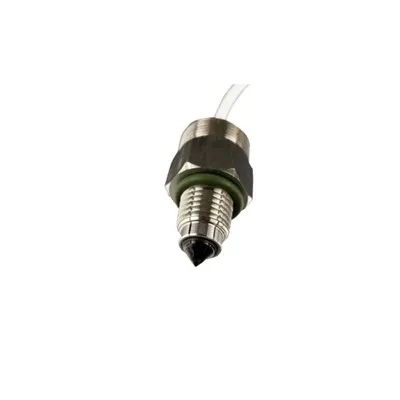
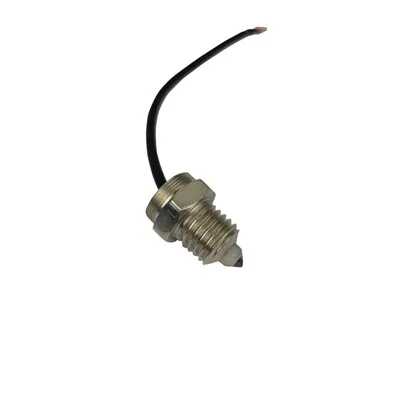
The Oxygen Depletion Sensor: The Device That Makes Indoor Use Possible
Why ODS Is the Single Most Important Safety Feature
The Oxygen Depletion Sensor is what separates a genuinely indoor-safe propane heater from a dangerous one. Understanding how ODS works is essential to understanding propane heater safety:
How Oxygen Depletion Sensors work:
| ODS Characteristic | Details |
|---|---|
| What it measures | Room oxygen concentration, continuously monitored |
| Activation threshold | Automatically shuts off gas when O₂ drops below approximately 18.5% |
| Normal room oxygen | 20.9% - well above ODS activation point |
| Why it matters | Prevents dangerous CO buildup before it occurs |
| ODS vs. CO detector | ODS prevents dangerous CO; CO detector alerts you to CO after it appears |
| Testing frequency | Test monthly per manufacturer instructions; annual professional inspection |
| Can ODS fail? | Yes - dust, age, physical damage; test monthly; replace if non-functional |
Why ODS alone is not enough: ODS is your primary electronic safety system, but it works best as part of a three-layer safety approach: a certified ODS-equipped indoor heater + adequate room ventilation + a working CO detector. ODS shuts off gas if oxygen drops. Ventilation provides fresh air to prevent oxygen depletion in the first place. CO detector alerts you to dangerous CO levels from any source - not just the heater. Together, these three layers provide comprehensive protection. Remove any one layer and your safety margin decreases.
Understanding Carbon Monoxide Risk With Propane Heaters
The Number One Hazard and How to Prevent It
Carbon monoxide (CO) is the primary danger associated with any fuel-burning heater used indoors. Propane heaters are safe indoors only when combustion is complete - and complete combustion requires adequate oxygen:
CO poisoning levels and symptoms:
| CO Level (ppm) | Exposure | Human Response |
|---|---|---|
| 0–50 ppm | Normal background | No symptoms - safe |
| 50–100 ppm | 60–90 minutes | Mild headache, slight dizziness |
| 100–200 ppm | 30–60 minutes | Moderate headache, nausea, fatigue |
| 200–400 ppm | 30–60 minutes | Severe headache, confusion, vomiting |
| 400–800 ppm | 15–30 minutes | Dizziness, collapse, loss of consciousness |
| 800–1,200 ppm | 5–15 minutes | Unconsciousness, potential death |
| Over 1,200 ppm | 1–3 minutes | Fatal |
Why CO kills silently: Carbon monoxide binds to hemoglobin in the bloodstream 200–250 times more readily than oxygen, preventing oxygen delivery to organs and tissues. The first symptoms of CO poisoning - headache, dizziness, nausea - are easily mistaken for flu, exhaustion, or food poisoning. During sleep, CO inhalation is particularly dangerous because drowsiness from CO poisoning can prevent waking before death. This is why CO detectors - not symptoms - are the critical safety tool for any space where fuel-burning equipment is used.
Indoor Ventilation Requirements for Propane Heaters
How Much Fresh Air Does a Propane Heater Need?
Proper ventilation is non-negotiable even with a certified ODS-equipped indoor propane heater. Here is what adequate ventilation actually means:
Minimum ventilation guide by room and heater size:
| Room Dimensions | Floor Area | Adequate for 5,000 BTU? | Adequate for 10,000 BTU? | Adequate for 15,000 BTU? |
|---|---|---|---|---|
| Small bedroom | 80–100 sq. ft. | ✅ Yes | ⚠️ Window + door open | ❌ Not recommended |
| Standard bedroom | 120–150 sq. ft. | ✅ Yes | ✅ Window + door open | ⚠️ Multiple vents needed |
| Small living room | 180–220 sq. ft. | ✅ Yes | ✅ Yes | ✅ Yes |
| Large room / basement | 250–400 sq. ft. | ✅ Yes | ✅ Yes | ✅ Yes |
| Bathroom | 40–80 sq. ft. | ⚠️ Use with caution | ❌ Not recommended | ❌ Never |
| Enclosed porch (poor ventilation) | Varies | ⚠️ Use with caution | ❌ Not recommended | ❌ Never |
Ventilation methods that work: The most reliable ventilation approach is to crack a window at least 2 inches and leave an interior door open to a larger, better-ventilated room. Alternatively, use the heater in a room with an operating exhaust fan, or ensure the room has active air circulation from a central HVAC system. Avoid rooms with sealed windows and no door gaps - even a small gap under an interior door provides critical oxygen supply.
The CO Detector Requirement: Non-Negotiable Indoors
Why You Must Have a CO Detector Alongside Any Propane Heater
A CO detector is not optional when using any propane heater indoors - it is a mandatory safety component:
CO detector requirements for propane heater use:
| Requirement | Specification | Notes |
|---|---|---|
| Placement | On every level of your home; inside or just outside each bedroom | At minimum, one detector near the heater and one near sleeping areas |
| Height | At eye level (5–6 feet) for best detection | CO mixes evenly with air; height matters less than for smoke |
| Battery replacement | Every 6 months | Replace batteries when you change your clocks |
| Full replacement | Every 5–7 years | Check manufacture date; sensors degrade |
| Testing | Press test button monthly | Verify alarm works |
| Type | Digital display preferred | Shows current CO level in ppm |
What to do if your CO detector alarms:
| Situation | Action |
|---|---|
| CO alarm sounds | Immediately turn off propane heater; open windows; evacuate the building |
| Feeling unwell with alarm sounding | Call 911 from outside; do not re-enter until cleared by firefighters |
| Alarm sounds and stops | Do not ignore it - have the heater inspected before further use |
| Alarm chirps (low battery) | Replace batteries immediately; do not disable the detector |
Common Mistakes That Make Propane Heaters Dangerous Indoors
What Homeowners Do That Causes CO Problems
Most propane heater CO incidents are caused by preventable user errors, not heater defects:
The five most dangerous mistakes:
| Mistake | Why It Is Dangerous | Prevention |
|---|---|---|
| Using an outdoor-only heater indoors | Produces high CO without ODS; can kill within minutes | Verify UL/CSA/ETL certification before use |
| Using propane heater in a sealed bathroom | Small room depletes oxygen quickly; no ventilation | Never use in small sealed bathrooms |
| Operating heater while sleeping | CO poisoning during sleep is particularly lethal | Never leave propane heater running unattended or while sleeping |
| Blocking room ventilation | Even certified ODS heaters need some fresh air | Keep window cracked or door open to larger room |
| Disabling or ignoring ODS | Defeats the primary safety protection | Never bypass ODS; test it monthly |
Frequently Asked Questions
Q1: Are propane heaters safe to use indoors?
Propane heaters are safe to use indoors only when they are specifically designed, certified, and labeled for indoor use. A propane heater is safe indoors when it carries a valid UL, CSA, or ETL third-party certification for indoor use, includes a functioning Oxygen Depletion Sensor (ODS), is sized appropriately for the room, is operated with adequate ventilation (cracked window or open door to a larger room), and is backed by a working CO detector. The critical distinction is between certified indoor-safe propane heaters and outdoor-only propane heaters - outdoor-only heaters produce dangerous levels of carbon monoxide in enclosed spaces and can cause death within minutes. Never use any propane heater indoors unless it explicitly states it is certified for indoor use and includes ODS technology.
Q2: Can a propane heater cause carbon monoxide poisoning?
Yes - a propane heater can cause carbon monoxide poisoning when it is used in an inadequately ventilated space or when it is not certified for indoor use. All propane combustion produces some carbon monoxide, but complete combustion with adequate oxygen produces only trace amounts (under 50 ppm, which is safe). When oxygen is insufficient - from a sealed room, a heater too large for the space, or an outdoor-only heater used indoors - combustion becomes incomplete and produces dangerous levels of CO (200–1,200+ ppm), which can cause severe poisoning and death within minutes to hours. A certified indoor propane heater with ODS automatically shuts off before dangerous CO accumulates, making CO poisoning from certified heaters rare. The most common cause of CO poisoning from propane heaters is using outdoor-only heaters indoors - not a defect in a certified indoor unit.
Q3: Can I leave a propane heater running while I sleep?
You should never leave a propane heater running while you sleep - whether it is certified for indoor use or not. Carbon monoxide poisoning from fuel-burning equipment is most dangerous during sleep because victims do not wake up to early symptoms (headache, dizziness, nausea). A working CO detector provides protection, but it is not a guarantee against harm - especially if it malfunctions, has dead batteries, or if CO levels rise faster than the detector can alert you. For sleeping spaces, use only permanently installed, professionally installed heating systems (direct-vent propane furnaces or electric heating) that are certified for bedroom use. If you need supplemental heat while sleeping, use an electric blanket or an electric space heater with automatic shutoff and tip-over protection - never a propane heater.
Q4: Do I need a CO detector if my propane heater has an ODS?
Yes - you need a CO detector even if your propane heater has an ODS. The ODS and the CO detector serve different and complementary purposes. The Oxygen Depletion Sensor shuts off the heater if room oxygen drops below approximately 18.5%, preventing dangerous CO from accumulating in the first place. A CO detector monitors the actual CO concentration in your home and alerts you if CO reaches dangerous levels from any source - including the propane heater, another fuel-burning appliance (gas stove, fireplace, furnace), a car running in an attached garage, or a blocked chimney. The ODS is your primary prevention layer; the CO detector is your backup warning system. Together they form the minimum acceptable safety configuration for any space where a propane heater is used. CO detectors cost $15–$50 and provide an irreplaceable safety margin - never operate a propane heater indoors without one.
Q5: What is the safest way to use a propane heater indoors?
The safest way to use a propane heater indoors follows a seven-step protocol: first, verify the heater is certified for indoor use - look for the UL, CSA, or ETL mark and confirm the owner's manual permits indoor use; second, confirm the heater has an Oxygen Depletion Sensor - this is the device that makes indoor use possible and safe; third, choose an appropriately sized room - a room of at least 100–120 square feet with a ceiling height of at least 8 feet; fourth, ensure adequate ventilation - crack a window at least 2 inches or leave the door open to a larger room; fifth, install a working CO detector - on the same level as the heater and near any sleeping areas; sixth, never leave the heater running unattended or while sleeping - operate only when you are awake and present; and seventh, test the ODS monthly and have the heater professionally inspected annually - ODS can fail over time. This seven-step protocol represents the minimum standard for safe indoor propane heater use.
The Bottom Line
Propane heaters are safe to use indoors when - and only when - you use the right heater, in the right space, with the right safety equipment. The right heater is one that carries a valid UL, CSA, or ETL certification for indoor use and includes an Oxygen Depletion Sensor. The right space is a room of adequate size with at least one window cracked open or a door to a larger room. The right safety equipment is a working CO detector. These three elements - certified heater, adequate ventilation, and CO detector - form the minimum safety standard for indoor propane heater use. Never use an outdoor-only propane heater indoors regardless of ventilation, never leave a propane heater running while sleeping, and test your ODS monthly. When these conditions are met, propane heaters provide a safe, effective, and economical source of supplemental heat for homes, workshops, garages, and enclosed spaces.
Last updated: July 2026
Disclaimer: This guide provides general information about propane heater indoor safety for educational purposes. Propane heater safety depends on specific product certification, correct installation, and proper use. Always verify certification and read manufacturer instructions before using any propane heater indoors. Install working CO detectors in all spaces where fuel-burning equipment is used. Consult your local fire department or building inspector for local codes governing indoor propane heater use. Never disable safety features on any propane heater. This guide is not affiliated with, endorsed by, or sponsored by any propane equipment manufacturer.