Can Propane Work at Any Outdoor Temperature? The Complete Answer
In this guide: Everything you need to know about whether propane can work at any outdoor temperature - covering propane vapor pressure limits, cold weather performance thresholds, hot weather safety, and the complete FAQ for 2026.
Can Propane Work at Any Outdoor Temperature? Quick Answer
Propane can work across a remarkably wide outdoor temperature range - from approximately -44°F to 120°F ( -42°C to 49°C ) for practical vaporization and appliance operation - but the performance within this range varies significantly, and the practical limits of your specific equipment (tank, regulator, and appliances) matter as much as the fuel itself. At the cold end, propane stops vaporizing effectively below approximately -44°F (its boiling point), and standard residential equipment becomes impractical below approximately -10°F to -20°F. At the hot end, propane tank pressure rises with temperature, and tanks are designed with pressure relief valves that handle heat up to approximately 140°F internal temperature safely. The practical answer is that propane works in virtually every inhabited climate on Earth - from arctic Alaska to desert Arizona - but successful operation in extreme temperatures requires proper equipment selection, proper tank fill management, and temperature-aware operating practices. Understanding the specific temperature limits of your system, and matching those limits to your climate, is what determines whether propane works reliably in your situation.
The Propane Temperature Range: What Propane Itself Can Handle
The Fundamental Limits of Propane Fuel
Propane has specific physical temperature limits - and understanding them separates fuel science from equipment limitations:
Propane fuel temperature limits:
| Temperature Threshold | What Happens | Practical Meaning |
|---|---|---|
| -306°F (-188°C) | Propane freezes solid | Never encountered on Earth |
| -44°F (-42°C) | Propane boiling point - stops vaporizing | Absolute lower limit for gas production |
| -10°F to -20°F (-23°C to -29°C) | Standard equipment approaches minimum function | Practical lower limit for most residential systems |
| 0°F to 20°F (-18°C to -7°C) | Reduced pressure; appliances work harder | Manageable with full tanks and proper equipment |
| 32°F to 70°F (0°C to 21°C) | Normal operating range | Full pressure and appliance performance |
| 70°F to 100°F (21°C to 38°C) | Normal pressure increase | No performance impact; normal behavior |
| 100°F to 120°F (38°C to 49°C) | Elevated pressure; still safe | Relief valve provides safety margin |
| 120°F to 140°F (49°C to 60°C) | High normal; approaches limits | Relief valve set to vent at ~250 psi |
| Above 140°F (60°C) | Pressure exceeds relief valve threshold | Relief valve vents; emergency condition |
The key distinction: Propane as a fuel is virtually indestructible by temperature within Earth-surface ranges. What temperature affects is vapor pressure, which drives appliance performance, and tank pressure, which drives safety management. Both of these are manageable through proper equipment selection and operating practices.
How Propane Systems Perform Across Temperature Ranges
From Arctic Cold to Desert Heat
Propane systems perform differently across the full temperature spectrum - understanding this performance curve helps you plan for your specific climate:
Propane system performance by temperature:
| Temperature Range | Tank Pressure | Appliance Performance | Primary Concern |
|---|---|---|---|
| Below -20°F (-29°C) | Near minimum (25–30 psi) | Unreliable; may not light | Equipment limit reached |
| -20°F to 0°F (-29°C to -18°C) | Very low (30–35 psi) | Severely reduced; high-demand apps fail | Full tank critical; warm tank required |
| 0°F to 20°F (-18°C to -7°C) | Low (35–48 psi) | Noticeably reduced; longer cooking/heating | Keep tank above 50% full |
| 20°F to 40°F (-7°C to 4°C) | Moderate (48–75 psi) | Slightly reduced; minor impact | Normal management sufficient |
| 40°F to 70°F (4°C to 21°C) | Normal (75–125 psi) | Full performance | No special concerns |
| 70°F to 100°F (21°C to 38°C) | Normal-high (125–180 psi) | Full performance | Normal hot-weather fill rules apply |
| 100°F to 120°F (38°C to 49°C) | High (180–210 psi) | Full performance | Relief valve safety margin active |
| Above 120°F (49°C) | Upper limit (210–240 psi) | Full performance | Monitor; never overfill |
Cold Weather Propane: The Practical Lower Limit
When Propane Stops Working Reliably
The practical lower limit for propane appliance operation is approximately -10°F to -20°F for most residential equipment - and the reason is a combination of physics and engineering:
Cold weather propane operational limits:
| Factor | What Happens at Extreme Cold | Why It Matters |
|---|---|---|
| Propane vapor pressure | Drops to 25–35 psi below 0°F | Regulator requires minimum pressure to function |
| Vaporization rate | Slows significantly below 20°F | Cannot supply gas fast enough for high-demand appliances |
| Regulator function | May not maintain steady output below -10°F | Pressure fluctuations cause appliance instability |
| Appliance ignition | May not light below -10°F with low-pressure systems | Full tanks and warm tanks solve most issues |
| Tank-mounted equipment | Performs better than remote regulators in cold | Tanks hold residual heat; regulators exposed to air |
| High-output regulators | Specialty regulators rated to -40°F available | Upgrade option for extreme cold climates |
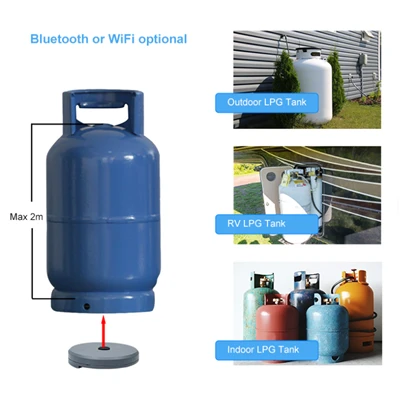
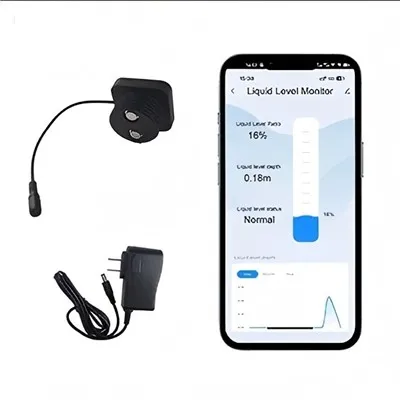
The solution for extreme cold climates: If you operate propane equipment in temperatures regularly below 0°F, three upgrades dramatically improve cold-weather performance: first, upgrade to a high-output or cold-weather-rated regulator (rated to -40°F or below) instead of the standard model (rated to approximately -20°F); second, keep tanks filled to 80–85% and never allow them to drop below 50%, because full tanks maintain pressure significantly better in extreme cold; and third, consider tank-mounted digital tank monitors that provide accurate volume readings regardless of temperature, eliminating the confusion of pressure-based gauge readings in cold weather.
Hot Weather Propane: The Practical Upper Limit
Managing Propane Safety in Extreme Heat
The practical upper limit for propane is not a performance issue - it is a safety management issue driven by tank pressure:
Hot weather propane operational limits:
| Factor | What Happens at Extreme Heat | Why It Matters |
|---|---|---|
| Tank internal pressure | Increases to 200–260 psi at 120–140°F | Relief valve (set ~250 psi) provides safety margin |
| Propane expansion | ~2.5% per 10°F temperature increase | 80–85% fill limit provides expansion space |
| Relief valve activation | Vents propane if pressure exceeds ~250 psi | Redundant safety - never reached in normal conditions |
| Overfill risk | More dangerous in heat - no expansion room | Never exceed 80–85% fill regardless of season |
| Coating degradation | Accelerated UV and heat damage to tank exterior | Inspect and maintain coating annually |
| Underground tank performance | Excellent - soil maintains 70–85°F year-round | Best choice for extreme heat climates |
Propane in Different Climate Zones
From Desert to Arctic - Does Propane Work Everywhere?
Propane works in every climate on Earth where humans live - but the specific management practices vary by climate:
Propane performance across climate types:
| Climate Type | Temperature Range | Key Challenges | Best Practices |
|---|---|---|---|
| Desert (Arizona, Nevada) | 20°F to 120°F+ | Extreme heat; pressure management | Never overfill; inspect coating; underground tank ideal |
| Hot-humid (Florida, Gulf Coast) | 30°F to 100°F | Humidity + heat accelerates corrosion | Annual coating inspection; elevated storage |
| Temperate (Midwest, Northeast) | -10°F to 100°F | Seasonal variation; freeze-thaw cycles | Full tank entering winter; spring coating check |
| Continental (Upper Midwest, Rockies) | -30°F to 95°F | Extreme cold; deep freezes | Cold-weather regulator; never let tank drop below 50%; full tank critical |
| Pacific coastal | 30°F to 85°F | Moderate but humid; salt air | More frequent coating inspection; coastal-grade equipment |
| Subtropical (South, Gulf) | 20°F to 100°F | Humidity; occasional cold snaps | Standard equipment; full tank before rare cold events |
| Arctic (Alaska, northern Canada) | -50°F to 80°F | Extreme cold; permafrost | Specialty cold-weather equipment; underground tank in permafrost areas |
Managing Propane Across the Full Temperature Range
Practical Temperature Management Year-Round
Effective year-round propane management requires different practices at different temperatures:
Year-round propane temperature management:
| Temperature Condition | Primary Concern | Key Action |
|---|---|---|
| Below 0°F (-18°C) | Severe pressure loss; possible appliance failure | Upgrade to cold-weather regulator; warm tanks before use; never let tank drop below 50% |
| 0°F to 30°F (-18°C to -1°C) | Significant pressure reduction | Full tank essential; insulated regulator cover; monitor gauge more frequently |
| 30°F to 60°F (-1°C to 16°C) | Moderate pressure reduction | Normal management; fill before cold snaps |
| 60°F to 85°F (16°C to 29°C) | Normal operation | No special concerns; standard management |
| 85°F to 105°F (29°C to 41°C) | Elevated pressure; increased coating stress | Never overfill; provide shade if possible; inspect coating |
| Above 105°F (41°C) | High pressure; near operational limits | Monitor gauge; never overfill; ensure relief valve unobstructed |
Propane Equipment Temperature Ratings
Matching Equipment to Your Climate
Propane equipment has specific temperature ratings - and using properly rated equipment for your climate is essential:
Propane equipment temperature ratings:
| Equipment | Standard Rating | Cold Weather Rating | Hot Weather Rating |
|---|---|---|---|
| Standard regulator | -20°F to 120°F | -40°F for cold-weather models | Up to 140°F internal |
| High-output regulator | -40°F to 120°F | Specialty -50°F models available | Up to 140°F |
| Relief valve | -40°F to 200°F | Standard on all tanks | Vents at ~250 psi |
| Propane gauge | Varies by model | Some freeze in extreme cold | Most handle 120°F+ |
| Gas line (flexible) | -40°F to 140°F | Standard for most installations | Keep shaded from direct sun |
| Gas line (rigid steel) | -50°F to 200°F+ | Excellent cold performance | Excellent hot performance |
| OPD (overfill protection) | -40°F to 140°F | Not affected by cold | Not affected by heat |
| Tank body (steel) | -50°F to 200°F | Excellent | Designed for hot climates |
Frequently Asked Questions
Q1: What is the lowest temperature propane can work at?
The lowest temperature at which propane itself continues to vaporize is approximately -44°F (-42°C), which is propane's boiling point - below this temperature, propane becomes a solid and cannot produce any vapor. However, the practical lower limit for residential propane appliances is approximately -10°F to -20°F (-23°C to -29°C), because standard regulators, gas lines, and burners are designed for operation above this range and begin to fail below it. In extreme northern climates where temperatures regularly drop below -20°F, the standard approach is to use high-output or cold-weather-rated regulators (rated to -40°F or below), keep propane tanks filled to 80–85% at all times (never below 50%), store portable tanks indoors when not in use to keep them warmer, and use tank-mounted systems rather than remote regulators where possible, because the tank itself retains some residual heat that helps maintain pressure. With these adaptations, propane systems can operate reliably in temperatures as low as approximately -40°F - which covers virtually all inhabited areas of North America. Below -40°F, specialty equipment and heated storage become necessary.
Q2: What is the highest temperature propane can work at?
Propane tanks are designed and tested to operate safely in direct summer sunlight at temperatures that raise internal tank temperatures to approximately 120–140°F (49–60°C). This covers virtually all outdoor temperatures encountered on Earth - the highest recorded surface temperature on Earth is 134°F (56.7°C) at Death Valley, which is within the range that propane tanks handle safely. The safety mechanism that makes high-temperature operation possible is the pressure relief valve, which is set to activate at approximately 250 psi - well above the approximately 220–260 psi that propane generates at the highest temperatures a tank can realistically reach in direct sun. The practical upper limit for propane operation is therefore determined by the tank's pressure relief valve setting, not by the propane itself. The key management practice for hot-weather propane is simple and absolute: never overfill the tank beyond 80–85% of capacity, because a full tank has no room for propane to expand as it heats, and overfilling in summer heat is the only scenario that can create genuinely dangerous pressure in a propane tank.
Q3: Does propane work better in hot or cold weather?
Propane works better in hot weather from a pure pressure and vaporization standpoint - warm temperatures generate higher vapor pressure, which means better gas flow to appliances and more consistent performance. However, hot weather introduces its own management requirements, primarily around tank pressure and fill levels. Cold weather makes propane systems work harder because reduced vapor pressure limits gas flow to appliances, which means burners produce smaller flames, furnaces run longer to achieve the same heat output, and grills require significantly longer preheat times. The practical answer depends on your specific situation: if you are in a hot climate, propane performs reliably but requires careful fill management to prevent overpressure in extreme heat; if you are in a cold climate, propane performs less efficiently but remains fully functional with proper tank management (keeping tanks above 50% full) and appropriate equipment (a cold-weather-rated regulator for temperatures below 0°F). Both hot and cold extremes are manageable - the key is matching your equipment to your climate and managing tank fill levels appropriately for the season.
Q4: Can I use propane grill in winter?
Yes - you can use a propane grill in winter, but winter grilling requires specific adjustments to achieve the results you expect from summer grilling. The primary challenge is that a cold propane tank generates significantly lower vapor pressure than a warm one, which means the grill burners produce smaller flames and less heat output in cold outdoor temperatures. A grill that reaches 400°F in 10 minutes at 70°F ambient temperature may take 25–35 minutes to reach the same temperature at 20°F ambient temperature. The most effective winter grilling adjustments are: warm the propane tank indoors for 1–2 hours before you plan to grill - a warm tank delivers near-summer pressure levels and solves the majority of winter grilling performance problems; set up a windbreak before lighting the grill - wind is the single biggest performance killer in cold-weather grilling, and blocking it with a wall, fence, or portable screen has a more immediate impact than any other adjustment; extend your preheat time from the summer 10–15 minutes to 25–35 minutes; keep the tank above 50% full at all times in winter - a nearly empty tank in cold weather produces almost no useful heat; and use a meat thermometer throughout cooking because cold air and wind distort time-based cooking estimates and food can easily overcook before the surface looks done.
Q5: Can underground propane tanks handle extreme temperatures?
Yes - underground propane tanks handle extreme temperatures better than above-ground tanks in both hot and cold conditions, and they are an excellent choice for climates with significant temperature extremes. Underground tanks are surrounded by soil, which acts as a natural thermal buffer that moderates the tank's internal temperature regardless of surface air temperature. In extreme summer heat, when above-ground tank surfaces can reach 120–140°F in direct sun, underground tank temperatures typically remain between 70°F and 85°F (21°C and 29°C) year-round, regardless of whether the surface air temperature is 110°F or -20°F. This means underground tanks experience minimal pressure variation across all seasons, operate in the most stable pressure range year-round, and are protected from the UV exposure and freeze-thaw cycles that accelerate above-ground tank coating degradation. The primary challenges for underground tanks in extreme climates are ensuring proper burial depth to protect from frost heave in very cold climates and ensuring proper backfill and drainage to prevent water accumulation around the tank and riser in heavy-rain climates. With proper installation, underground tanks perform reliably in every climate from desert heat to arctic cold.
The Bottom Line
Propane works across an extraordinary outdoor temperature range - from approximately -44°F (where it stops vaporizing) to well above 120°F (where tank pressure becomes elevated but manageable) - and with proper equipment selection and tank management, it operates reliably in virtually every inhabited climate on Earth. The practical temperature limits are determined by your specific equipment rather than the fuel itself: standard residential propane equipment functions reliably from approximately -20°F to 110°F, and specialty cold-weather equipment extends that range down to approximately -40°F for extreme northern climates. The management practices that ensure reliable propane operation across all temperatures are consistent: never overfill the tank (80–85% maximum, which provides expansion room in heat and optimal liquid surface area in cold), keep tanks above 50% full entering cold weather (the single most important cold-weather practice), upgrade to a cold-weather regulator if you regularly operate below 0°F, and understand that your tank gauge reads pressure rather than volume, so readings change with temperature regardless of actual fuel level. With these practices and properly rated equipment, propane works - reliably, safely, and efficiently - in any outdoor temperature.
Last updated: July 2026
Disclaimer: This guide provides general information about whether propane can work at any outdoor temperature for educational purposes. Always follow your propane supplier's and local fire authority's specific installation and safety requirements. Consult your propane supplier or a licensed propane technician for advice about equipment selection for your specific climate. If you smell propane gas, turn off the gas immediately, evacuate the area, and call 911. This guide is not affiliated with, endorsed by, or sponsored by any propane equipment manufacturer.