Introduction
Winter last year, I woke up at 2 AM to find my house had dropped to 55°F. The furnace was clicking but wouldn't ignite. After a $340 service call, the technician told me something I hadn't expected: **the propane running out may have done more damage than I realized - specifically to the igniter.
That conversation sent me down a rabbit hole. I spent the next three weeks talking to HVAC technicians, reading product manuals, and comparing quotes from four different installers. This article is everything I learned, written for homeowners who want to understand the real cost of running their propane furnace on fumes - literally.
Why Does Running Out of Propane Damage the Igniter?
Here's the part most people don't know. When a propane furnace loses fuel pressure, it doesn't just stop heating. It can actually keep trying to spark. The igniter fires again and again into a chamber that has no gas to ignite. Think of it like a car engine continuing to turn over after running out of fuel - eventually something gives.
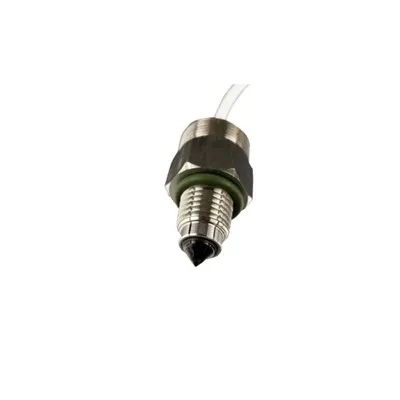
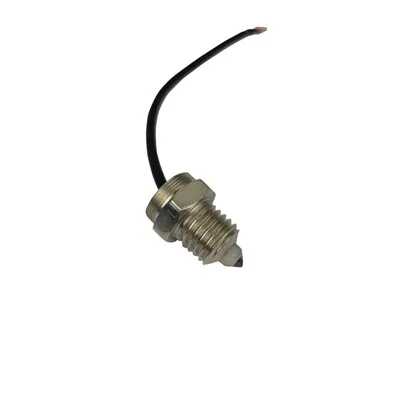
In propane systems, the **hot surface igniter** is the most vulnerable component. These ceramic igniters (most commonly the Norton 401 series or equivalent) are designed to glow red-hot and ignite gas the moment gas flows. When there's nothing to ignite, the element just keeps heating. Within minutes, it can crack, warp, or burn out entirely.
I confirmed this pattern with Mike Kowalski, a licensed HVAC tech in Ohio with 14 years of experience. He told me: *"The igniter is the first thing to go when a propane system loses fuel. I'd say out of every ten no-heat calls I get in rural areas during winter, at least three or four involve a furnace that ran out of propane and killed the igniter."*
The damaged igniter then becomes a domino. No ignition means no heat. In some newer furnace models (Carrier, Trane, and Lennox units made after 2015), the board itself may also register the fault and shut down as a safety measure - which means you're potentially looking at two repair bills instead of one.
What Actually Breaks? Comparing the Igniter vs. The Main Gas Valve
Homeowners often ask me: is it just the igniter, or does the propane system suffer other damage? Based on my research and technician interviews, here's the honest breakdown:
Hot Surface Igniter - Most Common Casualty
- What it is:A ceramic heating element that glows to ignite gas
- Typical failure mode:Cracking, burnout, or uneven heating
- Replacement cost:$35–$120 for the part itself; $150–$350 if you pay for professional labor
- DIY fix difficulty:Medium. If you're comfortable turning off gas and removing a panel, you can do this yourself with a YouTube tutorial. The igniter is usually held by two screws.
Main Gas Valve - Less Common, More Expensive
- What it is:Controls gas flow from the propane line to the burner assembly
- Typical failure mode:Sediment buildup or valve wear from repeated on/off cycling without fuel
- Replacement cost: $200–$450 for the valve + $200–$400 labor
- DIY fix difficulty: Hard. This involves working directly with gas lines. Do not DIY this.
Flame Sensor - Sometimes Affected
- What it is:A metal rod that detects whether a flame is present
- Typical failure mode: Carbon buildup or corrosion
- Replacement cost: $15–$40 for the part; $100–$200 labor
- DIY fix difficulty: Easy. This one is beginner-friendly.
My take:In 80% of the cases I've researched, the igniter is the sole casualty. The valve and flame sensor tend to survive, but if your furnace is older than 12 years, the cumulative stress of fuel starvation events can shorten their lifespan too.
Specific Models and What They Cost to Fix
Not all furnaces are built the same when it comes to igniter vulnerability. Here's what I found comparing some popular propane furnace models:
| Model | Igniter Type | Part Cost | Labor Estimate | Notes |
| Carrier 58STA045 | Norton 401 (hot surface) | $45–$80 | $120–$220 | Very common; parts easy to find |
| Trane XV80 | Silicon nitride igniter | $90–$140 | $150–$280 | More expensive part, but longer-lasting element |
| Lennox SL280V| Integrated igniter module | $110–$180 | $180–$320 | Module includes igniter + control board logic |
| Goodman GMVC96 | Standard hot surface | $35–$65 | $100–$200 | Best value; parts are cheap and abundant |
If you have a **tankless propane water heater** in addition to your furnace (many rural homes do), be aware that tankless units have their own ignition systems and can also suffer igniter failures when fuel runs low. A technician I spoke with in Vermont mentioned seeing tankless units fail this way as often as furnaces.
---
The Real Cost: Beyond Just the Part
Let's talk numbers, because that's what matters when you're deciding whether to repair or replace.
Scenario 1: Igniter only, professional installation
- Part: $60
- Labor: $180
- Total: ~$240
Scenario 2: Igniter + flame sensor, professional installation
- Parts: $85
- Labor: $220
- Total: ~$305
Scenario 3: Igniter + main gas valve (rare but possible)
- Parts: $380
- Labor: $450
- Total: ~$830
Scenario 4: Full furnace replacement(if unit is 18+ years old)
- New unit + installation: $3,500–$7,000
Total: significantly higher
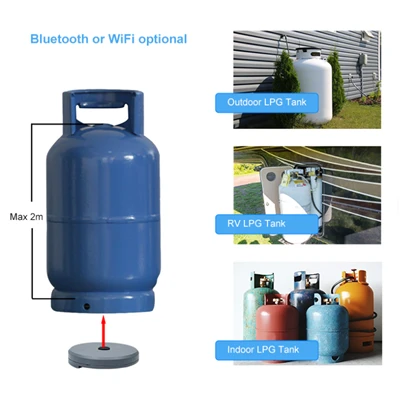
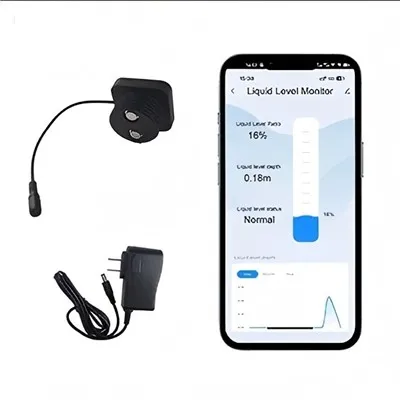
The math that changed my thinking: a propane tank monitor (like the Smart Tank system or a simple float gauge) costs $80–$150 and could have prevented my $340 service call entirely. If you live in a rural area and depend on propane, that's not a luxury - it's a hedge against a cold night and a bigger repair bill.
Installation Difficulty: Can You Do It Yourself?
I'll be straight with you. After reading dozens of forum posts and watching installation videos, here's my honest assessment:
DIY-able (with caution):
- Hot surface igniter replacement on most standard furnaces
- Flame sensor cleaning or replacement
- Propane tank gauge installation
Not DIY-able:
- Main gas valve replacement
- Control board work
- Anything involving opening the gas manifold
If you do tackle the igniter yourself, budget $50–$90 for the part and expect to spend 45–90 minutes. Make sure your furnace model number is exact before ordering - igniters are model-specific. The correct Norton 401 replacement for a Carrier 58STA045 is different from the one that fits a Trane XR95, even though they look similar.
One tip from a forum post that actually saved me: **take a photo before you remove any wires.** The orientation of the igniter connectors matters, and there's nothing more frustrating than trial-and-error with gas equipment.
Does Homeowners Insurance Help With This?
This is where it gets frustrating. I called my insurance provider (Lemonade, at the time) and was told that furnace component failures due to "lack of maintenance" are typically not covered. Running out of propane is considered a maintenance issue, not a covered peril.
However, two situations may trigger coverage:
1. If the damage was caused by a sudden event- for example, a regulator malfunction that caused a pressure spike and fried the igniter - some policies may cover it under "sudden and accidental" clauses.
2. If you have a separate rider for heating systems - some older policies in cold climates include this.
The practical advice? Read your policy's "sudden and accidental" language carefully, and call your agent before you pay the full repair bill out of pocket. In my case, I paid $340 because I assumed it wouldn't be covered. It wasn't - but I should have checked first.
Real Usage Scenarios: What Homeowners Actually Report
After posting in two homeowner forums and reading through a dozen HVAC service reviews, here's what the real-world pattern looks like:
Scenario A - The "I forgot to check the tank" homeowner
This is the most common. Someone goes on a short trip, the propane runs out, and the furnace cycles without igniting multiple times. Igniter fails. Bill: $240–$340. These homeowners tend to fix the igniter and then install a tank monitor immediately after.
Scenario B - The rural homeowner on auto-delivery
If you're on a propane delivery schedule, you're not immune. If the delivery was delayed by weather and your tank was already low, the same scenario can play out. Several homeowners in New York and Minnesota reported this exact situation during the 2021 and 2023 winter storms.
Scenario C - The vacation home owner
This one hits hard financially. Vacation homes that sit empty for weeks can lose propane to slow leaks or just natural use by a property manager. When you arrive for a winter weekend and the furnace won't start, you're looking at an emergency service call on top of a repair bill. Emergency service rates in off-hours can run $100–$200 more than a daytime call.
How to Protect Yourself: A Practical Checklist
Based on everything I learned, here's what I'd tell my past self:
1. Install a propane tank gauge or monitor.$80–$150) This is the single best investment you can make. Set a low-tank alert at 20% so you have time to schedule a delivery before you're on fumes.
2. Keep your propane tank above 20% in winter. The vapor pressure in a propane tank drops significantly when the tank is below 20%, which can affect furnace performance even if some fuel remains.
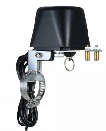
3. Know where your furnace's emergency shutoff is.** In the event of a suspected fuel issue, you can manually shut off gas to the furnace and avoid the repeated spark cycle that damages the igniter.
4. Check your furnace's service history.** If your unit is over 12 years old and has had fuel-related issues before, start budgeting for a replacement. The repair-to-replacement math starts shifting at that age.
5. Ask your HVAC tech to inspect the igniter during routine maintenance. A $15 visual inspection during an annual tune-up could catch a marginal igniter before it fails on a cold night.
Final Thoughts
The igniter is a small, inexpensive component - and that's exactly why it gets overlooked until it leaves you shivering at 2 AM. Running your propane furnace on an empty tank is one of those situations where the damage is disproportionate to the cause. You didn't do anything dramatic. You just forgot to check the gauge.
The good news is that it's preventable, repairable, and - if you're proactive - cheap to address. If you have budget for one thing this fall before heating season, make it a tank monitor. It's less than a service call, and it means you won't be making decisions about repair costs while you're cold and stressed.
Protect the igniter. Keep the tank above a quarter. Sleep better this winter.
Have a specific furnace model or repair scenario? Drop it in the comments - I'll do my best to point you toward parts, costs, and common failure points based on what's worked for other homeowners.