How to Know If Your Propane Tank Is Overfilled: Complete Safety Guide
Published: July 15, 2026 | Reading Time: 8 minutes
TL;DR Quick Answer
How to know if your propane tank is overfilled: Look for these 5 warning signs: (1) strong rotten egg smell near the tank, (2) hissing sound from the valve, (3) frost or ice on the tank surface, (4) tank feels unusually heavy, or (5) relief valve has opened. An overfilled tank is dangerous-propane should only fill 80% of the tank capacity. If you suspect overfilling, evacuate the area and call a propane professional immediately.
Introduction
Propane tanks are essential for grilling, heating, and powering appliances in homes across America. But did you know that an overfilled propane tank can become a serious safety hazard? When a tank is filled beyond its safe limit, the liquid propane inside has no room to expand-and that can lead to leaks, fires, or even explosions.
In this guide, we'll explain exactly how to know if your propane tank is overfilled, what causes overfilling, how to check your tank level, and what steps to take if you discover a problem. Whether you're a homeowner with a grill tank or managing a larger propane system, this information could prevent a dangerous situation.
Why Propane Tanks Should Never Be 100% Full
Before we discuss the warning signs, it's important to understand why propane tanks have a fill limit in the first place.
The 80% Fill Rule Explained
All propane tanks should only be filled to 80% of their total capacity. This isn't a suggestion-it's a critical safety requirement. Here's why:
Propane expands when heated. For every 10°F temperature increase, propane expands by approximately 1.5%.
Liquid propane needs headspace. Without room to expand, pressure builds rapidly inside the tank.
Pressure can exceed safety limits. An overfilled tank exposed to sunlight or warm temperatures can develop dangerous pressure levels.
What happens when a tank is 100% full:
| Scenario | Risk Level | Potential Outcome |
|---|---|---|
| Tank sits in direct sunlight | High | Pressure builds, relief valve may open |
| Tank warms up during transport | Moderate | Propane expands, stressing tank walls |
| Tank stored in hot garage | High | Significant pressure increase, possible leak |
| Tank exposed to fire nearby | Extreme | Rapid expansion, possible tank rupture |
5 Warning Signs Your Propane Tank Is Overfilled
Knowing these signs could save your life. If you notice any of the following, treat it as an emergency.
1. Strong Propane Odor (Rotten Egg Smell)
Propane is naturally odorless, but manufacturers add ethyl mercaptan-a chemical that smells like rotten eggs or sulfur-so leaks can be detected.
What it means when you smell propane near your tank:
Liquid propane may be escaping through the relief valve
Excess pressure has forced the safety valve to open
A connection or seal has failed due to overfilling
Action: If the smell is strong, evacuate the area immediately. Do not use electrical switches, phones, or anything that could create a spark. Call your propane supplier or fire department from a safe distance.
2. Hissing Sound from the Valve
A hissing or whistling noise coming from your propane tank's valve area indicates that gas is actively escaping.
Common causes:
The pressure relief valve has opened to vent excess propane
The Overfill Protection Device (OPD) was bypassed during filling
A valve connection has loosened under pressure
Action: Move away from the tank and contact a professional. Do not attempt to tighten or repair the valve yourself.
3. Frost or Ice Formation on Tank Surface
Under normal conditions, a propane tank might feel cool to the touch due to vaporization. However, visible frost or ice is a red flag.
Why this happens with overfilled tanks:
Liquid propane forced into the vapor space vaporizes rapidly
This rapid vaporization absorbs significant heat
The tank surface temperature drops below freezing, causing frost
Action: If frost covers a large portion of the tank, especially during normal use or warm weather, the tank is likely overfilled. Stop using it and have it inspected.
4. Tank Feels Unusually Heavy
An overfilled tank weighs more than it should because it contains more liquid propane than the safe limit.
How to check by weighing:
Find the tare weight (TW) stamped on the tank collar-this is the empty tank weight
Weigh the tank on a bathroom scale or propane scale
Calculate the propane amount: Total Weight - Tare Weight = Propane Weight
Compare to the safe limit (80% of tank capacity)
Example calculation for a standard 20 lb grill tank:
code复制
Tare Weight (TW): 17.0 lbs (stamped on collar) Current Total Weight: 38.5 lbs Propane Amount: 38.5 - 17.0 = 21.5 lbs Safe Limit for 20 lb tank: 16 lbs (80%) Result: TANK IS OVERFILLED by 5.5 lbs
Quick reference for common tank sizes:
| Tank Size | Tare Weight Range | Safe Fill Amount | Max Total Weight |
|---|---|---|---|
| 20 lb (grill) | 16-18 lbs | 16 lbs | 32-34 lbs |
| 30 lb (RV) | 22-25 lbs | 24 lbs | 46-49 lbs |
| 40 lb | 27-30 lbs | 32 lbs | 59-62 lbs |
| 100 lb | 68-72 lbs | 80 lbs | 148-152 lbs |
5. Relief Valve Has Opened
The pressure relief valve is a critical safety feature designed to release propane when internal pressure exceeds safe limits.
Visual signs the relief valve has opened:
The valve poppet (small metal piece) is extended or tilted
You can see or hear propane escaping
There's discoloration or residue around the valve
Action: This is a serious emergency. The tank is under dangerous pressure. Evacuate immediately and call emergency services.
How to Check Propane Tank Fill Level: 4 Reliable Methods
Don't wait for warning signs-check your propane tank level regularly using these proven methods.
Method 1: Weigh the Tank (Most Accurate)
Best for: Portable cylinders (20 lb, 30 lb, 40 lb)
Step-by-step:
Locate the tare weight (TW) on the tank collar
Place the tank on a scale
Subtract tare weight from total weight
Result = current propane amount
Pro tip: Invest in a propane tank scale with a built-in gauge for continuous monitoring.
Method 2: The Warm Water Test
Best for: Quick visual check without tools
Step-by-step:
Fill a cup with warm (not hot) water
Pour the water slowly down the side of the tank
Wait 10 seconds
Run your hand down the tank surface
Feel for the temperature change from warm to cool
How to interpret: The cool section contains liquid propane. The warm section is empty vapor space. If the cool section extends above 80% of the tank height, it may be overfilled.
Method 3: Check the Built-in Gauge
Best for: Tanks equipped with liquid level gauges
Many larger propane tanks and some portable cylinders include a built-in gauge. Simply read the dial:
Green zone: Safe level (below 80%)
Yellow/amber zone: Getting low
Red zone: Nearly empty-or in some designs, overfilled
Note: Not all gauges are accurate. Use weighing as your primary method for confirmation.
Method 4: Smart Tank Monitors
Best for: Remote, continuous monitoring
Modern solutions include:
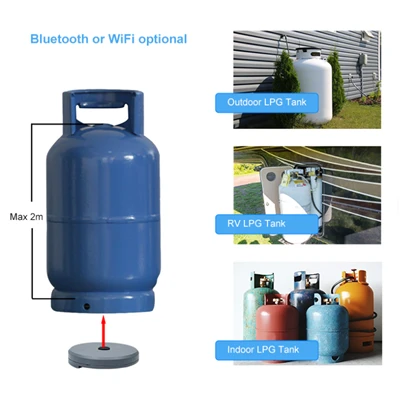
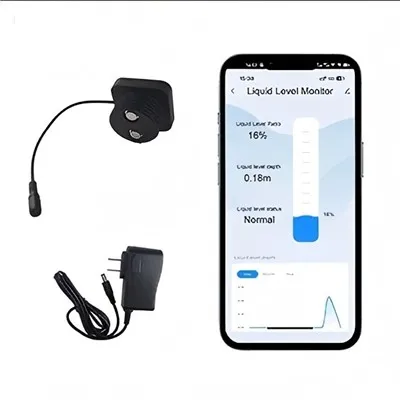
Magnetic tank sensors that stick to the bottom and send readings to your phone
Ultrasonic gauges that measure liquid level through the tank wall
Smart home integrations (Alexa, Google Home) for voice-activated level checks
What Is OPD (Overfill Protection Device)?
Definition and Purpose
The Overfill Protection Device (OPD) is a safety valve required on all propane cylinders manufactured after 1998. It automatically stops the filling process when the tank reaches 80% capacity.
How OPD Works
A float inside the tank rises as liquid propane enters
At 80% fill, the float triggers a shut-off mechanism
The fill valve closes, preventing additional propane from entering
The attendant cannot overfill the tank (under normal conditions)
How to Identify an OPD-Equipped Tank
Look for these indicators:
Triangular handwheel on the valve (instead of round)
"OPD" letters stamped on the valve body
Manufacture date after 1998 (stamped on tank collar)
Why OPD Doesn't Guarantee Safety
Even with OPD, tanks can still be overfilled if:
The filling station uses outdated equipment
An attendant manually bypasses the OPD
The OPD mechanism is faulty or damaged
Always verify that the filling station uses OPD-compliant equipment and never allow anyone to "top off" your tank.
What to Do If Your Propane Tank Is Overfilled
Immediate Steps
Evacuate the area - Move at least 50 feet away from the tank
Eliminate ignition sources - No flames, sparks, electrical switches, or phones
Call a propane professional - Licensed technicians can safely bleed off excess propane
Contact your fire department - If you cannot reach a propane company quickly
What NOT to Do
| ❌ Never Do This | Why It's Dangerous |
|---|---|
| Open the valve to release propane | Creates fire and explosion hazard |
| Pour water on the tank | Temperature shock can damage the tank |
| Try to transfer propane yourself | Requires specialized equipment |
| Ignore the problem | Pressure will continue building |
| Attempt to repair the valve | Could damage safety components |
Professional Bleed-Off Process
A certified propane technician will:
Transport the tank to a safe, open location
Connect vapor recovery or venting equipment
Slowly release excess propane until 80% level is reached
Inspect the relief valve, OPD, and seals
Recertify the tank if necessary
Propane Tank Safety Best Practices
Preventing Overfilling
Only use certified propane dealers - Avoid swap stations that don't follow proper procedures
Request partial fills - Ask for 70-75% if you're concerned
Watch the filling process - Ensure the attendant checks the OPD
Inspect after filling - Check for leaks, hissing, frost, or unusual weight
Safe Storage
Store tanks outdoors in well-ventilated areas
Keep tanks upright at all times
Maintain 10+ feet from ignition sources
Never store in basements, crawlspaces, or enclosed vehicles
Protect from direct sunlight when possible
Regular Maintenance
Recertify tanks every 12 years - Check the manufacture date on the collar
Inspect monthly - Look for rust, dents, valve damage
Test for leaks - Apply soapy water to connections; bubbles indicate leaks
Replace damaged tanks immediately - Never use a compromised tank
Frequently Asked Questions
Can an overfilled propane tank explode?
Yes. When a propane tank is overfilled, the liquid propane has no room to expand. If the tank is exposed to heat (sunlight, warm weather, fire), pressure can build rapidly. This can cause the relief valve to fail, the tank to rupture, or propane to leak and ignite.
How full should a propane tank be after filling?
A propane tank should be filled to 80% of its total capacity. For a standard 20 lb grill tank, this means approximately 16 lbs (about 4.7 gallons) of propane.
What does it mean when the relief valve opens?
The relief valve opens when tank pressure exceeds safe limits. This is a safety feature designed to prevent tank rupture. If your relief valve has opened, the tank is either overfilled, overheated, or both. This is an emergency-evacuate and call a professional.
How accurate are propane tank gauges?
Built-in gauges vary in accuracy. Some are reliable, while others may give false readings. The most accurate method is weighing the tank and comparing to the tare weight. Use gauges as a general reference, but verify with weighing when precision matters.
Why do propane exchange tanks sometimes feel half empty?
Propane exchange programs (like those at grocery stores) typically fill tanks to only 15 lbs instead of the full 17-18 lbs. This is legal but means you're getting less propane than a proper fill at a propane dealer. Always check the weight if possible.
How do I find the tare weight of my propane tank?
The tare weight (TW) is stamped on the tank collar-the metal ring around the valve. Look for "TW" followed by a number (e.g., "TW 17.0"). This number represents the empty weight of the tank in pounds.
Conclusion
Knowing how to identify an overfilled propane tank is essential for anyone who uses propane at home. The five warning signs-rotten egg smell, hissing valve, frost on the tank, unusual weight, and open relief valve-should never be ignored.
Remember: propane tanks should only be filled to 80% capacity. Use weighing, the warm water test, or built-in gauges to check your levels regularly. If you suspect overfilling, evacuate and call a professional immediately.
By following safe filling practices, storing tanks properly, and performing regular inspections, you can use propane confidently and keep your home and family safe.
Need Help?
Propane Emergency Hotline: 1-800-244-5736
National Propane Gas Association: npga.org
If you smell propane now: Evacuate immediately. Do not use phones or electrical devices near the tank. Call 911 or your propane supplier from a safe location.
This article is for informational purposes. Always consult certified propane professionals for tank inspections, repairs, and emergencies. Follow all local codes and manufacturer guidelines.
Related Articles:
How to Store Propane Tanks Safely
Propane Tank Recertification Guide
Propane Tank Sizes: Which One Do You Need?
How to Check for Propane Leaks