How to Run 2 Propane Tanks Together? Complete Guide to Dual Propane Tank Setup for RVs and Grills
Everything You Need to Know About Connecting Two Propane Tanks Together-Dual Tank Systems, Auto-Changeover Regulators, Manual vs Automatic Switching, Installation Guide, Safety Considerations, and Best Practices for Extended Propane Supply
Introduction: Double Your Propane, Double Your Peace of Mind
Running out of propane is one of the most frustrating experiences for RV owners and grilling enthusiasts. Whether you're on a long camping trip or hosting a backyard barbecue, having a dual propane tank system ensures you never run out unexpectedly. Learning how to run 2 propane tanks together is a game-changer that provides extended runtime, convenience, and peace of mind.
Why run 2 propane tanks together:
⏱️ Extended Runtime - Double your propane supply
🔄 Automatic Switchover - Never interrupt cooking or heating
🛡️ Backup Supply - Always have reserve tank
💰 Cost Efficiency - Buy propane in bulk, refill less often
🚐 Essential for RVs - Critical for heating, cooking, hot water
🍖 Perfect for Grilling - Long smoking sessions without worry
📋 Convenience - Less frequent refills and tank swaps
This comprehensive guide covers:
What is a dual propane tank system
Types of dual tank setups
Auto-changeover vs manual switching
How to install dual tank system
Required components and tools
Step-by-step installation guide
Safety considerations
Troubleshooting common issues
Best practices
Frequently asked questions
Part 1: Understanding Dual Propane Tank Systems
What Is a Dual Propane Tank System?
A dual propane tank system connects two propane tanks to a single regulator, allowing you to:
Draw from both tanks simultaneously (rare, requires special setup)
Use one tank at a time with automatic switchover (most common)
Manually switch between tanks (budget option)
Benefits of Running 2 Tanks Together
1. Extended Propane Supply:
Single 30 lb tank: ~7.1 gallons
Dual 30 lb tanks: ~14.2 gallons
Single 40 lb tank: ~9.5 gallons
Dual 40 lb tanks: ~19 gallons
Result: 2x the runtime, half the refills
2. Automatic Backup:
Never run out unexpectedly
Automatic switchover (with auto-changeover regulator)
Continuous supply without interruption
3. Convenience:
Refill one tank while using the other
Less frequent propane station visits
Perfect for long trips or extended use
4. Safety:
Always have backup tank
Reduce risk of running out in cold weather
Never stranded without heat
Common Applications
RVs and Trailers:
Travel trailers
Fifth wheels
Motorhomes
Truck campers
Essential for heating, cooking, hot water, refrigerator
Residential:
Home heating backup
Generators
Outdoor kitchens
Commercial:
Food trucks
Catering operations
Outdoor events
Grilling and Smoking:
Long smoking sessions (12+ hours)
Large gatherings
Commercial grilling
Part 2: Types of Dual Propane Tank Setups
Setup Type 1: Automatic Changeover System (Recommended)
What It Is: A specialized regulator that automatically switches from empty tank to full tank without manual intervention.
How It Works:
Connect both tanks to regulator
Open both tank valves
Regulator draws from primary tank first
When primary tank empties, regulator automatically switches to reserve tank
Indicator shows when tank is empty
Pros:
✅ Fully automatic
✅ No interruption in service
✅ Visual indicator shows tank status
✅ Most convenient option
✅ Never forget to switch tanks
Cons:
❌ Higher cost ($50-100 for regulator)
❌ More complex installation
❌ Requires specific regulator type
Cost: $50-100 for auto-changeover regulator + $20-40 for hoses
Setup Type 2: Manual Changeover System
What It Is: Two tanks connected via a T-fitting or dual regulator with manual valve switching.
How It Works:
Connect both tanks to regulator
Open one tank valve (close other)
When first tank empties, manually close its valve
Open second tank valve
Continue operation
Pros:
✅ Lower cost ($20-50 total)
✅ Simple installation
✅ No special regulator needed
✅ Good for infrequent use
Cons:
❌ Requires manual switching
❌ Can forget to switch tanks
❌ May have brief interruption when switching
❌ Need to monitor tank levels closely
Cost: $20-50 for hoses and fittings
Setup Type 3: Parallel Flow System (Both Tanks Simultaneously)
What It Is: Both tanks feed into system at same time, drawing equally from both.
How It Works:
Both tanks connected via manifold
System draws from both tanks simultaneously
Tanks empty at same rate
Pros:
✅ Balanced tank usage
✅ Lower pressure per tank
Cons:
❌ Both tanks empty together
❌ No backup when both empty
❌ Requires both tanks to be full for optimal performance
❌ Not recommended for most applications
Recommendation: NOT recommended for RV or typical use
Part 3: Required Components for Dual Tank Setup
Components List
For Automatic Changeover System:
| Component | Purpose | Cost |
|---|---|---|
| Auto-Changeover Regulator | Automatic tank switching | $50-100 |
| Dual Propane Hoses (2x) | Connect tanks to regulator | $15-30 each |
| Pigtails (if needed) | Connect to regulator outlet | $10-20 |
| T-Adapter (optional) | Split output if needed | $10-15 |
| Propane Leak Detector Solution | Check for leaks | $5-10 |
| Total | $90-175 |
For Manual Changeover System:
| Component | Purpose | Cost |
|---|---|---|
| Standard Regulator (or dual-port) | Pressure regulation | $15-30 |
| Dual Propane Hoses (2x) | Connect tanks to regulator | $15-30 each |
| T-Fitting | Combine tank lines | $10-15 |
| Ball Valves (optional) | Manual tank control | $10-20 each |
| Propane Leak Detector Solution | Check for leaks | $5-10 |
| Total | $50-105 |
Recommended Auto-Changeover Regulators
Popular Models:
Marshall Excelsior MEGR-2535 Auto-Changeover Regulator
Price: $60-80
Flow rate: 345,000 BTU/hr
Popular for RVs
Reliable performance
Camco 59133 Automatic Changeover Regulator
Price: $50-70
Flow rate: 160,000 BTU/hr
Easy installation
Good for smaller setups
Fairview 53N84-1 Automatic Switchover
Price: $70-90
High flow rate
Commercial grade
Durable construction
Tools Needed
For Installation:
Adjustable wrench (or propane fittings wrench)
Pipe thread sealant (propane-rated)
Leak detector solution (or soapy water)
Spray bottle (for leak testing)
Safety glasses
Work gloves
Part 4: Step-by-Step Installation Guide
Installing Automatic Changeover System
Time Required: 30-60 minutes
Skill Level: Intermediate (or hire professional)
⚠️ SAFETY FIRST:
Work in well-ventilated area
No open flames or sparks nearby
Turn off all appliances
Close both tank valves
Have leak detector ready
Step 1: Prepare the Area:
Park RV on level ground
Turn off all propane appliances
Close valves on both propane tanks
Allow appliances to cool if recently used
Step 2: Remove Existing Regulator:
Locate current regulator
Disconnect from propane tank(s)
Disconnect from appliance supply line
Remove mounting hardware
Save mounting brackets if reusing
Step 3: Mount Auto-Changeover Regulator:
Position regulator near propane tanks
Mount to RV frame or dedicated bracket
Ensure regulator is level
Face indicator where visible
Secure with mounting hardware
Mounting Tips:
Regulator should be higher than tank connections
Allow space for hoses
Indicator should be easily visible
Protect from road debris (under RV)
Step 4: Connect Hoses from Tanks to Regulator:
Connect hose from Tank 1 to regulator's "Primary" port
Connect hose from Tank 2 to regulator's "Reserve" port
Hand-tighten first, then wrench-tighten (1/4 to 1/2 turn)
Do NOT overtighten (can damage fittings)
Important:
Ensure hoses are not kinked
Route hoses away from sharp edges
Use hose protectors if needed
Leave slack for tank removal
Step 5: Connect Supply Line to Appliances:
Connect outlet from regulator to RV supply line
Use appropriate fittings (usually 3/8" flare)
Tighten securely
Support piping/hose
Step 6: Check for Leaks:
Close both tank valves
Open one tank valve slowly
Apply leak detector solution (or soapy water) to ALL connections
Watch for bubbles (indicates leak)
If leak found, close valve, tighten connection, retest
Leak Testing Checklist:
Tank-to-hose connections (both tanks)
Hose-to-regulator connections (both sides)
Regulator outlet connection
All fittings and adapters
Wait 5-10 minutes, recheck
Step 7: Test the System:
Open both tank valves
Light a stove burner or other appliance
Verify flame is strong and steady
Check regulator indicator (should show green or "full")
Step 8: Test Auto-Changeover:
Close primary tank valve
Burner should continue operating
Indicator should show red or "empty"
System switched to reserve tank
Open primary tank valve again
Close reserve tank valve
Burner should continue operating
System switched back to primary
✅ System is working correctly!
Installing Manual Changeover System
Time Required: 15-30 minutes
Skill Level: Beginner
Step 1: Prepare and Disconnect:
Close both tank valves
Turn off appliances
Disconnect existing regulator
Step 2: Install T-Fitting and Hoses:
Connect T-fitting to existing regulator inlet
Connect hoses from each tank to T-fitting
Tighten all connections
Step 3: Add Ball Valves (Optional but Recommended):
Install ball valve on each hose near tank
Allows isolation of each tank
Easier manual switching
Step 4: Check for Leaks:
Same process as auto-changeover
Test all connections with leak detector
Step 5: Test Operation:
Open one tank valve
Light appliance, verify operation
Close first tank, open second
Verify continuous operation
Part 5: How to Use Dual Propane Tank System
For Automatic Changeover System
Normal Operation:
Open BOTH tank valves
Regulator automatically selects primary tank
Use appliances normally
When primary tank empties, system auto-switches to reserve
Indicator shows which tank is in use
Refill empty tank at earliest convenience
Close empty tank valve, refill, reopen
Monitoring Tank Levels:
Watch indicator on regulator
Green = Primary tank has propane
Red = Primary tank empty, using reserve
Refill empty tank immediately
Best Practice:
Check indicator regularly
Refill empty tank right away
Never let both tanks get low
Keep both tanks at least 25%+ full
For Manual Changeover System
Operation Steps:
Open PRIMARY tank valve (Tank 1)
Close RESERVE tank valve (Tank 2)
Use appliances normally
When Tank 1 empties (watch for signs):
Weak flame
Appliances not working
Close Tank 1 valve
Open Tank 2 valve
Continue operation
Refill Tank 1 at earliest opportunity
Tips for Manual Systems:
Check propane levels regularly
Use propane tank gauge or monitor
Keep track of which tank is in use
Don't wait until both tanks empty
Refill immediately when tank empties
Part 6: Safety Considerations
Critical Safety Rules
⚠️ ALWAYS:
✅ Check for leaks after ANY connection work
✅ Use propane-rated sealant on threaded connections
✅ Keep tanks upright and secure
✅ Store tanks in ventilated area
✅ Close tank valves when not in use
✅ Have propane detector in RV
✅ Inspect hoses regularly for cracks or wear
✅ Replace hoses every 3-5 years
⚠️ NEVER:
❌ Use matches or lighters to check for leaks
❌ Overtighten fittings
❌ Use damaged or corroded tanks
❌ Store tanks in enclosed spaces
❌ Smoke near propane tanks
❌ Use non-propane-rated fittings or hoses
❌ Modify regulator (use as manufactured)
Leak Detection
Signs of Propane Leak:
Strong propane odor (rotten egg smell)
Hissing sound near connections
Bubbles when leak detector applied
Dead vegetation near tank
Flame that won't stay lit
If You Detect a Leak:
Do NOT panic
Close tank valves immediately
Extinguish any flames
Ventilate area
Find and fix leak
Retest before using
Emergency:
If strong smell or major leak
Leave area immediately
Call fire department
Do NOT use electronics or switches
Propane Hose Inspection
Check Hoses Every 6 Months:
Cracks or splits
Bulging or swelling
Stiffness or brittleness
Corrosion on fittings
Signs of wear from rubbing
Replace Hoses:
Every 3-5 years (even if look good)
Immediately if any damage found
After any accident or impact
Part 7: Troubleshooting Common Issues
Problem 1: System Not Switching Automatically
Symptoms:
Burner goes out when primary tank empties
No automatic switchover
Possible Causes:
Regulator malfunction
Reserve tank valve closed
Blockage in reserve line
Regulator not properly installed
Solutions:
Verify both tank valves are OPEN
Check for kinked or blocked hoses
Test regulator manually (close primary, should switch)
Replace regulator if faulty
Problem 2: Leak at Connection
Symptoms:
Propane smell
Bubbles when leak testing
Hissing sound
Possible Causes:
Loose connection
Damaged fitting or hose
Missing or worn O-ring
Cross-threaded connection
Solutions:
Close tank valve
Disconnect and inspect
Replace damaged components
Reconnect and tighten properly
Retest with leak detector
Problem 3: Weak Flame or Low Pressure
Symptoms:
Weak burner flame
Appliances not performing well
Low heat output
Possible Causes:
Regulator failing
Both tanks low or empty
Blockage in line
Incorrect regulator for appliance needs
Solutions:
Check both tank levels
Verify regulator flow rating
Inspect for blockages
Replace regulator if needed
Problem 4: Indicator Not Working
Symptoms:
Indicator doesn't change when tank empties
Indicator stuck in one position
Possible Causes:
Indicator mechanism broken
Regulator internal failure
Debris in indicator
Solutions:
Test by closing primary tank valve
If system switches but indicator stuck, replace regulator
Verify tanks have propane
Part 8: Best Practices for Dual Tank Systems
Maintenance Tips
Monthly:
Check for leaks (quick visual)
Inspect hoses for damage
Verify tank connections tight
Test appliances
Seasonally:
Full leak test all connections
Inspect regulator
Check tank condition
Replace any worn components
Annually:
Professional inspection (recommended)
Replace hoses if 3-5 years old
Check tank expiration dates
Update emergency procedures
Usage Best Practices
1. Keep Both Tanks 25%+ Full:
Never let both tanks get low
Refill at 25-30%
Always have reserve
2. Refill Empty Tank Immediately:
Don't wait until both empty
Refill right after tank empties
Rotate tank usage
3. Monitor Tank Levels:
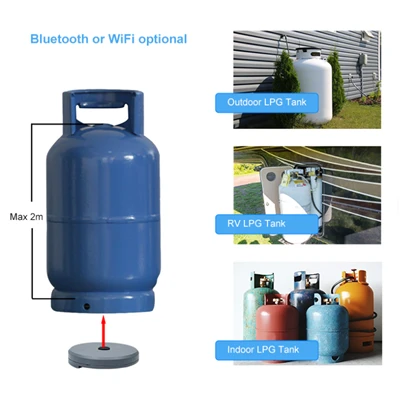
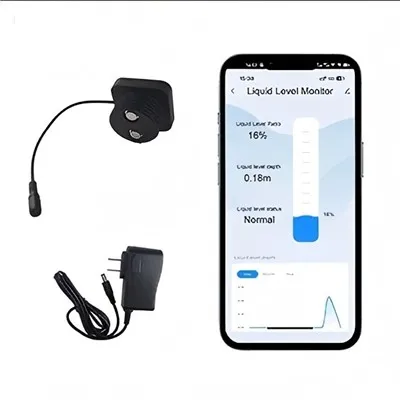
Install propane tank monitors
Check indicator regularly
Use smartphone app if available
4. Carry Extra Propane:
Small 1 lb canister for emergencies
Backup for critical situations
5. Know Your Usage:
Track propane consumption
Plan for trips accordingly
Adjust for weather conditions
Part 9: Frequently Asked Questions
Q1: How do I run 2 propane tanks together?
A: Connect both tanks to an auto-changeover regulator:
Mount auto-changeover regulator
Connect hoses from each tank to regulator
Connect regulator outlet to supply line
Open both tank valves
System automatically draws from primary tank
When primary empties, auto-switches to reserve
For manual system: Use T-fitting with ball valves on each tank line, manually open/close valves to switch tanks.
Q2: What's the difference between auto-changeover and manual switching?
A:
| Feature | Auto-Changeover | Manual Switching |
|---|---|---|
| Operation | Automatic | Manual |
| Cost | $90-175 | $50-105 |
| Convenience | High ⭐ | Medium |
| Interruption | None | Brief |
| Best For | RVs, frequent use | Occasional use |
Recommendation: Auto-changeover for RVs and regular use; manual for budget setups.
Q3: Can I run both propane tanks at the same time?
A: Not recommended for most applications. Parallel flow systems (both tanks simultaneously):
Empty both tanks at same time
No backup when both empty
Harder to manage
Better approach: Use auto-changeover to draw from one tank at a time, with automatic backup.
Q4: How do I know when to refill propane tanks?
A: Monitor tank levels:
Auto-changeover indicator: Red = primary empty
Propane tank gauges: Show approximate level
Smart monitors: Exact percentage on smartphone
Weigh tanks: Most accurate free method
Hot water method: Quick visual check
Refill when: Tank reaches 25-30% (or immediately when indicator shows empty).
Q5: Do I need a special regulator for dual tanks?
A: Yes, for automatic switching. You need:
Auto-changeover regulator for automatic switching
Dual-port regulator OR standard regulator with T-fitting for manual switching
Single-stage vs Two-stage:
Single-stage: Simpler, lower cost
Two-stage: More stable pressure, better for RVs
Recommendation: Two-stage auto-changeover regulator for RVs.
Q6: How much does it cost to set up dual propane tanks?
A:
| System Type | Components | Cost |
|---|---|---|
| Auto-Changeover | Regulator + 2 hoses + fittings | $90-175 |
| Manual Changeover | T-fitting + 2 hoses + valves | $50-105 |
| Professional Install | Parts + labor | $150-300 |
DIY saves money but requires skills. Professional installation recommended if unsure.
Q7: Can I use different size tanks together?
A: Yes, but not recommended. Different size tanks create issues:
Unequal usage rates
Confusing fuel management
Harder to track levels
Best practice: Use two identical tanks (two 30 lb or two 40 lb).
If using different sizes: Monitor levels closely, understand smaller tank will empty first.
Q8: How long will dual propane tanks last in an RV?
A: Depends on usage and tank size:
Dual 30 lb tanks (14.2 gallons total):
Winter (heavy heating): 4-7 days
Mild weather: 10-14 days
Summer (minimal heating): 14-21 days
Dual 40 lb tanks (19 gallons total):
Winter (heavy heating): 5-10 days
Mild weather: 14-21 days
Summer (minimal heating): 21-28 days
Track your usage to get accurate estimates for your situation.
Q9: Is it safe to leave both tank valves open?
A: Yes, with auto-changeover regulator:
Designed for both valves open
Regulator manages tank selection
Safe and recommended operation
With manual system:
Only ONE valve open at a time
Prevents both tanks emptying together
Requires active management
Q10: What if my auto-changeover regulator fails?
A: Troubleshooting steps:
Verify both tank valves are OPEN
Check for kinked or blocked hoses
Test by closing primary tank valve manually
Listen/look for switch to reserve tank
If doesn't switch, regulator may be faulty
If regulator fails:
Can manually bypass (close empty tank, open reserve)
Replace regulator as soon as possible
Contact manufacturer if under warranty
Carry backup regulator for extended trips.
Conclusion: Mastering Dual Propane Tank Systems
Running 2 propane tanks together is one of the best upgrades you can make for your RV or grilling setup.
Key Takeaways:
Dual tanks double your propane supply - Extended runtime, less refills
Auto-changeover is recommended - Automatic switching, no interruption ($90-175)
Manual changeover is budget-friendly - $50-105, but requires active management
Installation is DIY-friendly - 30-60 minutes for auto-changeover
Safety is paramount - Always leak test, never use matches to check leaks
Maintain your system - Regular inspections, replace hoses every 3-5 years
Monitor tank levels - Use gauges or smart monitors, refill at 25-30%
Keep both tanks 25%+ full - Never let both tanks get low
Know your usage - Track consumption for better planning
Have backup plan - Extra propane, spare regulator, manual bypass knowledge
The bottom line: A properly installed dual propane tank system provides peace of mind, convenience, and reliability. Whether you choose automatic or manual switching, the investment pays off in never running out of propane unexpectedly.**
Last Updated: July 2026
Complete Guide: How to Run 2 Propane Tanks Together?
Disclaimer: Propane is flammable and requires careful handling. If you're unsure about installation, hire a licensed professional. Always follow manufacturer instructions and local codes. If you smell propane strongly, leave the area and call emergency services.