The Moment I Almost Froze My Pipes - And What It Taught Me
I still remember that January morning in upstate New York when the temperature outside dropped to -28°F with the wind chill. My neighbor Steve knocked on my door at 6 AM, genuinely worried - he could see frost forming on the inside of my windows. My propane furnace, which had been running continuously for three days straight, finally gave out. Not the furnace itself, but the propane line. Turns out, at those temperatures, propane doesn't vaporize efficiently enough to reach the burners, and I was left with nothing but cold air blowing through the vents.
That was the wake-up call. I spent the next six months researching heating options, talking to contractors, and ultimately switching my home to an oil heat system. Was it the right call? The honest answer is: it depends. But after living with both systems through multiple brutal winters, I have some real opinions I'm going to share with you.
This is the question I see homeowners in cold climates asking all the time, and the answer isn't as simple as Googling "which is cheaper." It comes down to your specific situation - where you live, how your home is insulated, what kind of budget you're working with, and whether you can tolerate certain types of breakdowns.
The Real Problem With Propane in Deep Cold
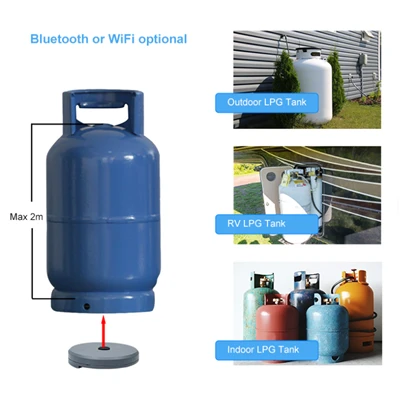
Here's something the propane companies won't tell you up front: propane has a vaporization problem in extreme cold. Propane is stored as a liquid under pressure, and it needs to absorb heat from its surroundings to turn into the gas that actually burns in your furnace. When the temperature drops below about -20°F, the liquid propane simply can't draw enough heat from the tank walls to vaporize properly.
I learned this the hard way. Multiple neighbors in my area, which sees lows of -30°F or worse every few years, reported the same issue: their propane systems were running but producing weak or inconsistent heat. Some had to use external tank heaters to keep things running, which added to their energy bills and created new points of failure.
Propane's efficiency also drops as temperatures fall. While propane burns hotter than heating oil (about 1,970 BTU per cubic foot versus around 140,000 BTU per gallon for #2 fuel oil), the actual delivered heat to your home can be less consistent in a severe cold snap. Your furnace has to work harder, cycling on and off more frequently, and you end up burning more fuel to achieve the same comfort level.
The other thing that caught me off guard: propane pricing is wildly volatile. In 2022, propane prices in my region nearly tripled over the course of one winter due to supply chain disruptions. Heating oil prices went up too, but not with the same dramatic swings. If you're budgeting for the winter, propane can feel like gambling with your family's comfort.
What Oil Heat Actually Gets Right in Cold Climates
Let me start with the thing that matters most in January: reliability. Heating oil systems don't rely on vaporization from a tank. The oil is pumped directly into the burner, and modern oil furnaces - especially condensing models like the Thermo Products Thermo-500 or the Carlin EZ-1 - are engineered to produce consistent, high-efficiency heat even in the coldest conditions.
Modern #2 heating oil burns at around 86-90% efficiency in standard models and up to 95% efficiency in the newer condensing units. That's better than many older propane systems, though high-efficiency propane units like the Carrier 58MVP or Trane XC95m can match or slightly exceed those numbers. But here's the key: the oil furnace doesn't care how cold it is outside. It doesn't need the fuel to change state. As long as the oil can flow through the lines - and with a properly winterized system, it flows fine down to about -20°F or lower - you're getting heat.
I also want to address a common misconception: people still think oil heat means the old, sooty, inefficient systems from the 1970s. That's just not true anymore. Today's oil furnaces are dramatically cleaner and more efficient. Modern ultra-low sulfur heating oil (ULSD) produces minimal particulates, and regular maintenance - typically an annual cleaning and tune-up, running about $150-$250 - keeps them running cleanly. I've had my system for three winters now, and I can't remember the last time I smelled any oil odor in my house.
The BTU math also favors oil in a practical sense. One gallon of #2 heating oil delivers approximately 138,500 BTUs. A gallon of propane delivers about 91,500 BTUs. So on a pure energy-delivery basis, heating oil gives you about 50% more heat per gallon. Depending on local prices in your area, this can make oil significantly cheaper on a per-BTU basis, even when oil and propane are priced similarly per gallon.
Comparing the Two: Real Numbers From Real Homes
I talked to three neighbors and two HVAC contractors to get realistic numbers for this comparison. Here's what I found.
Fuel costs and consumption:
A typical 2,000-square-foot home in a northern climate needs about 800-1,200 gallons of heating oil per winter, depending on insulation and how cold that particular winter is. At an average price of around $3.50-$4.20 per gallon, you're looking at $2,800-$5,000 for a heating season. Propane homes of similar size typically use 800-1,200 gallons per year as well, but at $2.50-$4.00 per gallon (highly variable), the cost comes to about $2,000-$4,800. These ranges overlap significantly, and the winner really depends on current market prices where you live.
In my area, heating oil has averaged about $3.80 per gallon over the past three winters, while propane has bounced between $2.90 and $5.50. The propane average looks better on paper, but when you factor in those spikes, my actual three-year propane spending was higher than my oil costs.
Efficiency and equipment:
A high-efficiency propane condensing furnace - like the Rinnai RUC98i or the Navien NPE-2S (used as a boiler or furnace depending on setup) - can hit 95-98% efficiency. These units range from about $3,500 to $6,500 installed, depending on whether you're doing a straight swap or modifying your ductwork.
High-efficiency oil condensing furnaces, such as the Energy Kinetics System 2000 or the Smart HR80, also hit 90-95% efficiency and typically run $4,000-$7,000 installed. The System 2000, in particular, has a strong reputation in cold climates because it's designed as an integrated boiler system that can also handle domestic hot water, reducing overall household energy consumption.
The Energy Kinetics System 2000 retails for around $5,500-$7,500 fully installed in most northeastern markets. A comparable Rinnai propane setup might come in around $4,500-$6,500. The price difference is real but not enormous, and the long-term operating economics often favor oil.
Installation complexity:
Here's where things get interesting. If you're converting from an existing oil system to propane, or vice versa, installation costs can be substantial. Switching fuel types typically requires:
New burner or furnace unit: $3,000-$7,000
Tank installation or removal: $1,500-$3,500
Pipe and venting modifications: $500-$2,000
Possible electrical upgrades: $300-$800
Total conversion costs commonly run $5,000-$13,000, depending on the existing setup and whether you're going from oil to propane or propane to oil. If you're building new, the costs are lower and roughly equivalent between the two fuel types.
One thing worth mentioning: underground propane tank installation in cold climates requires burying the tank below the frost line, which can add $2,000-$4,000 to your initial installation in areas with deep frost penetration. I know a family in Vermont who didn't budget for this and ended up with a propane tank sitting above ground for three years until they could save up for the buried installation - not ideal in a cold climate where above-ground tanks are more exposed to physical damage and temperature extremes.
Insurance, Maintenance, and the Things Nobody Warns You About
I was genuinely surprised to learn that switching to oil heat actually lowered my homeowner's insurance premium. Several insurers in the Northeast offer discounts of 2-5% for homes with oil heat because the risk profile is considered more stable - oil tanks, particularly modern double-walled tanks, have a lower rupture risk than high-pressure propane tanks, and oil leaks are generally easier to contain and clean up than propane gas leaks.
My insurance agent told me this is especially true if your oil tank is above ground and less than 10 years old. The discount added up to about $180 per year, which doesn't sound like much, but over a 15-year mortgage, that's real money.
Maintenance is another area where oil heat has gotten an unfair reputation. Yes, an oil furnace needs an annual service call, but that service call catches problems early. The technician cleans the burner, checks the combustion efficiency, inspects the tank and lines, and ensures everything is running safely. Propane systems, while they don't need annual servicing as strictly, can fail in ways that are harder to detect - a slow gas leak, for instance, is invisible and potentially dangerous.
On that note: propane is a heavier-than-air gas, which means if there's a leak, it pools at ground level and creates an explosion risk. Heating oil, being a liquid, behaves differently. If there's a leak in an oil line or tank, you generally get a mess and an environmental concern, but not the immediate explosion risk of propane gas. This doesn't make oil heat categorically safer - both require respect and proper maintenance - but it's a different risk profile, and it's worth understanding the distinction.
Real Scenarios: When Each System Makes Sense
After talking to so many people in cold climates about their heating choices, I've come to see three clear scenarios where one system wins out over the other.
If you live in a rural area with limited road access: Oil heat has a big advantage here. Propane delivery trucks have a harder time reaching remote properties during severe winter storms, and running out of propane in a remote home during a blizzard is genuinely dangerous. Heating oil deliveries are more reliable in rural areas, and most oil suppliers in cold climates have winter emergency protocols. I know someone in rural Maine who was stranded without propane for four days during an ice storm. That situation pushed them to convert to oil, and they've told me repeatedly it was the best home improvement decision they ever made.
If your home is large and poorly insulated: Older homes with inadequate insulation cycle their heating systems more frequently, and that amplifies the efficiency differences between fuel types. In a drafty 1920s farmhouse, a high-efficiency oil system like the System 2000 can make a noticeable difference in both comfort and fuel bills. The consistent, steady heat output of an oil furnace is often better at maintaining temperature in a thermally inefficient home than a propane system that fires hot and then cools rapidly.
If you have budget flexibility for the upfront investment: If you're building new or doing a full renovation and can afford the installation costs upfront, either system will serve you well in cold climates. In that case, I'd lean toward a high-efficiency propane condensing system for new construction because the venting requirements are simpler (you can use PVC pipe instead of a traditional chimney), the units are compact, and the overall footprint is smaller. But again - this assumes propane prices stay stable, and that's a big assumption.
What I Would Tell My Past Self
If you're trying to decide right now, here's the honest truth: I wouldn't automatically recommend oil heat over propane, or vice versa, without knowing your specific situation. But if you live somewhere where winter temperatures regularly drop below zero Fahrenheit for weeks at a time - northern New England, the upper Midwest, parts of the Pacific Northwest, interior Alaska - then oil heat's reliability in extreme cold gives it a meaningful edge that propane simply can't match without additional equipment and expense.
The key variables you need to check are: current fuel prices in your area, your home's insulation and heating load, the availability and reliability of fuel delivery in your location, and whether you have room for an above-ground or buried oil tank. Propane tank size matters too - if your tank is too small for your home's consumption, you'll face frequent refills and more price exposure.
And please, whatever you choose, get at least three bids from licensed HVAC contractors before committing to any installation. I made the mistake of going with the first contractor I talked to, and I overpaid by about $2,000 compared to what two other contractors quoted for the exact same work. This is a decision you'll live with for 15-20 years, and a few hours of comparison shopping can save you thousands of dollars upfront and significantly more over the life of the system.
If you have the budget for it, going with a high-efficiency condensing oil furnace like the Energy Kinetics System 2000 or the Smart HR80 is, in my experience, the most comfortable and reliable option for deep cold climates. The upfront cost is real, but so is the peace of mind when the thermometer hits -20°F and your furnace just keeps humming along without a care in the world.
That's what warmth actually means in winter - not just the temperature on your thermostat, but the confidence that when you wake up in the middle of a January night, the heat is still on and your family is safe. After three winters with my oil system, I can honestly say I don't worry about heating anymore. And that, more than any efficiency rating or BTU comparison, is what sealed the deal for me.