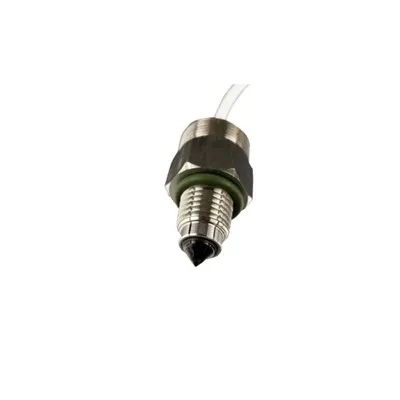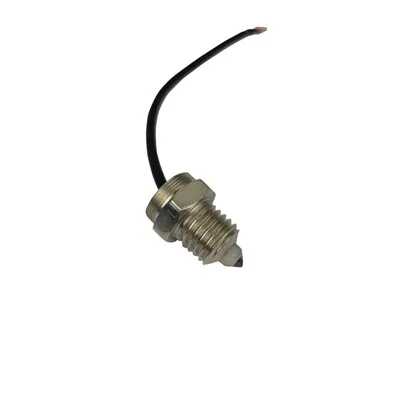
I found out about water damage the hard way - a pinhole leak in a supply line behind my washing machine that I didn't catch for almost two weeks. By the time I noticed the soft spot in the laundry room floor, the subfloor was done. My insurance deductible alone was more than the cost of every sensor in this article combined.
That's the thing about water: it doesn't announce itself. It seeps. It drips. It finds the path of least resistance through drywall, joists, and baseboards. And by the time you see it, the damage is already measured in thousands of dollars.
The fix is simple in theory: put sensors where water shouldn't be, and shut the water off when something goes wrong. Here's what I learned after testing a handful of the top leakage sensors on the market, including the one that finally gave me peace of mind.
Why a sensor alone isn't enough
Most people start with a $30 puck that beeps when it gets wet. It's a fine first step - but it only helps if you're home to hear it. If the leak happens while you're at work, on vacation, or asleep, that beep is useless. By the time you get back, the water has been running for hours.
That's why the real upgrade is an automatic water leak detector shutoff system: a device that not only detects the problem but physically stops the water at the source. No waiting for you to react. No race between the leak and your commute.
The main-line shutoff: Moen Flo Smart Water Shutoff (1")

The unit that started this whole research project for me was the Moen Flo Smart Water Shutoff, the 1-inch model (the one you'll find on Amazon as the Moen 900-006). It installs right on your main water line, usually right after the meter or the main shutoff valve, and it does three jobs at once.
First, it monitors everything flowing through your pipes - flow rate, water pressure, water temperature, and moisture. It learns your household's normal usage patterns over the first couple of weeks, so it can tell the difference between "someone's taking a shower" and "something's wrong."
Second, it runs something Moen calls MicroLeak tests. Essentially, the valve briefly closes the water supply and measures whether pressure holds. Tiny leaks that would take months to show up as visible damage get flagged early. That's the kind of detection you can't get from a floor puck.
Third, and this is the part that matters most to me, it can shut the water off automatically. If it detects a burst pipe, an abnormal flow pattern, or a significant leak, it closes the valve on its own - and sends an alert to your phone through the Flo by Moen app, whether you're in the next room or on the other side of the country.
One thing worth knowing before you buy: this is not a DIY install. It needs to be hardwired into your main line, and most people (including me) hire a plumber. It's also not cheap - figure roughly $500 for the unit plus installation. But here's the math that sold me: several major home insurance carriers offer a discount of 5–15% on your premium when you have an automatic shutoff valve installed, and some of them will even cover the cost of the device itself. The unit can pay for itself in a few years.
The app is genuinely useful, not just a gimmick. You can check your home's water usage from your phone, get a daily summary of flow, and see alerts for things like a toilet that's running when it shouldn't be. It also works with Alexa and Google Home if you're into that.
The other serious contenders
If the Moen isn't quite right for your setup, there are a few other systems worth a look.
Phyn Plus is the closest direct competitor. It does the same main-line monitoring and shutoff trick, and it's known for very precise leak detection thanks to some clever pressure-sensing tech. It's priced similarly, and like the Moen, it needs professional installation.
Flume takes a different approach: it straps onto the outside of your water meter and senses flow using the meter's magnetic field. No cutting into your pipes, no plumber required. The catch is that it detects and alerts, but it can't shut your water off by itself - unless you pair it with a separate shutoff valve.
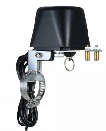
YoLink is the budget-friendly middle ground. Their leak sensors are inexpensive, and their hub connects to a motorized ball valve that can shut off the main supply. It's not as smart as the Moen - no MicroLeak testing, no pressure monitoring - but it gives you remote shutoff control for a fraction of the cost.
The floor sensors worth keeping around
Even with a main-line shutoff, I still keep dumb-and-cheap spot sensors in the usual trouble spots: under the kitchen sink, behind the water heater, next to the washing machine, and near the sump pump. A few of the ones I've tested and kept:
Flo by Moen smart water detectors - they integrate with the same app as the shutoff valve, so everything lives in one place. They can also sound a built-in alarm.
Govee WiFi sensors - cheap, reliable, and they push alerts to your phone. The app is basic but it works.
YoLink sensors - the range is outstanding because they use a low-frequency protocol, so they work in basements and garages where WiFi sensors often drop out.
What I'd actually buy
If you have the budget and you can get a plumber out, the Moen Flo Smart Water Shutoff is the one I recommend without hesitation. It's the most complete automatic water leak detector shutoff package you can buy for a home: detection, monitoring, and shutoff all in one unit, with an app that you'll actually open.
If you're renting, or you can't modify your plumbing, start with the Flume and a couple of good WiFi sensors. You lose the auto-shutoff, but you'll still know about a leak within seconds - and for most slow leaks, that's enough.
And if you're on a tight budget, don't let perfect be the enemy of good. A $30 sensor under the sink that beeps loudly is still better than nothing. But do yourself a favor: think about what happens when you're not home. That's where the real protection comes from.
Water damage is one of the few home disasters that's both common and almost entirely preventable. A little bit of hardware, one afternoon of setup, and you never have to learn the lesson the way I did.