其他应用打开
minimize
maximize
close
What Are Some Essentials for a First Time Travel Trailer Owner? The Smart Essentials System by Budget and Camping Style
Tailored Recommendations for Every Budget ($500, $1,500, $3,000, $5,000+) and Camping Style (Weekend Warrior, Extended Traveler, Full-Timer) – Maximize Value, Avoid Overspending, Get Exactly What You Need
Why One-Size-Fits-All RV Advice Fails Most New Owners
You've read the checklists. You've watched the videos. But here's the problem: most RV advice treats all new owners the same. A weekend warrior doesn't need the same gear as a full-timer. A $500 budgeter has different priorities than someone with $5,000 to spend.
The result: New owners either over-buy (wasting money) or under-buy (missing essentials). Both create frustration.
This guide is different. It's organized by:
💰 Budget tier ($500, $1,500, $3,000, $5,000+)
🏕️ Camping style (Weekend Warrior, Extended Traveler, Full-Timer)
🎯 Your specific needs (family size, climate, terrain, tow vehicle)
By the end, you'll know:
Exactly what to buy at your budget
What you can skip (and why)
What's worth splurging on
What's worth saving on
How your camping style changes everything
No more guessing. No more overspending. Just smart, tailored recommendations.
Part 1: Define Your Camping Style First
The Single Most Important Decision Before Buying Anything
Before you buy a single accessory, answer this question: How will you actually use your travel trailer?
Camping Style #1: Weekend Warrior ⭐
Trips per year: 6-10 short trips
Trip length: 2-4 nights each
Distance from home: Usually within 200 miles
Sites: Established campgrounds with full hookups
Amenities needed: Basic comfort, convenience
Budget priority: $500-1,500 for essentials
% of new owners: ~60-70% fall here
Camping Style #2: Extended Traveler ⭐
Trips per year: 4-6 longer trips
Trip length: 1-3 weeks each
Distance from home: Often 200-1,000+ miles
Sites: Mix of full-hookup and partial-hookup
Amenities needed: Comfort, self-sufficiency, organization
Budget priority: $1,500-3,000 for essentials
% of new owners: ~20-25% fall here
Camping Style #3: Full-Timer ⭐
Living in trailer: Full-time or near full-time
Distance from home: Travel extensively, often cross-country
Sites: Mix of campgrounds, boondocking, RV resorts
Amenities needed: Home-like comfort, self-sufficiency, durability
Budget priority: $3,000-5,000+ for essentials
% of new owners: ~5-10% fall here
Quick Assessment:
✅ If you camp 1-2 weekends per month → Weekend Warrior
✅ If you take 2-4 week-long trips per year → Extended Traveler
✅ If you live in the trailer 6+ months per year → Full-Timer
Your camping style determines your budget. Your budget determines your purchases.
Part 2: The $500 Budget System (Weekend Warrior Starter Kit)
The Absolute Essentials for New Owners on a Tight Budget
If you have $500 to spend, this is exactly what to buy (and what to skip). Every item here is non-negotiable for safety and basic comfort.
The $500 Shopping List (Itemized)
Item Why Essential Cost Skip?
Surge Protector (30A) Prevents $2,000+ electrical damage $100-150 NO
Hitch Ball (correct size) Required to tow trailer $20-30 NO
Hitch Pin and Clip Secures hitch $5-10 NO
Safety Chains Legal requirement $20-30 NO
7-Way Connector Powers lights and brakes $20-30 NO
Breakaway Switch Emergency brake activation $20-30 NO
Wheel Chocks Prevent trailer rolling $20-30 NO
Leveling Blocks Stabilize and level trailer $30-50 NO
Fire Extinguisher (2) Fire safety, often legally required $30-50 NO
Smoke/CO Detector Life safety $20-30 NO
Propane Detector Gas leak detection $25-30 NO
First Aid Kit Medical emergencies $20-30 NO
Potable Water Hose (25ft) Fill fresh water tank $20-30 NO
Water Pressure Regulator Protect plumbing $15-20 NO
Sewer Hose (10ft) Empty waste tanks $20-30 NO
Disposable Gloves Hygiene at dump station $10-15 NO
Mattress Topper Sleep quality (RV mattresses are bad) $50-80 NO
Bedding (sheets, pillows, blankets) Sleep comfortably $50-100 NO
Basic Cookware Cook meals $40-60 NO
Dishes and Utensils Eat meals $30-50 NO
Flashlight and Batteries See in dark $15-20 NO
Duct Tape and Zip Ties Emergency repairs $10-15 NO
TOTAL $510-880
The $500 Budget Strategy
Phase 1: Safety and Towing (Must Buy First, $200-300):
All hitch equipment ($100-150)
Surge protector ($100-150)
Safety equipment (fire extinguisher, detectors, first aid, $70-100)
Phase 2: Hookup Essentials ($100-150):
Water hose, pressure regulator, sewer hose ($60-80)
Wheel chocks, leveling blocks ($50-70)
Phase 3: Sleeping Comfort ($100-180):
Mattress topper ($50-80)
Bedding ($50-100)
Phase 4: Basic Kitchen ($70-110):
Cookware, dishes, utensils
Total: $470-740 (leaves $30-260 for unexpected needs)
What to SKIP at $500 Budget
Item Why Skip When to Buy
Outdoor rug Nice but not essential When budget allows
Camping chairs Borrow from friends When you need your own
Outdoor table Borrow or use picnic table When you camp often
Premium cookware Basic set works fine After you've cooked 5+ trips
Organizational bins Pack in cardboard boxes for now After 3-5 trips
String lights Use flashlight When you camp at night often
Solar panels Expensive, not needed for hookup sites If you boondock
Generator Rent or borrow if needed If you boondock often
Upgraded mattress Topper is sufficient After 6+ months
Premium tools Borrow from friends After 5+ trips
RV-specific GPS Use phone GPS for now After 10+ trips
The $500 Weekend Warrior Setup
What you get:
✅ Safe, legal towing setup
✅ Protected electrical system (surge protector)
✅ Comfortable sleeping
✅ Basic cooking capability
✅ Full hookup capability (water, electric, sewer)
✅ Safe camp setup (leveled, chocked, safety equipment)
What you don't have:
❌ Outdoor living setup (use campground facilities)
❌ Premium comfort items
❌ Self-sufficiency for boondocking
❌ Organizational systems
Reality check: This is enough for 2-3 trips per month at full-hookup campgrounds. If you camp 1-2 weekends per month, $500 is sufficient to start.
Part 3: The $1,500 Budget System (Extended Traveler Kit)
The Smart Setup for Most New Owners
If you have $1,500 to spend, this is the sweet spot for most new owners. You get weekend warrior essentials PLUS comfort items that make extended trips enjoyable.
The $1,500 Shopping List (What to Add to $500 Setup)
$500 Setup (from Part 2): $500-740 (foundation) Additional $800-1,000 for Extended Traveler:
Item Why Add Cost Priority
Premium Mattress Topper (3" memory foam) Better sleep on longer trips $80-150 High
Camping Chairs (2-4) Outdoor living $60-200 High
Folding Outdoor Table Outdoor dining $40-80 High
Outdoor Rug Clean outdoor living space $30-60 Medium
String Lights for Awning Nighttime ambiance $20-40 Medium
Powerful Flashlight/Headlamp Hands-free lighting $20-30 High
Multi-Tool Repairs on the road $20-40 High
Tire Pressure Gauge Safety checks $15-20 High
Tire Covers Extend tire life $40-60 Medium
Bike Rack Recreation $100-200 Low
Storage Bins (4-6) Organization $40-80 Medium
Hanging Organizers Maximize space $20-40 Medium
Collapsible Dish Rack Dry dishes efficiently $15-25 Medium
Coffee Maker Morning routine (if coffee drinker) $20-50 High
Toaster or Electric Griddle Easy breakfast $25-50 Medium
Pop-Up Hamper Dirty laundry storage $20-30 Low
RV-Specific GPS or App Safe routing $10-15/year High
Weather Radio Severe weather alerts $20-30 High
Tool Kit (basic) Minor repairs $50-100 High
Total Additional $645-1,300
Grand Total: $1,145-2,040 (fits $1,500 budget with smart shopping)
The $1,500 Budget Strategy
Phase 1: $500 Weekend Warrior setup ($500-740) Phase 2: Comfort and outdoor living ($300-500)
Camping chairs and table
Premium mattress topper
Coffee maker
Basic tool kit Phase 3: Organization and convenience ($200-300)
Storage bins
Hanging organizers
Dish rack
Pop-up hamper Phase 4: Safety and recreation ($100-200)
Tire pressure gauge
Weather radio
Bike rack (optional)
String lights
What the $1,500 Setup Gets You
Beyond Weekend Warrior:
✅ Comfortable outdoor living space
✅ Better sleep (premium topper)
✅ Organization systems
✅ Self-sufficient for most situations
✅ Ready for week-long trips
✅ Better tools for minor repairs
Still missing:
❌ Boondocking capability (no solar, generator, large water capacity)
❌ Premium comfort (no upgraded mattress, no residential fridge)
❌ High-end organization (no custom drawer systems)
❌ Long-term durability upgrades
Reality check: The $1,500 setup is what 80% of new owners actually need for their first 6-12 months. After 5-10 trips, you'll know exactly what to add next.
Part 4: The $3,000 Budget System (Full-Timer Starter Kit)
The Complete Setup for Extended Travel and Full-Timing
If you have $3,000 to spend, you can set up like a pro. This budget gets you everything from $1,500 setup PLUS full-timer essentials.
The $3,000 Shopping List (What to Add to $1,500 Setup)
$1,500 Setup (from Part 3): $1,145-2,040 (foundation) Additional $1,000-1,500 for Full-Timer:
Item Why Add Cost Priority
200W Portable Solar Panel Boondocking power $300-500 High
Solar Charge Controller Regulate solar power $50-100 High
Deep Cycle Battery (2) Power storage $200-400 High
Portable Generator (2000W) Backup power $400-800 High
Large Water Tank (45 gal) Extended boondocking $150-300 Medium
Water Filtration System Clean drinking water $50-100 High
Tankless Water Heater Unlimited hot water $200-400 Low
Composting Toilet Upgrade Reduce water use $200-500 Low
Satellite Internet (Starlink) Connectivity anywhere $600 + $80-120/month High
Cell Signal Booster Improve reception $300-500 High
Premium Tires (Goodyear Endurance) Safety + durability $600-800 (4 tires) High
Weight Distribution Hitch Safer towing $300-800 High
Brake Controller Required for trailers over 3,000 lbs $100-300 High
Backup Camera Easier backing $100-300 Medium
TPMS (Tire Pressure Monitoring) Prevent blowouts $100-200 High
Electric Tongue Jack Easier hitching $150-250 Medium
Power Awning Shade with one button (if not included) $300-500 Low
RV-Specific Mattress Better than topper alone $400-800 Medium
Residential Refrigerator Upgrade More storage, better cooling $1,000-2,000 Low
Washer/Dryer Combo Laundry capability $800-1,500 Low
Total Additional $5,250-10,650
Wait, this exceeds $3,000! This is why $3,000 is actually tight for full-timing. Most full-timers spend $5,000-8,000 on setup.
Realistic $3,000 Setup: Pick 8-10 items from above, prioritize based on your needs.
The $3,000 Budget Strategy (Realistic Prioritization)
Phase 1: $1,500 Extended Traveler setup ($1,145-2,040) Phase 2: Safety and Towing ($500-800)
Weight distribution hitch ($300-800)
Brake controller ($100-300)
TPMS ($100-200) Phase 3: Boondocking Basics ($400-700)
Portable solar panel ($300-500)
Solar charge controller ($50-100)
Water filtration ($50-100) Phase 4: Convenience ($200-400)
Electric tongue jack ($150-250)
Backup camera ($100-300)
Premium tires (if needed, $600-800)
Realistic $3,000 Total: $2,245-3,140 (slightly over but achievable with sales and used gear)
Smart $3,000 Setup Priorities
Must-Have (for Safety and Full-Timing):
✅ Weight distribution hitch (if trailer > 5,000 lbs)
✅ Brake controller (if trailer has brakes)
✅ TPMS (tire pressure monitoring system)
✅ Portable solar (for boondocking)
✅ Premium tires (safety-critical)
✅ Water filtration (health)
Nice-to-Have (Add if Budget Allows):
⭐ Electric tongue jack (convenience)
⭐ Backup camera (easier backing)
⭐ Cell signal booster (connectivity)
⭐ Starlink (if you need internet anywhere)
⭐ Portable generator (backup power)
Skip for Now (Expensive, Not Essential):
❌ Washer/dryer (use laundromats)
❌ Residential fridge (stock fridge works)
❌ Composting toilet (stock toilet works)
❌ Tankless water heater (stock works)
❌ Power awning (manual works)
Part 5: The $5,000+ Budget System (Full-Timer Premium Setup)
The Luxury Setup for Serious RVers
If you have $5,000+ to spend, you can build a premium full-timer setup. This includes everything from previous levels PLUS high-end upgrades.
The $5,000+ Shopping List (Premium Upgrades)
$3,000 Setup (from Part 4): $2,245-3,140 (foundation) Additional $2,000-3,000 for Premium Upgrades:
Item Why Add Cost Priority
300W+ Solar System (roof-mounted) More power, permanent $1,500-2,500 High
Lithium Battery Bank (2-4) Longer life, faster charging $1,500-3,000 High
Inverter (2000W+) Run 120V from batteries $300-800 High
Starlink (full setup) Satellite internet $600 + monthly High
Residential Refrigerator More space, better cooling $1,000-2,000 Medium
RV-Specific Mattress Sleep like home $400-800 High
Memory Foam Mattress Topper (4") Ultimate comfort $100-200 Medium
Custom Drawer Organizers Maximum organization $200-500 Medium
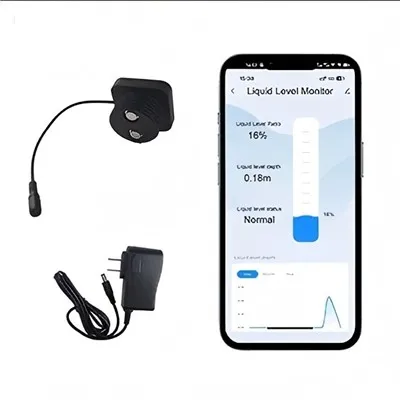
Tank Monitoring System Bluetooth tank sensors $150-300 High
Smart Home Devices Voice control, automation $200-500 Low
WeBoost Cell Signal Booster Best signal boost $500-700 High
Dometic or Truma AC (if upgrading) More efficient cooling $1,000-1,500 Low
Victron Energy Monitoring Track power usage $200-400 Medium
Total Additional $6,050-12,200
Realistic $5,000 Setup: Pick 6-8 items from above, prioritize based on full-timing needs.
Smart $5,000+ Setup Priorities
Must-Have Premium Upgrades:
✅ 300W+ Solar System: $1,500-2,500 (permanent power solution)
✅ Lithium Batteries: $1,500-3,000 (10+ year lifespan vs 2-3 for lead-acid)
✅ Inverter: $300-800 (run 120V appliances from batteries)
✅ Starlink: $600 + monthly (internet anywhere)
✅ RV Mattress: $400-800 (sleep quality is critical)
✅ Tank Monitoring: $150-300 (know your levels remotely)
Nice-to-Have Premium:
⭐ WeBoost (best cell signal)
⭐ Residential fridge (if stock fridge is too small)
⭐ Custom organizers (maximize storage)
⭐ Smart home devices (convenience)
Luxury Add-Ons (Only if Budget Allows):
💎 Victron monitoring (data nerd's dream)
💎 Upgraded AC unit (quieter, more efficient)
💎 Premium sound system
💎 Outdoor kitchen setup
Part 6: Camping Style Buying Guides
Tailored Recommendations for Each Style
Weekend Warrior Essentials ($500-1,500):
Priority Order:
Safety equipment (fire extinguisher, detectors)
Surge protector ($100-150)
Hitch equipment
Mattress topper
Basic cookware
Water/sewer/electrical hookup
Camping chairs and table
Basic tools
Skip for Now:
Solar panels
Generator
Premium tires (stock are fine for short trips)
Weight distribution hitch (if trailer < 5,000 lbs)
Brake controller (if trailer < 3,000 lbs)
Starlink
Extended Traveler Essentials ($1,500-3,000):
Priority Order:
All Weekend Warrior items
Premium mattress topper
TPMS (tire pressure monitoring)
Better tools (comprehensive kit)
Organization systems (bins, hangers)
Outdoor setup (rug, lights, table)
Cell signal booster (if traveling to remote areas)
Portable solar (if some boondocking)
Full-Timer Essentials ($3,000-8,000+):
Priority Order:
All Extended Traveler items
300W+ solar system (permanent)
Lithium battery bank
Inverter (2000W+)
Starlink (or similar satellite internet)
RV-specific mattress (not just topper)
WeBoost or similar cell booster
Tank monitoring system
Weight distribution hitch
Premium tires (safety + longevity)
Part 7: Frequently Asked Questions
Q1: How much should I budget for my first year of RV ownership?
A: Budget tier depends on camping style:
Weekend Warrior: $1,000-2,000 total first year (trailer cost separate)
$500-1,000 initial setup
$500-1,000 ongoing (insurance, propane, storage, campground fees)
Extended Traveler: $2,500-5,000 total first year
$1,500-3,000 initial setup
$1,000-2,000 ongoing
Full-Timer: $5,000-10,000+ total first year
$3,000-8,000 initial setup
$2,000-4,000+ ongoing (campground fees are biggest expense)
Smart budgeting strategy: Start with Weekend Warrior budget ($1,000-2,000) for first 3-6 months, then add items as you identify needs.
Q2: What are the absolute must-haves that everyone needs?
A: Regardless of budget or camping style, you NEED:
Safety (Non-Negotiable):
✅ Fire extinguisher (2 minimum)
✅ Smoke detector
✅ Carbon monoxide detector
✅ Propane gas detector
✅ First aid kit
Towing (If Applicable):
✅ Proper hitch setup (ball, pin, chains, connector)
✅ Breakaway switch
✅ Wheel chocks
Hookup (For Campground Use):
✅ Surge protector
✅ Water hose and pressure regulator
✅ Sewer hose and gloves
Sleeping (For Comfort):
✅ Mattress topper (RV mattresses are bad)
✅ Bedding (sheets, pillows, blankets)
Total minimum cost: $400-600 (less than $500 if you buy smart)
Everything else is negotiable based on your camping style and budget.
Q3: Should I buy everything at once or build over time?
A: Build over time (3-6 months) for these reasons:
Why gradual buildup works:
✅ You learn what you actually need (vs. what you think you need)
✅ You can prioritize purchases based on real budget
✅ You avoid buying duplicates
✅ You learn from RV community
✅ You can take advantage of sales
✅ Each purchase is informed by experience
The exception: Buy safety equipment (fire extinguishers, detectors) and surge protector immediately. Don't compromise on safety.
Smart timeline:
Month 1: Essentials for first trip ($500-1,500)
Month 2-3: Comfort items after 2-3 trips ($300-800)
Month 4-6: Upgrades and specialized items ($300-1,000)
Total after 6 months: $1,100-3,300 (much smarter than $3,000 upfront with wrong purchases)
Q4: What's the difference between Weekend Warrior and Full-Timer needs?
A: Major differences:
Need Weekend Warrior Full-Timer
Power Shore power (campground) Solar + batteries + generator
Water Campground hookup Large tanks + filtration
Internet Phone hotspot Starlink + cell booster
Organization Basic bins Custom drawer systems
Maintenance DIY or shop Self-sufficiency required
Comfort Basic comfort Home-like comfort
Durability Stock components Upgraded components
Self-Sufficiency Low (rely on campground) High (independent operation)
The fundamental difference: Weekend warriors use campground infrastructure; full-timers need their own infrastructure (power, water, internet, waste management).
Budget impact: Full-timers spend 3-5x more on setup than weekend warriors.
Q5: Can I start with $500 and upgrade later?
A: Yes, this is the smartest approach for most new owners.
Why start with $500:
✅ You don't know what you need yet (first 2-3 trips teach you)
✅ You avoid buying wrong things (everyone does)
✅ You can spread costs over 6-12 months
✅ Each purchase is informed by experience
✅ You can take advantage of sales
The progression:
Trip 1-3: Use $500 setup, identify what you wish you had
Trip 4-6: Add $300-500 in items you now know you need
Trip 7-10: Add $300-500 more in upgrades
After 6 months: You have a $1,500-2,000 setup that's perfect for YOU
Compare to spending $3,000 upfront: You'll waste $1,000+ on things you don't need or use.
Smart strategy: Start small, add based on real experience, build your perfect setup over 6-12 months.
Q6: What's worth splurging on and what's worth saving on?
A: The Smart Splurge/Save List:
Worth SPLURGING On (Quality Matters):
⭐ Surge Protector: $150 vs $300 → Worth 2x price for reliability
⭐ Mattress Topper: $80 vs $150 → Better sleep is priceless
⭐ Tires: $150 vs $250 each → Safety-critical, don't cheap out
⭐ Water Pressure Regulator: $20 vs $50 → Protects plumbing
⭐ Sewer Hose: $30 vs $80 → Heavy-duty lasts years
Worth SAVING On (Buy Budget):
💰 Cookware: $30 vs $200 → Basic set works fine
💰 Dishes: $20 vs $100 → Dollar store dishes work
💰 Camping Chairs: $30 vs $150 → Cheap ones last 2-3 years
💰 Storage Bins: $10 vs $40 → Plastic bins are plastic bins
💰 Outdoor Rug: $30 vs $100 → All get dirty and wear out
The Rule of Thumb: Splurge on safety, towing, and sleeping. Save on kitchen, outdoor living, and organization.
Why this works: Safety items prevent $1,000+ disasters. Sleep quality affects every day. But a $20 pot cooks the same food as a $200 pot.
Q7: What are the most common first-time buyer mistakes?
A: Top 10 Mistakes (And How to Avoid Them):
Buying too much trailer: Start smaller than you think
Over-buying accessories: Wait 3 trips to see what you need
Underestimating costs: Budget 20-30% more than you think
Skipping surge protector: $150 saves $2,000+ in damage
Cheap tires: $150/tire blowouts cause $2,000+ damage
Not practicing: 2-3 hours backing up practice saves embarrassment
Arriving after dark: Always arrive 2+ hours before sunset
Not testing systems at home: Discover problems before trip
Ignoring maintenance: Monthly checks prevent major issues
Not joining RV community: Forums prevent expensive mistakes
Avoid these and you'll save $2,000-5,000+ in your first year.
Q8: How do I know if I'm a Weekend Warrior or Full-Timer?
A: Honest assessment questions:
How many trips per year?
6+ → Weekend Warrior
4-6 longer → Extended Traveler
Living in it → Full-Timer
How long are your trips?
2-4 nights → Weekend Warrior
1-3 weeks → Extended Traveler
Months → Full-Timer
Where do you camp?
Full-hookup sites → Weekend Warrior
Mix of sites → Extended Traveler
Anywhere/boondocking → Full-Timer
What's your budget for setup?
$500-1,500 → Weekend Warrior
$1,500-3,000 → Extended Traveler
$3,000+ → Full-Timer
How important is "home-like" comfort?
Somewhat → Weekend Warrior
Very → Extended Traveler
Critical → Full-Timer
Be honest about your actual plans, not aspirational plans. Most people overestimate how much they'll use the trailer.
Q9: Should I buy new or used accessories?
A: Buy NEW for safety items, USED for everything else.
Buy NEW (Safety, Warranty, Reliability):
Fire extinguishers (must be sealed)
Smoke/CO/propane detectors (must be reliable)
Surge protector (warranty matters)
Tires (safety-critical)
Brake controller (must work perfectly)
Hitch components (safety)
Buy USED (Save 40-70%):
Camping chairs (used for 1-2 trips look like new)
Outdoor tables (folding tables hold up well)
Cookware (stainless steel lasts forever)
Storage bins (plastic is indestructible)
Bedding (wash and sanitize)
Dishes (no one cares if plates are used)
Tools (quality tools retain value)
Books/guides (information is the same)
Best sources for used:
Facebook Marketplace
Craigslist
RV consignment stores
Estate sales (retirees downsizing)
RV forums
Thrift stores
Hybrid approach: Buy used for testing, replace with new if you use it constantly.
Q10: What's the single best advice for first-time owners?
A: "Start with less than you think you need, then add based on actual experience."
Why this works:
Most new owners buy $1,000-2,000 of stuff they never use
After 3-5 trips, you know EXACTLY what you need
You avoid wasting money on wrong purchases
You build a setup that's perfect for YOU, not someone else
The Smart First-Timer's Path:
Trip 1-3: Use $500-1,000 setup, take notes on what's missing
Trip 4-6: Add $300-500 of items you now know you need
Trip 7-10: Add $300-500 of upgrades and improvements
After 6 months: $1,500-2,500 setup that's customized to your style
Compare to spending $3,000 upfront: You'll waste $1,000+ on things you don't need.
The best setup is the one that fits YOUR camping style, not someone else's.
Conclusion: Your Perfect Setup Awaits
The beauty of the Smart Essentials System is that it's tailored to YOU. Whether you have $500 or $5,000, whether you camp 6 weekends a year or live in your trailer full-time, there's a perfect setup for your budget and style.
Key Takeaways:
Define your camping style first - Weekend Warrior, Extended Traveler, or Full-Timer
Match budget to style - $500 (Weekend), $1,500 (Extended), $3,000+ (Full-Timer)
Start with safety essentials - Fire extinguishers, detectors, surge protector
Build gradually over 6 months - Avoid buying wrong things, add based on experience
Splurge on safety and sleep - Save on kitchen and outdoor living
Buy used when possible - Save 40-70% on non-safety items
Prioritize based on YOUR style - Not what YouTube says you need
Join the community - Forums prevent expensive mistakes
Practice before first trip - 2-3 hours of backing up practice
Accept the learning curve - 3-5 trips to feel comfortable, 6+ to feel confident
The Bottom Line: There's no "right" answer for everyone. The right answer is the setup that fits YOUR budget, YOUR camping style, and YOUR specific needs. This guide gives you the framework to make smart decisions, avoid overspending, and build a setup you'll love for years to come.
Your perfect travel trailer setup is within reach. Start small, build smart, enjoy the journey.
Last Updated: July 2026
Smart Essentials System: What Are Some Essentials for a First Time Travel Trailer Owner?
Disclaimer: Specific products, prices, and recommendations may change. Always verify current information before purchasing. Follow all manufacturer instructions, state/provincial laws, and safety guidelines. Budget figures are estimates based on average market prices and may vary by region, brand, and availability. Individual needs and preferences vary. This guide provides general recommendations, not professional advice. When in doubt, consult with certified RV technicians, financial advisors, or experienced full-time RVers