What You Need to Know About Residential Propane Heating: A Complete Homeowner's Guide
In this guide: Everything you need to know about residential propane heating - covering how propane heating works, system components, efficiency ratings, costs, safety, installation, and the complete FAQ for 2026.
What You Need to Know About Residential Propane Heating: Quick Answer
Residential propane heating is one of the most widely used home heating methods in America, powering approximately 14% of U.S. households - roughly 18 million homes - particularly in rural areas beyond the natural gas pipeline grid. Propane heating works by burning propane gas in a furnace or boiler to produce heat, which is then distributed throughout the home via ductwork or hydronic piping. Propane furnaces reach up to 98% AFUE efficiency, making them among the most efficient residential heating systems available, comparable to the best natural gas systems. Propane heating costs $900–$2,000 per year for an average home in a cold climate, making it more expensive than natural gas where pipelines exist, but significantly cheaper than electric resistance heat or heating oil. The key things every homeowner needs to know are: propane is stored on your property in a tank you own or lease; propane appliances require no electricity to generate heat; propane heating systems require annual professional maintenance; and propane is one of the safest and cleanest residential heating fuels available when used with properly certified equipment.
How Residential Propane Heating Works
The System and Its Components
Understanding how a propane heating system works helps you maintain it, troubleshoot it, and make informed decisions about upgrades:
Residential propane heating system components:
| Component | Function | Key Facts |
|---|---|---|
| Propane storage tank | Stores propane as a liquid under pressure | Above-ground (250–500 gallons) or underground (500–1,000 gallons) |
| Gas regulator | Reduces tank pressure to appliance-safe pressure (11" WC) | First-stage regulator at tank; second-stage at appliance |
| Fuel line | Carries propane from tank to appliances | Buried or surface-mounted; must be professionally installed |
| Propane furnace | Burns propane to generate heated air | Delivers heat via ductwork; rated 40,000–150,000 BTU |
| Propane boiler | Burns propane to heat water for radiant or baseboard heat | Delivers heat via hot water pipes; rated 50,000–200,000 BTU |
| Thermostat | Controls when the heating system activates | Programmable models save 8–15% on heating costs |
| Ductwork / piping | Distributes heated air or water throughout the home | Must be properly sized for furnace/boiler output |
| Exhaust vent / chimney | Safely vents combustion byproducts outside | Must be inspected annually; blockage is dangerous |
How the heating process works: Propane is stored as a liquid under pressure in your tank. As propane leaves the tank, it passes through a two-stage regulator that reduces its pressure from approximately 250 pounds per square inch (PSI) to a safe 11 inches water column (WC) - the pressure your furnace needs to operate correctly. The regulated propane travels through the gas line to your furnace, where it is mixed with air in the correct 23:1 air-to-propane ratio and ignited by a pilot light or electronic ignition. The combustion produces heat that warms a metal heat exchanger; a blower then pushes heated air through your ductwork and into your home. Combustion byproducts (carbon dioxide and water vapor) are vented outside through the exhaust system.
Types of Residential Propane Heating Systems
Finding the Right System for Your Home
Different propane heating systems suit different home types and heating needs:
Residential propane heating system types:
| System Type | How It Works | Best For | Efficiency | Installed Cost |
|---|---|---|---|---|
| Forced-air propane furnace | Heats air; distributes via ductwork | Homes with existing ductwork | 80–98% AFUE | $3,000–$6,000 |
| Propane boiler (hydronic) | Heats water; distributes via pipes to radiators or radiant floor | Homes with radiator or radiant heating | 85–95% AFUE | $4,000–$8,000 |
| Propane water heater | Heats water for taps and radiant heat | Whole-home water + supplemental heat | 90–98% AFUE | $1,500–$4,000 |
| Propane wall furnace | Self-contained unit mounted on wall | Single rooms, additions, garages | 80–90% AFUE | $1,500–$3,500 |
| Propane radiant floor heating | Heated pipes under floor surface | New construction, major renovations | 90–97% AFUE | $8,000–$20,000 |
| Propane space heater | Heats a single room or zone | Supplemental heat; off-grid use | 75–90% AFUE | $300–$2,000 |
| Dual-fuel heat pump + propane | Heat pump primary; propane backup for extreme cold | Cold climates; cost-conscious efficiency seekers | 200–350% COP (heat pump mode) | $8,000–$15,000 |
Forced-air vs. hydronic heating: Forced-air systems (furnaces) heat and distribute air quickly, making them ideal for homes that need rapid temperature changes. They are less expensive to install and easier to service. Hydronic systems (boilers) heat water and distribute it through pipes to radiators or radiant floor circuits, producing more consistent, comfortable warmth with less air movement and fewer allergens. Hydronic systems cost more upfront but offer superior comfort in very cold climates.
Propane Furnace Efficiency Explained
AFUE Ratings and What They Mean
Furnace efficiency is measured by AFUE (Annual Fuel Utilization Efficiency) - the percentage of fuel converted to usable heat over a year:
Propane furnace efficiency ratings:
| Furnace Type | AFUE Rating | Description | Annual Propane Cost (Avg. Home) |
|---|---|---|---|
| Standard efficiency | 80–84% AFUE | Older models; adequate but wasteful | $1,800–$2,200/year |
| Mid-efficiency | 85–89% AFUE | 2000s-era models; moderate efficiency | $1,600–$2,000/year |
| High-efficiency condensing | 90–94% AFUE | Captures additional heat from exhaust | $1,400–$1,800/year |
| Ultra-high efficiency | 95–98% AFUE | Extracts nearly all heat from fuel | $1,200–$1,600/year |
What AFUE means in real terms: A 95% AFUE furnace converts 95% of the propane it burns into usable heat - only 5% is lost through the exhaust. An 80% AFUE furnace loses 20% of its heat through the exhaust. For a home spending $2,000/year on propane heat, upgrading from an 80% AFUE furnace to a 95% AFUE furnace saves approximately $300–$400 per year. Over the 15–20-year lifespan of a furnace, that is $4,500–$8,000 in lifetime savings - more than paying for the efficiency upgrade.
Propane Heating Costs in 2026
What Homeowners Actually Pay
Understanding propane heating costs helps you budget and compare against other fuel options:
Propane heating cost breakdown:
| Cost Factor | Average Cost | Range | Notes |
|---|---|---|---|
| Propane price per gallon | $2.50/gallon | $2.00–$4.00/gallon | Varies by region, season, and supplier |
| Annual propane consumption (avg. home) | 800–1,200 gallons/year | 500–2,000 gallons/year | Varies by home size, climate, insulation |
| Annual heating cost (avg. home) | $1,200–$2,000/year | $900–$3,000/year | Cold climate, 2,000 sq. ft. home |
| Tank lease fee | $50–$150/year | $30–$200/year | Optional; eliminates upfront tank purchase |
| Tank purchase (above-ground 250 gal) | $500–$1,500 | $400–$2,000 | One-time cost; pays off vs. lease in 5–10 years |
| Annual furnace maintenance | $100–$200/year | $80–$300/year | Essential for efficiency and safety |
| Installation (new system) | $3,000–$7,000 | $2,500–$10,000 | Varies by system type and home requirements |
Propane heating vs. other fuels - annual cost comparison:
| Fuel Type | Annual Heating Cost | Notes |
|---|---|---|
| Natural gas | $600–$1,500/year | Cheapest where pipeline is available |
| Propane | $900–$2,000/year | Best option where no pipeline exists |
| Heat pump (electric) | $800–$1,800/year | Excellent in moderate climates; less effective below 30°F |
| Electric resistance | $1,800–$3,500/year | Most expensive in cold climates |
| Heating oil | $1,200–$2,500/year | More expensive and less clean than propane |
Propane Tank Options for Residential Heating
Sizing and Choosing Your Tank
Your propane tank is the foundation of your residential propane heating system:
Residential propane tank sizing guide:
| Tank Size | Best Application | Estimated Heating Coverage | Fill Frequency (Heating Season) |
|---|---|---|---|
| 120 gallons (above-ground) | Small homes; supplemental heat only | Up to 1,000 sq. ft. | Refill every 5–10 weeks |
| 250 gallons (above-ground) | Average home; single heating appliance | 1,500–2,500 sq. ft. | Refill every 6–10 weeks |
| 500 gallons (above-ground or underground) | Large home; multiple propane appliances | 2,500–4,000 sq. ft. | Refill every 8–14 weeks |
| 1,000 gallons (underground) | Very large homes; commercial heating | Over 4,000 sq. ft. | Refill every 10–18 weeks |
Buying vs. leasing your tank: Leasing a propane tank ($50–$150/year) eliminates the $500–$2,500 upfront purchase cost but locks you into a single propane supplier - you cannot switch suppliers without swapping tanks. Buying your tank outright gives you supplier freedom and eliminates ongoing lease fees, but requires upfront capital. For most homeowners planning to stay in their home for 7+ years, buying the tank outright is the better financial decision.
Propane Heating Safety Requirements
What Every Homeowner Must Know and Do
Propane heating is extremely safe when systems are properly installed, maintained, and operated. Here are the non-negotiable safety requirements:
Essential propane heating safety requirements:
| Safety Requirement | Why It Matters | How to Comply |
|---|---|---|
| Annual professional inspection | Detects gas leaks, combustion problems, and component wear | Schedule annual furnace and tank inspection ($100–$200) |
| Install CO detectors | Carbon monoxide from combustion is odorless and deadly | One on every level; near bedrooms; test monthly |
| Keep tank area clear | Prevents fire hazards and ensures delivery access | Maintain 10-foot clearance around tank |
| Never store flammables near propane appliances | Propane is flammable; sparks ignite it | Keep 3-foot clearance from furnace |
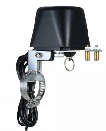
| Know how to turn off propane | Emergency shutoff protects your home | Locate and understand tank shutoff valve |
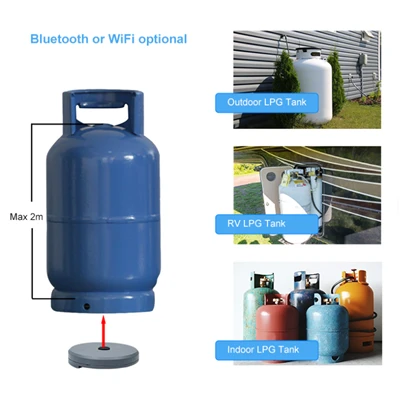
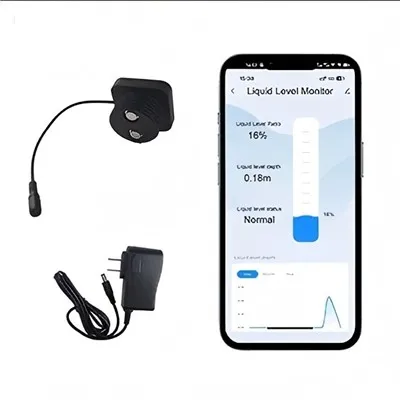
| Monitor tank level | Running out can allow air and moisture into system | Install a wireless tank monitor ($80–$200) |
| Professional installation only | Improper installation causes gas leaks and CO | Use licensed HVAC and gas-fitting professionals |
| 5-year and 10-year tank inspections | Metal fatigue and corrosion compromise tank integrity | Certified tank inspectors per industry standards |
The CO detector rule - non-negotiable: Carbon monoxide detectors are required by law in many jurisdictions and are absolutely essential in any home with fuel-burning appliances. CO detectors cost $15–$50 and are available at any hardware store. Install one on every level of your home and within 15 feet of each bedroom door. Test monthly by pressing the test button, replace batteries every 6 months, and replace the entire unit every 5–7 years.
Installing a Residential Propane Heating System
What the Process Looks Like
Installing a new propane heating system involves several steps and professionals:
Propane heating system installation process:
| Step | Description | Timeline | Cost |
|---|---|---|---|
| 1. Select a propane supplier | Choose a local supplier; discuss pricing, delivery, and tank options | 1–2 weeks before installation | Free |
| 2. Tank installation | Supplier installs tank; may require permit | 1–3 days | $500–$2,500 (lease or purchase) |
| 3. Gas line installation | Licensed plumber or gas fitter runs gas line from tank to furnace | 1–2 days | $500–$2,000 |
| 4. Furnace installation | Licensed HVAC technician installs furnace | 1–2 days | $2,000–$5,000 (furnace only) |
| 5. Venting installation | Exhaust vent and intake pipe installation | 1 day | $300–$800 |
| 6. System inspection | Local building inspector approves gas and HVAC work | 1 day | Included in permit fees |
| 7. Commissioning | Technician ignites furnace, tests safety systems, calibrates thermostat | 1 day | Included in installation |
| Total | - | 2–4 weeks | $3,500–$10,000 |
Total installation cost range: A complete residential propane heating system installation - including tank, gas line, furnace, venting, and labor - costs $3,500–$10,000 depending on system type, home size, existing infrastructure, and regional labor costs. This does not include ductwork if your home does not have existing forced-air ducting (adding ductwork adds $2,000–$6,000).
Frequently Asked Questions
Q1: How does residential propane heating work?
Residential propane heating works by burning propane gas in a furnace or boiler to produce heat, which is then distributed throughout the home. Here is the step-by-step process: propane is stored as a liquid under pressure in a tank on your property. When the thermostat calls for heat, propane flows from the tank through a two-stage gas regulator that reduces its pressure from approximately 250 PSI to 11 inches water column (WC) - the safe pressure for home appliances. The regulated propane travels through the gas line to your furnace, where an electronic ignition or standing pilot lights the gas. The propane is mixed with air in a precisely controlled 23:1 air-to-propane ratio and ignited, producing a flame that heats a metal heat exchanger. A blower forces air across the heat exchanger and distributes the heated air through your ductwork into your home. Combustion byproducts (carbon dioxide and water vapor) are vented safely outside through the exhaust pipe. This entire process - from thermostat signal to warm air in your rooms - takes only 3–7 minutes.
Q2: Is propane heating expensive?
Propane heating costs $900–$2,000 per year for an average 2,000 sq. ft. home in a cold climate, depending on home size, insulation quality, local propane prices, and thermostat settings. This makes propane more expensive than natural gas (where available at $600–$1,500/year) but significantly less expensive than electric resistance heat ($1,800–$3,500/year) and competitive with heating oil ($1,200–$2,500/year). For the approximately 14% of U.S. households without natural gas pipeline access, propane is typically the most economical heating fuel available - saving $500–$1,500 per year compared to electric heat. Propane heating costs can be further reduced by sealing air leaks, adding insulation, maintaining your furnace annually, buying propane in summer when prices are lowest, and comparing suppliers to find the best rate.
Q3: Is propane heating safe for my home?
Yes - propane heating is extremely safe for your home when the system is properly installed, maintained, and operated. Propane has a strong safety record backed by decades of regulatory standards, and propane heating systems include multiple redundant safety features: the propane supply includes a safety shutoff that activates if a leak is detected, certified furnaces include an Oxygen Depletion Sensor (ODS) that shuts off gas if room oxygen drops below safe levels, carbon monoxide detectors alert you to dangerous combustion byproducts, and furnaces include high-limit switches that shut off the system if it overheats. The key to maintaining propane heating safety is annual professional inspection, installing and maintaining CO detectors, keeping the area around your furnace and propane tank clear of flammable materials, and never attempting DIY work on gas lines or propane appliances.
Q4: How long does a propane furnace last?
A properly maintained residential propane furnace lasts 15–20 years on average, with many units operating reliably for 20–25 years. The lifespan depends on usage intensity, maintenance quality, installation quality, and the local climate. Annual professional maintenance ($100–$200/year) is the single most effective way to extend furnace lifespan - it catches small problems before they become expensive repairs and keeps combustion efficiency high throughout the unit's life. Signs that your propane furnace may be nearing the end of its useful life include: frequent repair needs (two or more significant repairs in a single heating season), rising heating bills despite normal usage, uneven heating across rooms, unusual noises from the blower or burners, and an age of 15+ years with declining efficiency.
Q5: What size propane furnace do I need for my home?
The size of propane furnace you need depends on your home's square footage, climate zone, insulation quality, ceiling height, and number of windows. The general rule is approximately 35–45 BTU of heating capacity per square foot of living space in a cold climate, or 25–35 BTU/sq. ft. in a moderate climate. For an average 2,000 sq. ft. home in a cold climate, this means a furnace rated approximately 70,000–90,000 BTU. A furnace that is too small will run constantly without reaching the desired temperature. A furnace that is too large will cycle on and off frequently (short-cycling), wasting fuel, wearing out components faster, and failing to heat your home evenly. The correct sizing requires a professional heat-load calculation by an HVAC technician - this takes into account your specific home's insulation, windows, orientation, and climate, and is essential for comfort and efficiency.
The Bottom Line
Residential propane heating is a proven, reliable, and efficient way to heat your home - and for the millions of American homeowners in areas without natural gas access, it is the best heating option available. The key facts to know are: propane furnaces reach up to 98% AFUE efficiency, matching the most efficient natural gas systems; annual costs of $900–$2,000 make propane more expensive than natural gas but significantly cheaper than electric resistance heat; propane heating systems work without electricity, making them reliable during power outages; safety requires annual professional maintenance, CO detectors on every level, and professional installation for all gas work; and the right furnace size for your home requires a professional heat-load calculation, not guesswork. If you are considering propane heating, compare multiple suppliers for the best pricing, buy your tank outright if you plan to stay in your home for 7+ years, schedule annual maintenance before each heating season, and invest in a programmable or smart thermostat to automate temperature reductions when you are asleep or away. Done right, propane heating is one of the most cost-effective, reliable, and comfortable heating options available for American homes.
Last updated: July 2026
Disclaimer: This guide provides general information about residential propane heating for educational purposes. Heating costs, system requirements, and fuel availability vary by region, climate, and property. Consult licensed HVAC professionals for heating system sizing, installation, and maintenance. Contact multiple propane suppliers for pricing in your area. This guide is not affiliated with, endorsed by, or sponsored by any propane equipment manufacturer.