Which Is Cheaper: Propane or Gas to Heat Your House? The Definitive Cost Comparison
In this guide: Everything you need to know about which is cheaper: propane or gas to heat your house - covering cost per BTU, regional price differences, efficiency factors, annual heating cost comparisons, the role of natural gas availability, and the complete FAQ for 2026.
Which Is Cheaper: Propane or Gas to Heat Your House? Quick Answer
Natural gas is almost always cheaper than propane to heat your house - in most regions of the United States, natural gas costs 30–60% less per unit of heat energy than propane. At typical 2026 prices, natural gas delivers 1 BTU of heat for approximately $0.007–$0.012, while propane delivers 1 BTU for approximately $0.015–$0.030. This means heating a typical home with natural gas costs $800–$1,800 per year, while heating the same home with propane costs $1,500–$3,500 per year. The gap narrows in areas where natural gas is not available (rural properties, many regions of the Northeast, Mountain West, and West Coast), where propane may be the only practical option regardless of cost. The only scenario in which propane is meaningfully cheaper than natural gas is in regions where natural gas infrastructure does not reach, making electric resistance heating the alternative - in those cases, propane is still typically 30–50% cheaper than electric heat. If you have a choice between natural gas and propane for home heating, natural gas is almost always the cheaper option.
Understanding the Energy Cost Per BTU
The Fundamental Comparison Metric
The most accurate way to compare the cost of heating with propane vs. natural gas is to calculate the cost per unit of heat energy - cost per BTU (British Thermal Unit). This removes the confusion caused by different measurement units and appliance efficiencies:
Cost per BTU comparison - propane vs. natural gas:
| Energy Source | Average Price (2026) | Energy Content | Cost Per BTU | Cost Per Therm |
|---|---|---|---|---|
| Natural gas | $1.20–$2.00 per therm | 1 therm = 100,000 BTU | $0.012–$0.020 per therm | $1.20–$2.00 |
| Propane | $2.50–$4.00 per gallon | 91,500 BTU per gallon | $0.027–$0.044 per gallon | $2.73–$4.37 |
| Electric resistance | $0.12–$0.20 per kWh | 3,412 BTU per kWh | $0.035–$0.059 per BTU | $3.51–$5.87 |
Note: Natural gas prices vary significantly by region and season. Propane prices fluctuate with crude oil markets and seasonal demand. 2026 prices are estimates based on current market conditions.
What this table tells you: Per unit of heat energy, natural gas is approximately 40–65% cheaper than propane in most regions. Propane is approximately 25–40% cheaper than electric resistance heat. The energy content comparison - natural gas at 100,000 BTU per therm vs. propane at 91,500 BTU per gallon - means a gallon of propane provides roughly the same heat energy as a therm of natural gas, but typically costs 2–3 times more.
Why propane is consistently more expensive than natural gas: The fundamental reason propane costs more per BTU than natural gas comes down to supply and infrastructure. Natural gas is delivered through a vast pipeline network, and the cost of delivery is relatively low. Propane must be produced as a byproduct of natural gas processing or petroleum refining, transported by truck to regional distribution centers, and then delivered by truck to individual homes - adding significant transportation and distribution costs at every step. Additionally, propane demand is highly seasonal (peaking in winter), which creates price volatility that natural gas prices do not experience to the same degree.
Regional Price Differences That Change the Equation
Where Propane Is Relatively Cheaper - and Where Natural Gas Dominates
The propane vs. natural gas cost comparison varies significantly by region. In some areas, propane prices are competitive with natural gas; in others, the gap is dramatic:
Propane vs. natural gas cost by region (2026 estimates):
| Region | Natural Gas Price (per therm) | Propane Price (per gallon) | Natural Gas Advantage |
|---|---|---|---|
| Midwest (IA, IL, IN, OH) | $0.90–$1.40 | $2.20–$3.00 | 40–60% cheaper |
| Texas / Gulf Coast | $0.80–$1.30 | $2.40–$3.20 | 40–55% cheaper |
| Northeast (rural areas) | $1.40–$2.20 | $2.80–$4.00 | 25–45% cheaper |
| Mountain West | $1.10–$1.70 | $2.50–$3.50 | 35–55% cheaper |
| West Coast | $1.50–$2.50 | $3.00–$4.50 | 30–50% cheaper |
| Midwest (rural, no gas line) | Electric only | $2.20–$3.00 | Propane wins vs. electric |
| Northeast (no gas line) | Electric only | $2.80–$4.00 | Propane wins vs. electric |
The rural homes wildcard: The propane vs. natural gas cost comparison only applies if you have access to natural gas. Approximately 14% of U.S. households - roughly 18 million homes - do not have access to natural gas infrastructure. For these homes, the comparison is not propane vs. natural gas - it is propane vs. electric heat. In those scenarios, propane wins clearly: propane costs 30–50% less per BTU than electric resistance heat and is comparable to or cheaper than heat pump heating in many regions. If you live in a rural area without natural gas access, propane is almost always the most cost-effective heating fuel available.
Seasonal price volatility - the propane risk: Propane prices spike in fall (as demand increases before heating season) and can fluctuate dramatically based on crude oil prices, supply disruptions, and winter demand. Natural gas prices are more stable year-round. The chart above uses average prices; in a severe winter, propane prices can spike 20–40% above average, widening the cost gap with natural gas significantly.
Annual Heating Cost Comparison by Home Size
Real Numbers for Real Homes
Concrete annual heating cost estimates make the propane vs. natural gas comparison tangible. These figures assume moderate winter conditions and average home sizes:
Annual home heating costs - propane vs. natural gas:
| Home Size | Annual Heat Required (BTU) | Natural Gas Cost | Propane Cost | Annual Savings with Gas |
|---|---|---|---|---|
| Small home (1,200 sq ft) | 50–60 million BTU | $400–$720 | $1,100–$1,800 | $500–$1,100 |
| Average home (1,800 sq ft) | 75–95 million BTU | $700–$1,200 | $1,500–$2,700 | $600–$1,500 |
| Large home (2,500 sq ft) | 100–130 million BTU | $900–$1,600 | $2,000–$3,500 | $800–$1,900 |
| Large home (3,500 sq ft) | 140–180 million BTU | $1,200–$2,200 | $2,500–$4,500 | $1,000–$2,300 |
Estimates based on 2026 average prices: natural gas at $1.20–$2.00/therm, propane at $2.50–$4.00/gallon. Actual costs vary with winter severity, home insulation, thermostat settings, and local prices.
The furnace efficiency factor: Furnace efficiency - measured as AFUE (Annual Fuel Utilization Efficiency) - significantly affects actual heating costs. A high-efficiency propane furnace (90–98% AFUE) uses 15–25% less fuel than a standard-efficiency propane furnace (80–85% AFUE) to produce the same amount of heat. Similarly for natural gas. If your existing appliances are old and inefficient, upgrading to a high-efficiency model reduces your fuel consumption regardless of which fuel you use - but it does not close the cost gap between propane and natural gas, because the per-BTU price difference remains constant.
Furnace AFUE and effective cost per BTU:
| Furnace Type | Typical AFUE | Effective Natural Gas Cost/BTU | Effective Propane Cost/BTU |
|---|---|---|---|
| Standard efficiency | 80–85% | $0.014–$0.025 per therm | $0.032–$0.055 per gallon |
| Mid-efficiency | 88–92% | $0.013–$0.023 per therm | $0.030–$0.050 per gallon |
| High-efficiency (condensing) | 94–98% | $0.012–$0.021 per therm | $0.028–$0.045 per gallon |
When Propane Might Be the Better Choice
Situations Where Propane Makes Sense Despite Higher Cost
Despite propane's higher per-BTU cost, there are scenarios where propane is the better - or only practical - choice for home heating:
When propane is the better option:
| Scenario | Why Propane Makes Sense | Trade-off |
|---|---|---|
| No natural gas access (rural property) | Propane is the cheapest available heating fuel vs. electric | Higher cost than gas - but no alternative |
| Off-grid home | Propane appliances work without grid electricity | Must manage propane supply and tank levels |
| New construction in gas-unavailable area | Extending gas line is prohibitively expensive ($10,000–$50,000+) | Propane is cost-effective vs. line extension |
| High-efficiency propane (tankless water heater + condensing furnace) | Modern propane systems reach 95%+ efficiency | Higher fuel cost partially offset by efficiency gains |
| Supplemental heating (gas fireplace + heat pump) | Propane fireplace provides backup heat during heat pump failure | Only makes sense if you already have propane infrastructure |
| Heat pump backup heat (dual-fuel systems) | Propane backup when heat pump cannot keep up in extreme cold | Most efficient when only used during coldest days |
The dual-fuel (dual-energy) option: In regions where natural gas is available, some homeowners install dual-fuel systems - a heat pump for primary heating and a propane or natural gas furnace as backup for extreme cold. When outdoor temperatures drop below the heat pump's efficient operating range (approximately 25–35°F for most air-source heat pumps), the gas furnace takes over. This approach maximizes efficiency during mild winter weather while ensuring reliable heating during cold snaps. Dual-fuel systems work with either natural gas or propane, depending on what is available.
Other Cost Factors Beyond Fuel Price
Total Cost of Ownership Comparison
The fuel price per BTU is the most significant cost factor, but total heating system costs include several other expenses that differ between propane and natural gas:
Additional cost factors - propane vs. natural gas:
| Cost Factor | Propane | Natural Gas | Impact |
|---|---|---|---|
| Appliance cost | Similar | Similar | Negligible difference |
| Installation cost | Similar | Similar (higher if no gas line) | Depends on existing infrastructure |
| Gas line extension | N/A (tank system) | $5,000–$50,000 if not available | Significant one-time cost for gas |
| Annual fuel cost | $1,500–$3,500 | $700–$2,000 | Propane 40–65% more expensive |
| Fuel price stability | Volatile - seasonal spikes | Relatively stable | Natural gas more predictable |
| Supply delivery | Truck delivery required ($2–$5/gal delivery fee) | Piped to home - no delivery fee | Propane delivery adds ~$0.15–$0.25/gal |
| Tank rental or purchase | $50–$300/year rental or $500–$2,500 purchase | No tank needed | Propane adds $50–$300/year |
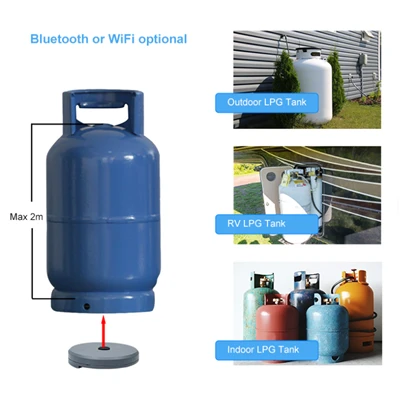
| Tank monitoring | Electronic monitors available ($50–$200) | Not applicable | One-time investment |
| Emergency refills | $2–$5/gal premium | N/A | Winter emergency fills are costly |
The hidden costs of propane: Propane heating's total cost includes not just the fuel price but also: tank rental ($50–$300/year) or the upfront cost of owning a tank ($500–$2,500), delivery fees ($0.10–$0.25/gallon on top of fuel price), emergency delivery premiums during cold snaps, and the cost of monitoring tank levels to avoid running out. Natural gas has none of these additional costs - the fuel is delivered through the pipeline with no delivery fee and no tank.
Frequently Asked Questions
Q1: Which is cheaper: propane or gas to heat your house?
Natural gas is almost always cheaper than propane to heat your house. In most U.S. regions, natural gas costs approximately $1.20–$2.00 per therm, while propane costs approximately $2.50–$4.00 per gallon. Per unit of heat energy, natural gas is approximately 40–65% cheaper than propane. For a typical home requiring 75–95 million BTU per heating season, natural gas heating costs approximately $700–$1,200 per year, while propane heating costs approximately $1,500–$2,700 per year - an annual savings of $600–$1,500 with natural gas. The gap narrows in areas without natural gas access (where propane becomes the cheapest practical heating fuel), and widens during winter propane price spikes. If you have access to natural gas, it is almost always the cheaper heating option.
Q2: Why is propane more expensive than natural gas?
Propane is more expensive than natural gas per BTU primarily because of supply and delivery infrastructure costs. Natural gas is delivered through an extensive pipeline network, making delivery costs relatively low. Propane must be produced as a byproduct of natural gas processing or petroleum refining, transported by truck to regional distribution centers, and then delivered by truck to individual homes - adding significant transportation and distribution costs at every step. Additionally, propane demand is highly seasonal (peaking in winter), which creates price volatility that drives prices higher during heating season. Natural gas demand is more stable year-round. These structural factors mean propane will almost always cost more per BTU than natural gas.
Q3: Is propane cheaper than electric heat?
Yes - propane is significantly cheaper than electric resistance heat. Propane provides approximately 91,500 BTU per gallon at $2.50–$4.00/gallon, while electric resistance heat provides approximately 3,412 BTU per kilowatt-hour at $0.12–$0.20/kWh. Per BTU, electric resistance heat costs approximately 30–40% more than propane. Propane is also typically comparable to or cheaper than heat pump heating, depending on the heat pump's efficiency rating (HSPF), local electricity rates, and local propane prices. For homes without natural gas access, propane is almost always the most cost-effective heating fuel available.
Q4: Is it worth switching from propane to natural gas?
Switching from propane to natural gas is worth it if the one-time infrastructure cost (gas line extension) is reasonable and you plan to stay in the home long enough to recoup the investment through annual heating savings. If a gas line extension costs $10,000 and you save $1,000 per year on heating costs, the payback period is 10 years. If the extension costs $30,000, the payback period extends beyond the typical home ownership period. Calculate your specific payback period: divide the total cost of the gas line extension and appliance conversion by your expected annual savings. If the payback is under 10 years and you plan to stay in the home, switching is financially worthwhile. If the extension is not available (rural property), switching is not an option.
Q5: What is the most cost-effective heating fuel in 2026?
The most cost-effective heating fuel in 2026 is natural gas where it is available, followed by propane (where natural gas is not available), then heat pump heating (depending on local electricity rates and climate), and finally electric resistance heat as the least cost-effective option. Wood and wood pellets are competitive in cost in regions with access to affordable firewood, but they require more active management than gas or propane systems. The exact ranking depends on your specific location, local fuel prices, and whether natural gas infrastructure is accessible. Check current local prices from your utility company and propane supplier to get accurate numbers for your specific situation.
The Bottom Line
Natural gas is almost always cheaper than propane to heat your house - typically 40–65% less expensive per BTU of heat energy, saving $600–$1,500 per year for a typical home. The reason is fundamental: natural gas is delivered through pipelines at low cost, while propane requires truck transportation and seasonal distribution, adding significant cost at every step. If you have access to natural gas infrastructure, it is almost always the cheaper heating option regardless of region. However, approximately 14% of U.S. households do not have natural gas access - for these homes, propane is typically the most cost-effective heating fuel available, costing 30–50% less than electric heat. The propane vs. natural gas cost comparison is not a comparison of two equally available options for most homeowners - it is a choice between what is available in your area. Where natural gas is available, it wins on cost. Where it is not available, propane is the practical choice. Understanding your local prices and calculating your specific annual cost is the best way to make an informed decision.
Last updated: July 2026
Disclaimer: This guide provides general information about which is cheaper: propane or gas to heat your house for educational purposes. Fuel prices vary significantly by region, season, and market conditions. Consult your local natural gas utility company and propane supplier for current pricing in your specific area. Annual heating costs vary based on home size, insulation quality, thermostat settings, winter severity, and appliance efficiency. This guide is not affiliated with, endorsed by, or sponsored by any propane equipment manufacturer.