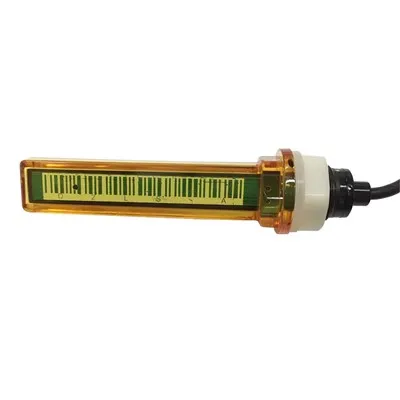
Why So Hard to Find a WiFi Propane Monitor? The Complete 2026 Guide
Curious why WiFi propane tank monitors seem so hard to find? This guide covers everything you need to know-from why these devices are poorly marketed, to the best hidden options available, why the propane industry lags behind technology, where to actually buy WiFi propane monitors in 2026, and exactly how to set up reliable remote propane monitoring for your home.
Why Is It So Hard to Find a WiFi Propane Monitor? (Quick Answer)
The short answer: WiFi propane monitors are hard to find because the propane industry is fragmented and conservative, most tank monitoring is done through expensive supplier-managed systems, retail stores don't carry smart propane monitors, and most WiFi options live on niche websites rather than Amazon or Home Depot. The products exist-they're just invisible to mainstream consumers.
Why it matters: Millions of propane homeowners desperately need smart tank monitoring but can't find it. Meanwhile, the technology has existed for years. Understanding why this gap exists helps you cut through the confusion and find real solutions-without paying $100–300/year for a supplier-managed monitoring system.
Why WiFi Propane Monitors Are So Hard to Find
The 7 Hidden Reasons Behind the Market Gap
Reason 1: The Propane Industry Is Shockingly Untechnical ⭐
The propane industry has been slow to adopt smart technology.
The propane industry is dominated by regional suppliers who have been doing things the same way for decades. Their business model doesn't depend on making tank monitoring easy-it depends on you running out of propane and calling them for emergency delivery.
The supplier mindset:
Suppliers profit from emergency deliveries (often $100–300 more than scheduled fills)
Easy tank monitoring means fewer emergency calls (less profit for suppliers)
Many suppliers actively discourage third-party monitoring systems
Some supplier contracts even restrict what monitoring equipment you can use
The result: Supplier-managed monitoring systems cost $100–300/year because they have no competition. Without market pressure, prices stay high and innovation stalls.
Reason 2: Most "Smart" Propane Monitoring Has a Hidden Subscription ⭐
The market is dominated by systems that nickel-and-dime you forever.
When you search for "propane tank monitor," most results are from propane suppliers offering their proprietary monitoring systems. These systems typically:
Require you to buy their monitoring hardware ($50–200 upfront)
Lock you into their propane supply contract
Charge monthly or annual fees ($10–30/month or $100–300/year)
Don't work with other suppliers or third-party platforms
Stop working if you switch propane providers
Why this makes finding WiFi options harder:
Search results are flooded with supplier monitoring ads
Most "smart tank monitoring" is actually supplier-managed subscription service
Independent WiFi monitors get buried under supplier marketing
Retail stores don't carry independent options
The irony: A DIY WiFi monitor costs $30–75 once and works with any supplier. But finding it requires knowing it exists.
Reason 3: The Products Exist-But They're Hidden on Niche Websites ⭐
The best WiFi propane monitors aren't on Amazon or Home Depot.
Here's the reality of where WiFi propane monitors are actually sold:
Where You Look What You Find Quality
Amazon Bluetooth monitors, expensive cellular options Mixed
Home Depot / Lowe's Analog gauges, tank scales Basic only
Walmart Exchange tanks, basic accessories Basic only
Propane supplier websites Proprietary monitoring systems with subscriptions Locked in
Google search Supplier ads and subscription services 90% locked-in
ESPHome community DIY solutions, free software Best value
Specialty IoT stores Commercial-grade monitors Best quality
The hidden gems:
SmartTank Pro WiFi ($120–180): Sold primarily on the manufacturer's website
Inovonics: Sold through commercial/industrial propane suppliers
DIY ESPHome solutions: Shared on Home Assistant forums, Reddit, GitHub
Mopeka products: Found on Amazon but often mislabeled or poorly explained
Reason 4: "Propane Tank Monitor" Is a Terrible Search Term ⭐
You're searching for the wrong thing-which is exactly what suppliers want.
The terminology is fragmented and confusing:
What homeowners search: "WiFi propane monitor," "smart propane tank," "propane tank sensor"
What suppliers call it: "Tank monitoring," "wireless tank monitoring," "auto-fill program," "tank level monitoring," "connected tank"
What IoT enthusiasts call it: "Ultrasonic tank level sensor," "ESP32 propane sensor," "Home Assistant tank monitor," "MQTT propane sensor"
What it actually is: An ultrasonic distance sensor + WiFi microcontroller
The naming problem:
Propane suppliers use vague marketing terms to obscure what the product does
Amazon product listings miscategorize propane monitors
DIY solutions don't have marketing at all
Google searches surface supplier ads, not independent options
Reason 5: The Propane Industry Is Highly Fragmented ⭐
No national brand has dominated the smart propane monitor market.
Unlike smart thermostats (Nest) or smart locks (August, Schlage), no company has created a dominant consumer brand for WiFi propane monitors. Here's why:
Fragmentation factors:
Propane is a regional market-most suppliers serve one state or region
National retailers don't invest in propane-specific smart products
Big tech (Google, Amazon, Apple) has zero interest in propane tanks
The DIY/ESPHome community has created better solutions but has no marketing budget
Patent issues and fragmentation have kept big players out
The result: No one is advertising "WiFi propane monitor" to mainstream consumers. The products exist in engineering circles but never reach homeowners.
Reason 6: Safety Regulations Create barriers ⭐
Propane tank hardware is subject to strict regulations that slow innovation.
Propane is classified as a hazardous material. Any device that attaches to a propane tank faces:
DOT regulations: Devices touching the tank must meet specific safety standards
Certification requirements: Some monitoring devices require certification
Supplier restrictions: Some suppliers prohibit third-party devices on tanks
Installation codes: Installation may need to follow local propane codes
Insurance considerations: Some insurance policies restrict tank modifications
The impact:
Manufacturers hesitate to enter the consumer market due to regulatory burden
Products that do exist are priced higher to cover compliance costs
DIY solutions exist in a legal gray area (though they're widely used)
Suppliers use safety regulations as an excuse to lock customers into their systems
Reason 7: Bluetooth Confused the Market ⭐
Most "smart" propane monitors are Bluetooth, not WiFi-which is why they seem inadequate.
The first generation of smart propane monitors were Bluetooth-only:
Mopeka Pro Check: Bluetooth only (no WiFi)
Generac LTE: Cellular (no WiFi)
Most cheap Amazon monitors: Bluetooth only
Why Bluetooth fell short:
Bluetooth only works within 30–50 feet of the tank
You have to physically stand near the tank to check the level
No remote access-you can't check from inside your house if you're too far away
Bluetooth requires a smartphone nearby (but doesn't transmit to the cloud)
The problem: "Smart" Bluetooth monitors gave the category a bad reputation. Homeowners tried them, found they didn't actually provide remote monitoring, and dismissed the entire category. This killed retailer interest in stocking WiFi options.
Where to Actually Find WiFi Propane Monitors in 2026
The Honest Guide to Buying Options
Option 1: DIY ESPHome - The Best Kept Secret ⭐
Why this is the best option-and why almost no one knows about it.
The ESPHome community has created free, powerful WiFi propane monitoring solutions. But you'll only find them on:
Home Assistant forums
Reddit (r/homeassistant, r/Propane)
ESPHome's official website
GitHub repositories
What you get:
Total cost: $30–75
WiFi connectivity (check from anywhere via Home Assistant)
Full Home Assistant integration
No monthly fees, ever
Complete customization
Community support
What you don't get:
A branded product with marketing
One-click Amazon purchase
Tech support phone number
Retail store availability
The catch: You need to be somewhat comfortable with technology. But the ESPHome community has made it incredibly easy-with step-by-step guides, pre-made configuration files, and active forums.
Option 2: SmartTank Pro WiFi - The Best Commercial Option ⭐
The best consumer-grade WiFi propane monitor-buried on the manufacturer's website.
Where to find it: The manufacturer's website (not Amazon)
Key features:
True WiFi connectivity (no Bluetooth bridge needed)
93–96% accuracy
Native MQTT for Home Assistant
No monthly fees
Local data only (no cloud dependency)
Multi-tank support
Price: $120–180
Why it's hard to find:
The manufacturer doesn't advertise on Amazon or Google
No retail presence
Relies on word-of-mouth and Home Assistant community recommendations
Home Depot and Lowe's don't carry it
Option 3: Inovonics FHEM - Commercial Grade
The most reliable option for serious users-found through industrial suppliers.
Where to find it: Industrial propane suppliers and commercial equipment distributors
Key features:
95–97% accuracy (highest in the industry)
Commercial-grade reliability
ESPHome compatible
Long-range WiFi option
No monthly fees
Price: $150–200
Why it's hard to find:
Primarily marketed to commercial/industrial propane users
Requires professional installation
Not consumer-focused
Not sold on Amazon
Option 4: Mopeka + WiFi Bridge - The Bluetooth Workaround
The accurate Bluetooth monitor made WiFi-capable with a bridge.
What it is: Mopeka Pro Check ($65–80) + WiFi bridge ($30–50)
Where to find it: Amazon (Mopeka), manufacturer's website (bridge)
Key features:
95–98% accuracy (best accuracy available)
Bluetooth sensor (mounted at tank)
WiFi bridge extends to your network
Check level via smartphone app
Works with Home Assistant (via bridge)
Price: $95–130 total
Why it's confusing: Most people find the Mopeka sensor on Amazon but don't know about the WiFi bridge. Without the bridge, it's just Bluetooth. With the bridge, it's a full WiFi monitor.
The DIY Solution: Building Your Own WiFi Propane Monitor
Why Building It Yourself Is Actually the Best Option
If you're frustrated by the lack of WiFi propane monitor options, building your own is surprisingly accessible:
Why DIY wins:
Costs $30–75 (vs. $120–250 commercial)
Full WiFi connectivity
Works with Home Assistant
No monthly fees
Total customization
Free software updates
Community support
The components:
ESP32 microcontroller ($5–10)
HC-SR04 ultrasonic sensor ($3–8)
Logic level shifter ($2–5)
Waterproof enclosure ($5–15)
Power supply ($5–10)
ESPHome software (free)
The process:
Buy components from Amazon or eBay
Flash ESPHome firmware (step-by-step guides online)
Install on your propane tank
Connect to WiFi
Add to Home Assistant
Check your propane level from anywhere-forever
Why Propane Suppliers Don't Want You to Know About WiFi Monitors
The Business Model That Keeps You in the Dark
Propane suppliers have a financial incentive to keep you dependent on them:
The emergency delivery profit model:
Scheduled delivery: $2.50–3.00/gallon
Emergency delivery: $3.50–5.00/gallon + $50–150 emergency fee
Average emergency delivery costs $150–400 extra
Easy tank monitoring eliminates emergency deliveries:
With a WiFi monitor, you know exactly when to schedule delivery
No guessing, no running out, no emergency fees
Suppliers lose $100–300 per customer per year in emergency delivery profits
What suppliers do instead:
Offer their own proprietary monitoring (with subscription fees)
Discourage third-party monitoring ("it might void your warranty")
Use vague marketing terms to obscure what products exist
Lock customers into contracts that restrict monitoring options
The hidden irony: Some supplier monitoring systems actually increase your costs while providing less functionality than a $75 DIY ESPHome solution.
What a Real WiFi Propane Monitor Should Cost
Breaking Down the True Cost
Solution Upfront Cost Annual Cost 5-Year Total Features
DIY ESPHome $30–75 $0 $30–75 Best features
SmartTank Pro WiFi $120–180 $0 $120–180 Commercial quality
Supplier managed (AmeriGas, etc.) $0–50 $100–300 $500–1,500 Locked in
Mopeka + bridge $95–130 $0 $95–130 Best accuracy
Generac 4G LTE $199–249 $0 $199–249 Cellular, no WiFi
The comparison:
DIY ESPHome saves $420–1,425 over 5 years vs. supplier monitoring
DIY ESPHome pays for itself in 1–2 emergency fill preventions
One avoided emergency delivery ($150–300) covers the entire DIY system cost
Frequently Asked Questions
Q1: Why are there no WiFi propane tank monitors at Home Depot or Lowe's?
A: Home Depot and Lowe's don't carry WiFi propane monitors for several reasons:
No dominant consumer brand: Unlike smoke detectors or thermostats, no major brand has created a household-name WiFi propane monitor
Propane is niche: Retail stores focus on high-volume products, and propane tanks are regional
Supplier lock-in: Propane suppliers want you to use their monitoring systems, not retail products
The DIY market is invisible: Most WiFi propane monitoring is done through ESPHome and Home Assistant, which have zero retail presence
Regulatory complexity: Propane monitoring products face certification requirements that discourage mass-market retail
The products exist-you just won't find them at big-box stores. Check manufacturer websites, Home Assistant community forums, and specialty IoT suppliers.
Q2: Are there any WiFi propane tank monitors on Amazon?
A: Amazon has limited WiFi propane monitor options, but what you'll find is confusing:
Mopeka Pro Check ($65–80): Bluetooth only, doesn't come with WiFi
Mopeka WiFi Bridge ($30–50): Sold separately, adds WiFi to Mopeka
Cheap Bluetooth tank monitors ($20–40): Bluetooth only, not true remote monitoring
SmartTank Pro WiFi ($120–180): Rarely found on Amazon, check manufacturer website
The search problem: Searching "propane tank monitor" on Amazon returns mostly Bluetooth devices and accessories. The WiFi options are either not listed, mislabeled, or buried in results. Amazon search favors products with high review volume, which puts newer, better WiFi options at a disadvantage.
Q3: Why do propane suppliers push their own monitoring systems?
A: Propane suppliers actively promote their monitoring systems because it benefits their business model:
Reduces emergency deliveries for competitors: If you're monitored, you call them for delivery before running out
Creates customer loyalty: Supplier monitoring systems often lock you into a supply contract
Generates recurring revenue: Monthly fees ($10–30/month) create steady income
Profit from emergency fills: Easy monitoring means you schedule delivery-but suppliers still profit from the "auto-fill" service fees
Data collection: Supplier systems track your usage, which has business value
The conflict of interest: Suppliers profit when you run out of propane (emergency deliveries cost $100–300 more). Easy, independent monitoring eliminates this profit center. That's why most supplier monitoring systems are expensive, proprietary, and designed to keep you locked into their service.
Q4: What is the best WiFi propane tank monitor for Home Assistant?
A: The best WiFi propane monitor for Home Assistant in 2026:
DIY option (best value): ESP32 + HC-SR04 ultrasonic sensor + ESPHome
Cost: $30–75
Integration: Native ESPHome
Monthly fees: $0
Customization: Unlimited
Best for: Home Assistant power users
Commercial option (best reliability): SmartTank Pro WiFi
Cost: $120–180
Integration: Native MQTT
Monthly fees: $0
Customization: Moderate
Best for: Homeowners who want plug-and-play
Best accuracy option: Mopeka Pro Check + WiFi Bridge
Cost: $95–130
Integration: Via bridge
Monthly fees: $0
Accuracy: 95–98% (highest available)
Best for: Those prioritizing accuracy above all
Q5: Can I use any WiFi device with my propane tank?
A: You can't use just any WiFi device-a propane monitor needs specific capabilities:
Ultrasonic or pressure sensor: To measure liquid level inside the tank
Propane-rated components: Sensors must be designed for propane use
Proper sealing: All connections must be weatherproof and leak-proof
Temperature compensation: Outdoor propane tanks need temperature-adjusted readings
MQTT or Home Assistant integration: For data transmission and display
What won't work:
❌ Generic WiFi temperature sensors (don't measure propane level)
❌ Water tank monitors (different physics, different calibration)
❌ Bluetooth-only devices (won't transmit over WiFi)
❌ WiFi cameras pointed at the gauge (inaccurate and impractical)
What does work:
✅ Dedicated propane tank WiFi monitors (SmartTank Pro, Inovonics)
✅ DIY ESPHome ultrasonic sensor systems
✅ Commercial industrial tank monitoring systems
Q6: Why is there no Nest or Ecobee equivalent for propane tanks?
A: No dominant smart propane monitor brand exists because:
Propane is regional: No national market means no mass-market brand investment
Fragmented suppliers: Hundreds of regional suppliers don't create demand for a national brand
Supplier lock-in: Propane suppliers actively prevent third-party competition
Big tech has no interest: Google, Amazon, and Apple have zero interest in propane tanks
DIY fills the gap: The Home Assistant and ESPHome community created better solutions than any commercial product-but without marketing budgets
Regulatory burden: Meeting propane safety standards is expensive and complex
The irony: The DIY ESPHome community has created a better product than anything commercial-it's just invisible to mainstream consumers. No one is advertising "WiFi propane monitor" the way Nest advertised "smart thermostat."
Q7: Is it safe to install my own WiFi propane tank monitor?
A: Yes-with proper precautions, DIY WiFi propane monitoring is safe:
Use existing monitoring ports only: Never drill into or modify the tank itself
Propane-rated sensors: Use sensors designed for propane tank monitoring
Proper sealing: Teflon tape and leak test all connections
Weatherproof electronics: Use IP65+ rated enclosures
Professional inspection: Have a propane technician verify the installation
Safety backup: Install a propane gas detector independent of the monitoring system
The key safety principle: The sensor installs at the monitoring port and never contacts propane directly-it measures liquid level from inside the tank. The electronics sit outside in a weatherproof enclosure. As long as you don't modify the tank itself and seal all connections, installation is safe.
Q8: Why are supplier propane monitoring systems so expensive?
A: Supplier monitoring systems cost $100–300/year because they have no competition in most markets:
Regional monopoly: Most propane customers have only 1–2 suppliers in their area
Locked-in customers: Once you sign a contract, switching suppliers is difficult
No price pressure: Without competitive alternatives, prices stay high
Subscription revenue model: Suppliers prefer recurring fees over one-time sales
The DIY alternative is invisible: Most homeowners don't know they can build their own for $30–75
The math:
Supplier monitoring: $100–300/year × 10 years = $1,000–3,000
DIY ESPHome: $30–75 one time
DIY savings over 10 years: $925–2,970
The solution: Choose a DIY option and escape the subscription trap. The technology exists, it's better than supplier systems, and it costs 95% less.
Q9: Can I use a cellular propane monitor instead of WiFi?
A: Yes-cellular monitors work when WiFi isn't available at your tank location:
Generac 4G LTE ($199–249, no monthly fee): True cellular monitoring
Mopeka Pro+ Cellular ($199–249, no monthly fee): Best accuracy + cellular
Supplier cellular systems: Often expensive and locked to the supplier
Cellular vs. WiFi comparison:
Feature WiFi Monitor Cellular Monitor
Range Within WiFi coverage Anywhere with 4G LTE
Monthly fee $0 $0 (2026 models)
Setup Connect to home WiFi Requires SIM/activation
Best for Home tanks with WiFi RVs, remote tanks
Reliability Depends on home WiFi Depends on cell coverage
Cost $30–200 $199–300
Choose cellular if: Your tank is far from your house, you don't have WiFi at the tank location, or you want monitoring for an RV.
Choose WiFi if: Your tank is near your house with good WiFi coverage, you want Home Assistant integration, and you want zero monthly fees.
Q10: How do I know if a propane monitoring system is a scam?
A: Red flags to watch for in propane monitoring products and services:
🔴 Requires a long-term contract: Legitimate monitoring doesn't lock you in
🔴 Exclusively through your propane supplier: They profit from your dependency
🔴 High monthly fees ($20–50/month): DIY solutions cost $0/month
🔴 "Works only with our propane": Independent monitors work with any supplier
🔴 No Home Assistant or MQTT support: Modern monitoring integrates with smart homes
🔴 Cloud-only with no local data: Your data should stay local
🔴 Poor or no online reviews: Check Reddit and Home Assistant forums for real user feedback
Green flags:
✅ No monthly fees
✅ Works with any propane supplier
✅ Home Assistant integration available
✅ Local data (MQTT) option
✅ Positive reviews in Home Assistant community
✅ Transparent pricing
Conclusion: Why Finding a WiFi Propane Monitor Is Hard-and What to Do About It
The core problem: WiFi propane monitors are hard to find because the propane industry is fragmented, conservative, and incentivized to keep you dependent on expensive supplier-managed systems. The products exist-they're just invisible to mainstream consumers.
The real solutions available right now:
Option Cost Best For Where to Find
DIY ESPHome $30–75 Home Assistant users Home Assistant forums, GitHub
SmartTank Pro WiFi $120–180 Plug-and-play homeowners Manufacturer website
Mopeka + WiFi Bridge $95–130 Accuracy priority Amazon + manufacturer
Inovonics FHEM $150–200 Commercial-grade needs Industrial suppliers
The path forward:
Stop searching big-box stores-they don't carry WiFi propane monitors
Ignore supplier ads-they want to lock you into expensive subscriptions
Go to the Home Assistant community-where the best solutions live
Build it yourself-$30–75, no monthly fees, works with any supplier
Never pay $100–300/year for a system that costs $30–75 to build
The bottom line: WiFi propane monitors exist-they're just hidden. The propane industry has every incentive to keep them invisible, and mainstream retailers have no interest in a niche product with no big-brand marketing. The DIY ESPHome community has solved this problem for anyone willing to spend 30 minutes learning the basics. The technology is better than anything commercial, it costs 95% less, and it works with any propane supplier. The only thing hard about WiFi propane monitoring is finding the information-which this guide has now given you.
Last updated: July 2026
Disclaimer: This guide provides general information about WiFi propane tank monitoring options for educational purposes. Always follow manufacturer guidelines and propane safety regulations. DIY modifications to propane systems should be performed by licensed professionals. Consult a licensed propane technician for any work involving pressurized propane systems.