Winter Propane Tank Safety Tips: The Complete Guide
In this guide: Everything you need to know about winter propane tank safety - covering cold-weather safety practices, winter storage, heating season risks, snow management, CO detection, and the complete FAQ for 2026.
Winter Propane Tank Safety Tips: Quick Answer
Winter propane tank safety comes down to five core practices: never overfill the tank (80–85% maximum year-round), keep the tank above 50% full entering cold weather, maintain all clearance distances from structures and ignition sources, install and test working carbon monoxide detectors near all propane appliances, and never store portable cylinders on their side. These five practices prevent the vast majority of winter propane incidents - from pressure emergencies to carbon monoxide accumulation to regulator freeze. Beyond these, winter introduces specific safety considerations that require attention: snow accumulation around tanks can block access for delivery and reduce required clearance distances; ice and frost on valves can prevent proper connections; freeze-thaw cycles accelerate coating corrosion on above-ground tanks; and closed windows during heating season make carbon monoxide buildup from malfunctioning appliances more likely. This guide covers every winter propane safety topic - from the five non-negotiable practices to the seasonal details that matter when temperatures drop.
The Five Non-Negotiable Winter Propane Safety Rules
Rules That Protect You All Winter Long
These five practices prevent the most common and most dangerous winter propane incidents:
Five non-negotiable winter propane safety rules:
| Rule | Why It Matters in Winter | How to Execute |
|---|---|---|
| Never overfill (80–85% max) | No expansion room when cold tank warms up = dangerous pressure | Fill before first freeze; never top off in cold |
| Keep tank above 50% full | Full tank performs best in cold; half-empty tank may fail to vaporize | Check gauge weekly; refill before reaching 50% |
| Maintain clearance distances | Snow reduces clearances; fire risk increases with heating season | Verify 5 feet from structures; 10 feet from ignition sources |
| Install and test CO detectors | Windows closed in winter = CO accumulation risk if appliances malfunction | Test monthly; replace batteries; replace detectors every 5–7 years |
| Never store cylinder on its side | Moisture enters valve; freezes in cold; blocks gas flow completely | Always store and transport upright |
Winter Propane Pressure: Understanding the Normal Changes
Why Lower Pressure in Winter Is Not Dangerous
Lower tank gauge readings in winter are normal physics, not a safety problem - understanding this removes unnecessary worry:
Winter propane pressure safety:
| Concern | Reality | Safety Assessment |
|---|---|---|
| Gauge reads much lower than summer | Normal - pressure drops with temperature | Safe - gauge reads pressure, not volume |
| Tank feels light when it is not empty | Normal - cold tank pressure is low | Safe - warm tank indoors to restore pressure |
| Burner flame is smaller in cold | Normal - reduced pressure limits gas flow | Safe - warm tank; do not overcompensate |
| Tank gauge reads zero in extreme cold | Normal - pressure below gauge range | Safe if tank is not actually empty; warm tank |
| Relief valve seems active in cold | Not normal - relief valve activates on high pressure, not low | Inspect tank; contact supplier |
| Tank pressure drops overnight | Normal - temperature dropped overnight | Safe - compare to actual temperature change |
Snow and Ice Management Around Propane Tanks
Keeping Your Tank Accessible and Safe
Snow accumulation creates specific propane safety concerns that require attention throughout the winter:
Snow and ice propane tank management:
| Issue | Risk | Action |
|---|---|---|
| Deep snow at tank base | Accelerates bottom corrosion; masks rust and damage | Brush snow from base after each storm |
| Snow covering tank top | Valve inaccessible for delivery; ice accumulates on valve | Brush snow from tank top regularly |
| Snow blocking delivery path | Cannot get refill when needed | Maintain clear path from road to tank |
| Snow reducing clearance distances | Snow drifts reduce effective clearance from structures | Measure and maintain 5-foot clearance even in deep snow |
| Ice on tank valve | Prevents proper connection for filling or use | Clear ice with dry cloth; never chip ice off valve |
| Snow on gas line | Ice load on exposed lines; potential damage | Inspect lines after heavy snow; brush off |
| Ice dams near tank | Water dripping and refreezing near tank base | Manage roof drainage away from tank area |
| Snow plow damage risk | Physical impact to tank from plow | Clearly mark tank location; keep snow removal aware |
Carbon Monoxide Safety in Winter: The Closed-Window Risk
Why Winter Is CO Season for Propane Users
Carbon monoxide safety becomes critical in winter because closed windows and doors trap CO if a propane appliance malfunctions:
Winter carbon monoxide safety:
| CO Risk Factor | Winter Reality | Mitigation |
|---|---|---|
| Windows closed | No fresh air exchange; CO accumulates | Install working CO detectors; crack window slightly when using propane appliances |
| Appliances run longer | More runtime = more opportunity for malfunction | Annual professional inspection of all propane appliances |
| Blocked vents | Snow or ice blocks outdoor appliance vents | Inspect and clear vents after each storm |
| Chimney blockage | Ice or snow blocks venting for vented appliances | Check venting before each heating season; inspect after storms |
| Sealed living spaces | Newer homes seal better; less air infiltration | Ensure mechanical ventilation is working; use kitchen/bathroom fans |
| CO buildup in garage | CO from running vehicles + propane = danger | Never run vehicles in attached garage with propane appliances |
CO Detector Placement and Maintenance
Where to Put Detectors and How to Test Them
Proper CO detector placement is the most important winter propane safety investment you can make:
CO detector placement and maintenance:
| Location | Why Here | Installation Notes |
|---|---|---|
| Near all sleeping areas | Detects CO before occupants are affected | Required by code; one per sleeping level minimum |
| Near propane furnace | Closest to primary heating appliance | 5–15 feet from furnace is ideal |
| Near propane water heater | Second most-run propane appliance | Near water heater; on same level |
| Near propane kitchen range | Intermittent but significant CO source | Not directly above stove; nearby on same level |
| Hallway outside bedrooms | Detects CO spreading from any room | Primary detection point for sleeping areas |
| Not in garage | Too much ambient CO from vehicles | Causes nuisance alarms |
| Not in bathroom | Steam triggers false alarms | Move detector outside bathroom |
| Not near air vents | Dilutes CO reading; misses real buildup | At least 15 feet from supply vents |
Regulating Propane Tank Pressure in Cold Weather
Preventing Freeze-Ups and Pressure Problems
Cold weather creates specific pressure management challenges that are preventable with the right practices:
Cold weather propane pressure management:
| Problem | Cause | Prevention |
|---|---|---|
| Regulator freeze | Moisture in propane freezing inside regulator | Never store cylinder on its side; use dry-fuel supplier |
| Low pressure at appliance | Cold tank generates less vapor pressure | Keep tank above 50% full; warm portable tanks before use |
| Intermittent pressure | Partially frozen regulator; fluctuating vaporization | Warm tank indoors; have regulator inspected |
| No pressure at all | Severe cold; tank near empty; or regulator failure | Warm tank; check level; test regulator |
| Relief valve releasing gas | Overfilled tank warming up; or tank exposed to fire | Never overfill; never expose tank to heat source |
| Gauge reads full but tank seems empty | Cold tank pressure low; gauge only reads pressure | Warm tank; actual volume unchanged |
| Frozen gas line | Moisture in line freezing | Have system professionally inspected; use moisture-removing filter |
Winter Propane Tank Inspections: What to Check
Monthly and Seasonal Safety Checks
Regular visual inspections catch winter propane problems before they become safety incidents:
Winter propane tank inspection checklist:
| Check | Frequency | What to Look For |
|---|---|---|
| Tank gauge reading | Weekly | Track level; refill before reaching 50% |
| Tank exterior condition | Monthly | Rust, coating damage, dents, physical damage |
| Relief valve condition | Monthly | Unobstructed; no rust; no paint coverage |
| Valve cap security | Monthly | Tight; not cracked or missing |
| Tank base and supports | Monthly | Stable; not corroded; not sinking |
| Area around tank | After each snowstorm | Snow cleared; no damage; clearances maintained |
| Gas line connections | Monthly | Signs of leaks; corrosion; damage |
| CO detector function | Monthly | Test button; replace batteries; replace unit every 5–7 years |
| Delivery path | After each snowstorm | Clear from road to tank for delivery truck |
| Signs of ice damage | Monthly | Ice buildup on valve; frost damage on tank or lines |
Outdoor vs. Indoor Propane Tank Safety in Winter
Where Tanks Are Safest in Cold Weather
Propane tanks - both above-ground and underground - are designed for outdoor installation, and outdoor storage is safer than indoor storage in every season including winter:
Outdoor vs. indoor propane tank safety comparison:
| Factor | Outdoor Tank | Indoor / Garage Tank | Winter Verdict |
|---|---|---|---|
| Gas leak dissipation | Immediate - gas disperses safely | Accumulates - creates explosion risk | Outdoor is safer |
| CO risk | None from tank itself | Minimal from tank; higher from appliances | Outdoor is safer |
| Temperature stability | Variable - exposed to cold | More stable - sheltered | Indoor marginally warmer |
| Performance (cold) | Affected by cold | Marginally less affected | No significant difference |
| Delivery access | Direct access for truck | May require moving tank | Outdoor is easier |
| Corrosion risk | Higher - precipitation and freeze-thaw | Lower - sheltered | Indoor marginally better for corrosion |
| Code compliance | Standard installation | Restricted in many jurisdictions | Outdoor is preferred |
| Recommended for winter | Yes - standard practice | Only if code permits and ventilated | Outdoor recommended |
Propane and Heating Season: Additional Winter Risks
What the Heating Season Adds to Propane Safety
The heating season introduces propane safety concerns that are specific to winter:
Heating season propane safety considerations:
| Risk | Why It Appears in Winter | Prevention |
|---|---|---|
| Increased propane consumption | Furnace runs constantly in cold weather | Monitor tank level; schedule deliveries before empty |
| Longer appliance runtime | More runtime = more wear and potential failure | Annual professional inspection before heating season |
| Blocked appliance vents | Ice and snow block exterior vents | Inspect and clear vents after each storm |
| Chimney and flue issues | Ice dams and snow block proper venting | Inspect before heating season; check after storms |
| Emergency heating decisions | Running out of propane in extreme cold is dangerous | Never let tank drop below 20%; refill at 30–40% |
| Power outage affecting electric appliances | Some propane appliances have electric components | Propane itself does not need electricity; know which appliances do |
| Ice on roofs near propane vents | Ice falling can damage vent pipes | Install snow guards; inspect after storms |
| Holiday cooking and heating load | Increased simultaneous propane use | Full tank before holidays; stagger heavy appliance use |
Common Winter Propane Safety Mistakes
What to Avoid
These mistakes cause most winter propane safety incidents:
| Mistake | Consequence | Prevention |
|---|---|---|
| Overfilling in fall before winter | No expansion room when tank warms = relief valve releases gas | Fill to 80–85% maximum only |
| Entering winter with half-empty tank | Severe cold-weather performance problems; may run out | Fill before first hard freeze; keep above 50% |
| Storing cylinder on its side in fall | Moisture enters valve; freezes in cold; blocks gas flow | Always store upright |
| Not testing CO detectors before heating season | CO from malfunctioning appliance goes undetected | Test monthly; replace batteries; replace unit every 5–7 years |
| Letting snow accumulate at tank base | Bottom corrosion accelerates; damage masked by snow | Brush snow away after each storm |
| Blocking delivery path with snow | Cannot get refill; runs out in coldest weather | Maintain clear path from road to tank |
| Using damaged or corroded tank in winter | Cold worsens existing damage; failure more likely | Inspect before winter; replace if damaged |
| Assuming gauge reading means full tank | Gauge reads pressure, not volume; cold tank reads low even when full | Track delivery history; use temperature-compensated monitor |
| Ignoring relief valve vent | Blocked relief valve cannot release excess pressure | Never cover; keep clear of ice and snow |
Frequently Asked Questions
Q1: What are the most important propane safety tips for winter?
The five most important propane safety tips for winter are, in order of priority: first, never overfill your propane tank beyond 80–85% of capacity - this is the most critical rule year-round, but it becomes especially important in winter when a cold tank that warms up (such as when it is brought indoors) has no room for propane to expand safely; second, keep your tank above 50% full throughout winter - a full tank maintains dramatically better pressure in cold weather and prevents the emergency of running out during a cold snap when refills may be delayed; third, install and maintain working carbon monoxide detectors near all sleeping areas and propane appliances - CO is the most serious winter propane risk because closed windows in heating season prevent natural ventilation, and CO from a malfunctioning appliance can be lethal before you smell it; fourth, never store or transport a propane cylinder on its side - this allows moisture to enter the valve, which freezes in cold weather and blocks gas flow entirely, making the cylinder appear empty when it is actually full; and fifth, keep the area around your propane tank clear of snow and maintain all required clearance distances - snow accumulation can reduce required clearances and block delivery access, creating safety and operational hazards that are entirely preventable with a few minutes of attention after each snowstorm.
Q2: Is it safe to use propane appliances during winter?
Yes - it is completely safe to use propane appliances during winter, provided that the appliances are properly maintained, properly ventilated, and equipped with working carbon monoxide detectors. The most important winter propane appliance safety practice is ensuring that all exterior appliance vents - furnace vents, water heater vents, range hood exhausts - are clear of snow and ice after each winter storm. Blocked vents can cause combustion products including carbon monoxide to back up into the living space. Before each heating season, have a qualified propane technician perform an annual inspection of all propane appliances, including the furnace, water heater, and any other propane-fired equipment. This inspection checks combustion efficiency, verifies proper venting, tests safety shutoffs, and ensures the system is ready for extended winter operation. During winter use, if you smell propane gas, hear a hissing sound near any propane equipment, or experience symptoms of carbon monoxide poisoning (headache, dizziness, nausea, confusion), evacuate the building immediately, call 911 from outside, and do not re-enter until emergency responders have cleared the space.
Q3: How does snow affect propane tank safety?
Snow affects propane tank safety in three primary ways: it can reduce required clearance distances by accumulating in drifts that push closer to the tank than the code-required minimum of 5 feet from structures and 10 feet from ignition sources; it can mask corrosion, rust, and coating damage at the tank base, allowing problems to develop unnoticed through the winter; and it can block delivery access, preventing you from getting a refill when you need it most. The prevention for all three is straightforward: after each significant snowstorm, brush snow away from the base of the tank, clear a path from the road to the tank wide enough for a delivery truck, and measure to confirm that clearance distances are still maintained even under accumulated snow. Snow accumulation on the top of the tank itself is not a structural concern - propane tanks are designed to handle snow loads - but heavy snow on the valve can make the valve difficult to access for delivery. Brushing snow off the top of the tank after storms is a simple practice that ensures delivery access is maintained.
Q4: Do I need carbon monoxide detectors for propane appliances in winter?
Yes - you need carbon monoxide detectors for propane appliances in winter, and this is not optional. Carbon monoxide detectors are required by building codes in most jurisdictions, and they are the single most important safety device for any home with propane appliances. The reason carbon monoxide safety is especially critical in winter is that cold weather prompts homeowners to close windows and doors, which dramatically reduces natural air exchange in the home. If a propane appliance malfunctions - due to a cracked heat exchanger, a blocked vent, improper combustion, or a drafting problem - the carbon monoxide it produces accumulates in the living space instead of dissipating. Carbon monoxide is invisible, odorless, and causes flu-like symptoms (headache, dizziness, nausea, confusion) that can be mistaken for illness. It kills hundreds of people in the United States every year. Install CO detectors on every level of your home, near all sleeping areas, within 15 feet of each propane appliance, test them monthly by pressing the test button, replace batteries at least annually, and replace the entire detector every 5–7 years regardless of whether it appears to be working, because CO detector sensors degrade over time.
Q5: What should I do if my propane tank runs out in winter?
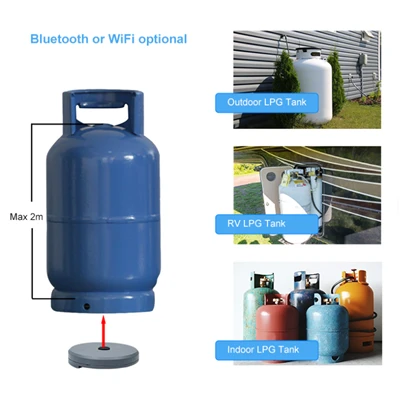
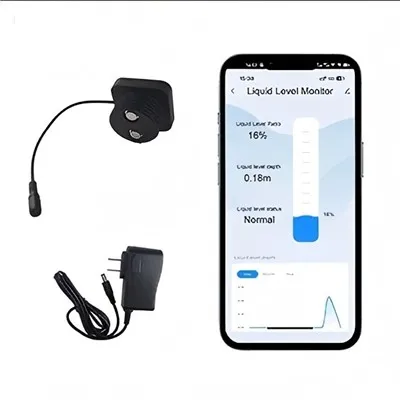
If your propane tank runs out in winter, do not attempt to reconnect or refill it yourself - call your propane supplier immediately and follow these steps: first, turn off all propane appliance valves and pilot lights, because an empty tank means the gas has stopped flowing and appliances may try to relight automatically when gas returns, creating a fire hazard; second, do not attempt to use any propane appliances until the tank has been refilled and a qualified technician has inspected the system - when an appliance runs out of gas and the gas is then restored, air can enter the gas lines and create a potentially dangerous situation that requires purging by a professional; third, if you smell propane gas at any point during or after the refill, evacuate the building immediately, eliminate ignition sources, and call 911 from outside; fourth, to prevent running out in the future, monitor your tank gauge weekly throughout winter, refill when the tank reaches 30–40% (never wait until it is empty), and consider installing a wireless tank monitor that sends alerts to your phone when the tank level drops to a set threshold - this technology eliminates the surprise of an empty tank and gives you time to schedule a delivery before you run out.
The Bottom Line
Winter propane tank safety is built on five non-negotiable practices - never overfill, keep the tank above 50% full, maintain clearance distances, install and test CO detectors, and never store cylinders on their side - combined with seasonal attention to snow management, appliance venting, and delivery access. These practices are not complicated, they do not require special equipment, and they prevent the vast majority of winter propane incidents. The seasonal additions that matter most are: clearing snow from the tank base and delivery path after each storm (which takes five minutes and prevents running out in the coldest weather), keeping exterior appliance vents clear of ice and snow (which prevents CO accumulation from blocked venting), and testing your carbon monoxide detectors before the heating season begins (which is the single most important life-safety investment you can make). With these practices in place, propane is one of the safest, most reliable, and most efficient fuels you can use through the coldest days of winter.
Last updated: July 2026
Disclaimer: This guide provides general information about winter propane tank safety for educational purposes. Always follow your propane supplier's and local fire authority's specific safety and installation requirements. Propane system inspection and repair must be performed by licensed propane professionals. If you smell propane gas, turn off the gas immediately, evacuate the area, and call 911. If you suspect carbon monoxide exposure, evacuate immediately and seek medical attention. This guide is not affiliated with, endorsed by, or sponsored by any propane equipment manufacturer.