Best Water Leak Detector Systems
Water damage is one of the most expensive "small" home problems: a slow drip under a sink can ruin cabinets, flooring, drywall, and even trigger mold before you notice. The good news is that today's water leak detectors range from simple alarms to a full whole home leak detection system that can shut water off automatically. This guide breaks down the Best Water Leak Detector Systems, how they work, what to buy for your situation, and practical ways to how to prevent water damage-without overcomplicating your setup.
What causes water leaks in homes (and where they start)
Understanding what causes water leaks in homes helps you place sensors where they matter most. Common causes include:
Aging supply lines (toilet, sink, dishwasher, fridge)
Loose fittings and failed washers
Water heater corrosion and relief valve discharge
HVAC condensate clogs and overflow pans
Frozen/thawing pipes and pinhole leaks in copper
High water pressure stressing joints and valves
High-risk locations:
Under sinks, behind toilets, near tubs/showers
Laundry room (washer hoses and drain)
Near the water heater (pan + relief valve area)
Under dishwashers and refrigerators (ice maker lines)
Basement/crawlspace low points (ideal water leak sensor for basement placement)
Water leak detector vs moisture sensor: what's the difference?
People often search water leak detector vs moisture sensor and end up confused. In practice:
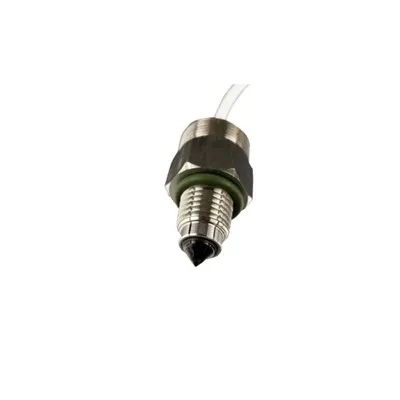
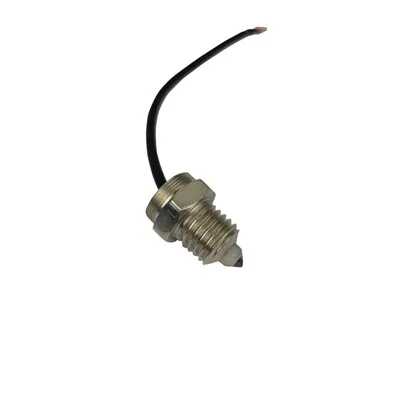
Leak detection devices (point sensors) typically trigger an alarm when water bridges two probes or contacts a sensing pad. They're great for sudden leaks and pooling.
"Moisture sensors" sometimes refer to soil/plant sensors, or to building-material humidity sensing. For home plumbing protection, you usually want a leak alarm-style detector that reacts fast to water on the floor.
If your goal is immediate alerting and flood prevention, prioritize dedicated leak detection devices with loud alarms, app alerts, and reliable connectivity.
Best Water Leak Detector Systems: the 3 main categories
1) Standalone alarms (budget-friendly)
These are simple water leak detectors with a buzzer. Best for quick wins and rentals. Pros: inexpensive, fast install, no hub required Cons: no phone alerts, limited history/diagnostics
2) Smart spot sensors (best value for most homes)
A smart water leak detector sends push notifications (and sometimes email/SMS via integrations). Look for a wireless water leak sensor with:
Strong signal (Wi‑Fi direct or hub-based)
Low battery alerts water sensor feature
Loud local siren (not just app alerts)
Optional external probe/rope sensor for long runs (behind appliances)
Great pairings:
Under-sink sensor + rope behind dishwasher/fridge
Water leak alarm for water heater placed at the pan edge or low point
Extra sensor by HVAC condensate drain
3) Whole-home automatic shutoff systems (maximum protection)
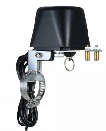
A whole home leak detection system monitors flow at the main line and can stop major losses using an automatic water shutoff valve. Many also detect unusual continuous flow (like a running toilet) and can alert you before a disaster.
Pros: can stop catastrophic leaks when you're away; broad coverage Cons: higher cost; professional install may be preferred; needs compatibility checks
What to look for when choosing a system
Use these criteria to compare the Best Water Leak Detector Systems for your situation:
Detection coverage
Spot sensors for appliances/fixtures
Mainline flow monitoring for hidden issues and burst protection
Alert reliability
App notifications + local siren
Clear low battery alerts water sensor and offline alerts
Power and backup
Battery life and easy replacement
Shutoff valve systems with battery backup for outages
Integration
Smart home platforms and automations (optional)
Environmental fit
Temperature/humidity readings can help in basements and crawlspaces
Total cost
Sensors + hubs + subscriptions (if any)
Installation and any plumbing modifications
Best setups by living situation (practical recommendations)
Best leak detector for apartments
If you rent, skip plumbing modifications and go with smart spot sensors:
1 sensor under kitchen sink
1 sensor behind toilet or vanity
1 sensor by the water heater/utility closet if accessible This approach is usually the best leak detector for apartments because it's portable, easy to remove, and still catches most common failures.
Single-family homes: balanced protection
A strong "layered" plan:
Smart spot sensors in every high-risk room
Add one sensor at the lowest point of the basement (ideal water leak sensor for basement)
Consider a mainline shutoff if you travel often or have a finished basement
Homes with high-risk appliances (water heater, laundry, ice maker)
Prioritize:
Water leak alarm for water heater
Rope sensor behind washer and fridge
Extra sensor under dishwasher toe-kick area (or adjacent low point)
Smart water shutoff vs manual valve: which is worth it?
A common decision is smart water shutoff vs manual valve. A manual valve is cheap and reliable-but only works if someone is home, awake, and knows there's a leak. A smart shutoff can react in minutes (or automatically) when flow patterns indicate a burst pipe.
Choose a smart shutoff if:
You're away from home often
Your home has multiple floors or finished areas below plumbing
You want "set-and-forget" protection and faster response
Stick with manual + sensors if:
You rent or can't modify plumbing
You want the lowest upfront cost and can respond quickly to alerts
Leak detection system installation guide (simple placement plan)
Use this leak detection system installation guide to get immediate value:
Start with the biggest loss points
Water heater pan edge/low point
Washing machine hoses and drain area
Add kitchen protection
Under sink + rope behind dishwasher/fridge
Cover bathrooms
Behind toilet base area (not where it gets mopped frequently)
Under vanity traps and supply lines
Basement/crawlspace
Place sensors at the lowest point and near sump/utility areas
Test alerts
Wet a fingertip and touch probes to confirm alarm + app notification
Set notification rules
Enable critical alerts, assign household contacts, and confirm low battery alerts water sensor settings
How to detect hidden pipe leaks (before you see water)
Beyond floor sensors, here's how to detect hidden pipe leaks:
Watch for unexplained spikes in water bills
Listen for water flow when all fixtures are off
Check for warm spots on floors (hot line leaks) or musty smells
Use a mainline monitor to flag continuous low flow
Do a simple meter test: turn everything off and see if the meter still moves
These steps complement spot sensors and help how to prevent water damage from slow, behind-the-wall leaks.
Reduce insurance claims with leak detection
Many homeowners add detectors to reduce insurance claims with leak detection by catching small leaks early and limiting severity. Even when discounts aren't available, preventing one major incident can easily justify the cost of quality water leak detectors and a shutoff system.
Takeaway: the best system is the one you'll actually deploy
The Best Water Leak Detector Systems aren't just the most advanced-they're the ones matched to your home and installed in the right places. Start with a smart water leak detector (or several wireless water leak sensor units) at the water heater, laundry, and under sinks. If you want maximum protection, upgrade to a whole home leak detection system with an automatic water shutoff valve. Layered detection plus good placement is the fastest path to fewer surprises, faster response, and real peace of mind.
Estimated word count (article body): ~975 words.