Enhancing Leak Defense Systems for Safety
Water leaks don't usually announce themselves with a dramatic burst pipe. More often, they start quietly-behind a wall, under a sink, or along a foundation-until a small drip becomes a costly repair. That's why upgrading your Leak Defense System isn't just a "nice-to-have" gadget project; it's practical water leak protection and real water damage prevention for your home or business. The goal is simple: detect trouble early and stop it fast, ideally before you ever see a stain, smell mildew, or replace drywall.
What a Leak Defense System actually does
A modern Leak Defense System is typically a combination of:
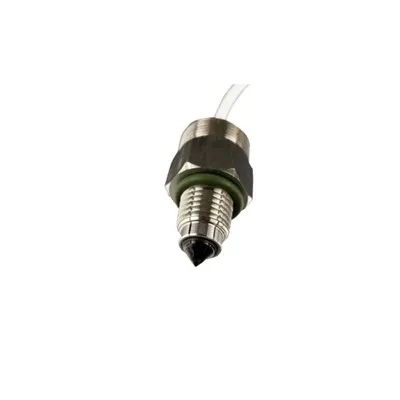
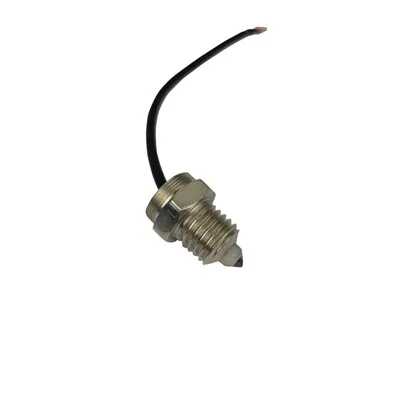
A water leak detection system (sensors that notice water where it shouldn't be)
A control/alert method (app notifications or alarms, including WiFi water sensor alerts)
Sometimes a whole home water shutoff valve that can stop water automatically
Think of it like a smoke alarm plus a fire sprinkler: one warns you, the other limits the damage.
Why leaks happen: the "hidden" causes most people miss
Understanding what causes hidden water leaks helps you place sensors and choose the right setup. Common culprits include:
Aging supply lines, washers, and toilet fill valves
Loose fittings under sinks and behind appliances
Temperature swings that stress pipes
Water pressure that's too high
Small pinhole leaks in copper or corrosion in older plumbing
Add everyday chaos-kids, pets, vacations-and it's easy to see why pipe leak monitoring technology matters.
Core components to upgrade for better protection
1) Smart leak sensors (spot detection)
These are small devices placed where leaks start. If you're shopping for the best leak detector for home, prioritize:
Loud local alarm (you'll hear it at night)
App push notifications and WiFi water sensor alerts
Replaceable batteries and clear low-battery warnings
A design that can sit flat and still detect small puddles
Good locations include: under sinks, behind toilets, near the water heater, by the dishwasher, and in laundry rooms.
2) Flow-based monitoring (whole-system detection)
Some systems watch your water usage patterns and detect unusual flow-helpful for leaks that never reach the floor. This is a different kind of pipe leak monitoring technology that can catch running toilets or slow line leaks.
3) Automatic shutoff (damage control)
A sensor-only system alerts you-but you still have to act. Adding a shutoff can dramatically reduce risk:
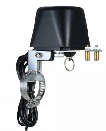
A whole home water shutoff valve can stop water to the entire property.
With automatic shutoff valve plumbing, the system can close the valve as soon as a leak is detected (or when abnormal flow is detected).
This is one of the biggest upgrades you can make for true water damage prevention.
Water shutoff valve vs leak sensor: what you really need
The question comes up constantly: water shutoff valve vs leak sensor-which is better?
Choose leak sensors if you want low cost, quick setup, and targeted protection in the highest-risk spots.
Choose a whole home water shutoff valve if you travel, have a second home, or want protection even when nobody is there to respond.
Choose both for the strongest Leak Defense System: sensors find the puddle, the valve limits the catastrophe.
Smart water leak sensor installation tips (so alerts are actually useful)
Smart water leak sensor installation is easy, but placement strategy is everything:
Put sensors where water would appear first (low points, under fittings).
Keep sensors accessible so you'll actually replace batteries.
Avoid placing them where routine splashes trigger false alarms (unless you can reposition).
Label sensors in the app by room ("Laundry-Washer Hose") so alerts are clear.
If your system supports it, test notifications on cellular data (not just home WiFi) to confirm you'll still get alerts during an outage.
Prevent basement flooding solutions that pair well with leak defense
Basements are high stakes: a little water quickly becomes mold, warped flooring, and ruined storage. Along with a Leak Defense System, consider these prevent basement flooding solutions:
Sump pump with battery backup
Water-powered backup pump (where permitted)
Grading and downspout extensions to move water away from the foundation
Backwater valve (for sewer backup risk)
Leak sensors near the sump pit, water heater, and basement bathroom
These layers work together: leak detection handles indoor plumbing; drainage and pumps handle groundwater and storms.
Commercial water leak monitoring: scaling the same idea
For property managers, retail spaces, and offices, commercial water leak monitoring is often about reducing downtime and protecting multiple units. Practical upgrades include:
Sensors in every mechanical room, restroom bank, and break room sink cabinet
Centralized dashboards for multiple locations
Automatic shutoff by zone (so one leak doesn't shut down the entire building)
Commercial setups also benefit from clear maintenance routines-who receives alerts, who responds, and how after-hours calls are handled.
Leak detection system cost: what to expect (and how to budget)
Leak detection system cost varies widely depending on how comprehensive you go:
Basic sensor kits are typically the lowest entry cost (good for apartments and starters).
Whole-home monitoring plus shutoff costs more, especially if plumbing access is difficult.
Professional installation may be worth it if you need valve work, permits, or old pipes adapted.
A helpful way to budget: start with sensors in the top 5 risk zones, then add the shutoff valve upgrade when you're ready.
How to test leak sensors (don't skip this)
People install sensors and never check them again-until the day they fail. Here's how to test leak sensors in a simple routine:
Use the device's built-in test button (if it has one).
Confirm the app alert arrives (push notification and/or email/text).
Touch the sensor contacts with a damp paper towel (not dripping).
Verify the alarm sounds and the alert identifies the correct room.
If you have an automatic valve, confirm it triggers the shutoff action (then reopen).
Do this quarterly, and any time you change your router or WiFi password.
Insurance discount water leak sensors: a hidden perk
Many insurers encourage mitigation. In some cases, insurance discount water leak sensors (and shutoff valves) can help you qualify for lower premiums or credits. The requirements vary-some want proof of installation, specific device types, or professional install-so it's worth asking your carrier before you buy.
Leak detection system alternatives (and why they're not enough alone)
There are leak detection system alternatives that help, but they're not full substitutes:
Manual checks (looking under sinks, watching your water bill)
Water alarms without app alerts
Basic drip pans under appliances
Regular plumbing inspections
These are useful, but they don't provide the same fast response as a connected water leak detection system-especially when you're asleep or away.
Takeaway: build a layered Leak Defense System
The best protection is layered: smart sensors for immediate detection, whole-home monitoring for hidden leaks, and a shutoff valve to limit damage. Start small if you need to-but start. A well-planned Leak Defense System is one of the most practical upgrades you can make for long-term water leak protection and reliable water damage prevention.
Estimated word count (article body): ~980 words.