FDC1004: Basics of Capacitive Sensing and Applications
Capacitive sensing turns small changes in electric field behavior into useful data. For engineers building touchless interfaces, proximity detection, liquid level measurement, or material sensing, the FDC1004 offers a practical path from electrode design to digital output.
The FDC1004 is a 4-channel capacitance-to-digital converter from Texas Instruments designed for capacitive sensing applications. It supports an I²C interface, operates from a 3 V to 3.6 V supply range, and includes integrated shield drivers that help reduce electromagnetic interference and focus the sensing direction of a capacitive sensor. (ti.com)
Whether you are learning the basics of capacitive sensing or selecting a device for a production design, this page explains how the technology works, where the FDC1004 fits, and what to consider before you start your layout.
Why Capacitive Sensing Matters
Capacitive sensing detects a change in capacitance between a sensor electrode and its surrounding environment. When a hand, liquid, object, or conductive target approaches the electrode, the electric field changes. A capacitive sensing front end measures that change and converts it into data your microcontroller can interpret.
This makes capacitive sensors useful when the design needs:
Contactless detection
Operation behind plastic, glass, or other nonconductive surfaces
Low mechanical wear compared with switches or moving parts
Hidden or sealed interfaces
Sensitivity to small environmental changes
Flexible electrode shapes for compact enclosures
For product teams, that means capacitive sensing can support cleaner industrial designs, more robust sealed products, and sensing functions that may be difficult to achieve with mechanical alternatives.
What the FDC1004 Does
The FDC1004 acts as the measurement bridge between a physical electrode and a digital system. Instead of building a complete analog capacitance measurement circuit from discrete components, designers can use the FDC1004 to measure capacitance changes and send results to a host processor over I²C.
The device is built for systems that need multiple capacitive sensing inputs. According to TI product information, the FDC1004 has 4 input channels, 24-bit resolution, an I²C interface, and an operating temperature range of minus 40°C to 125°C. (ti.com)
In practical terms, that makes it suitable for applications where you need to monitor several electrodes, compensate for environmental variation, or separate sensing zones in a compact product.
Key Benefits for Capacitive Sensor Designs
Multi-channel sensing in one device
With four capacitive input channels, the FDC1004 can support multi-electrode layouts. This is useful for designs such as segmented proximity areas, reference sensors, differential-style measurements, or multiple liquid level points.
High-resolution measurement
Capacitive sensing often depends on detecting very small changes. TI's FDC1004 datasheet describes a measurement resolution of 0.5 fF, with each channel having a full-scale range of ±15 pF and the ability to handle sensor offset capacitance. (ti.com)
That combination is important because real electrodes often include baseline capacitance from board layout, cables, enclosure materials, or the sensor geometry itself.
Integrated active shield drivers
One of the FDC1004's major advantages is its active shield capability. Shielding can help reduce unwanted parasitic capacitance and improve directionality by encouraging the sensor to respond more strongly in the intended sensing area. TI notes that the FDC1004 includes shield drivers for sensor shields, which can reduce EMI interference and help focus capacitive sensor direction. (ti.com)
Digital interface for embedded systems
The I²C interface simplifies integration with many microcontrollers and embedded platforms. This helps reduce analog design complexity and makes the FDC1004 capacitive sensing workflow more approachable for firmware-driven systems.
Common Applications
The FDC1004 can be considered for a wide range of capacitive sensing applications, especially where contactless measurement or sealed design is valuable.
Proximity sensing
Use a conductive electrode to detect the presence or approach of a hand, object, or body. Proximity sensing can enable wake-up functions, gesture-adjacent detection, presence awareness, and user interfaces hidden behind a front panel.
Liquid level sensing
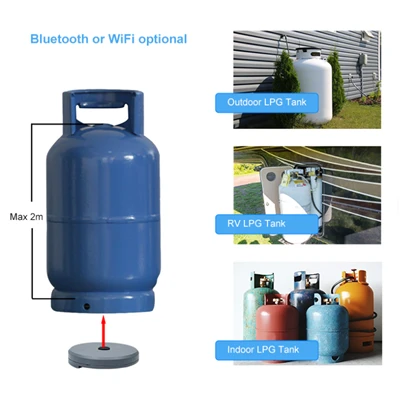
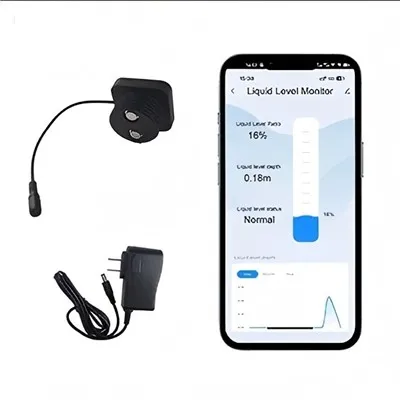
Capacitive sensors can detect changes caused by liquid near or around an electrode. In suitable container designs, this can support non-contact liquid level measurement through a nonconductive wall, reducing the need for exposed probes.
Touchless user interfaces
For appliances, medical devices, industrial controls, and consumer electronics, capacitive sensing can support buttons or sliders placed behind plastic or glass. This helps create surfaces that are easier to clean and more resistant to dust or moisture ingress.
Material and object detection
Capacitance changes can indicate the presence, position, or type of nearby material. This can be useful in automation, dispensing systems, access control, and smart product enclosures.
Environmental and reference sensing
Because temperature, humidity, mechanical position, and nearby objects can affect capacitance, designers often use one channel as a reference. A reference electrode can help the system distinguish the target signal from background drift.
Design Considerations Before You Build
Great capacitive sensing performance depends on more than the IC. The electrode, enclosure, cable routing, grounding, shield placement, firmware filtering, and calibration strategy all affect the final result.
Before you finalize your design, consider the following:
Electrode size and shape: Larger electrodes can increase sensitivity, but may also pick up more environmental noise.
Target distance: Sensitivity drops as the target moves farther away, so the mechanical design should match the sensing requirement.
Enclosure material: Plastic and glass are common choices, while metal barriers usually block or redirect the electric field.
Parasitic capacitance: PCB traces, connectors, and cables can add baseline capacitance that must be managed.
Shielding strategy: Active shields can improve directionality and help reduce interference when designed correctly.
Calibration: Baseline measurement and drift compensation are important for stable operation over time.
Noise environment: Motors, power supplies, displays, and wireless systems can introduce interference that should be addressed in layout and filtering.
Product Highlights
The FDC1004 is a strong fit when your design needs a compact capacitive sensing front end with digital output and multiple channels.
Highlights include:
4-channel capacitance-to-digital conversion
Support for capacitive sensing electrodes
Integrated active shield drivers
I²C interface for microcontroller communication
3 V to 3.6 V supply operation
Wide operating temperature support for demanding environments
Suitable for proximity, liquid level, touchless interface, and object detection designs
Pricing and availability can vary by distributor, package, order quantity, and region, so check your preferred authorized supplier or product sourcing channel when planning production.
How to Start Prototyping
A good FDC1004 capacitive sensing project starts with a simple prototype. Begin with one electrode and a known target, then evaluate baseline capacitance, signal change, and environmental behavior. Once the basic measurement is stable, expand to additional electrodes, add shielding, and refine the firmware.
Recommended development steps:
Define the target: hand, liquid, object, or material.
Estimate the sensing distance and required response time.
Create a simple electrode geometry.
Measure baseline behavior with no target present.
Add the target and evaluate signal change.
Test with enclosure materials and real cable lengths.
Add shielding if needed for directionality or noise reduction.
Implement calibration, thresholds, and filtering in firmware.
Built for Engineers Exploring Capacitive Sensors
If you are comparing capacitive sensors or learning how capacitive sensing behaves in real products, the FDC1004 provides a focused solution for multi-channel measurement. It is especially useful when you want a device that combines capacitance-to-digital conversion, active shielding support, and embedded-system connectivity.
For best results, treat the FDC1004 as part of a full sensing system. The IC matters, but so do the electrode, housing, firmware, and calibration approach. With the right design process, FDC1004 capacitive sensing can support reliable, elegant, and contactless product experiences.
Ready to Design With the FDC1004?
Start by mapping your sensing goal, electrode locati0n, and environmental constraints. Then prototype early, measure often, and refine the mechanical and electrical design together.
If your next product needs contactless detection, sealed controls, or precise capacitive measurement, the FDC1004 is a practical device to evaluate for your capacitive sensing design.