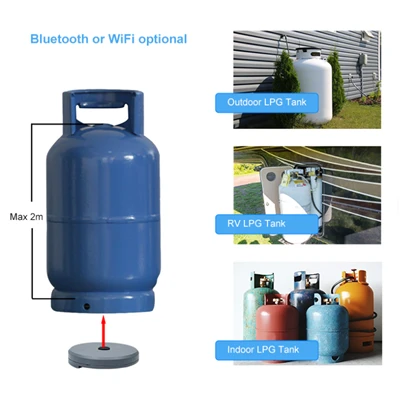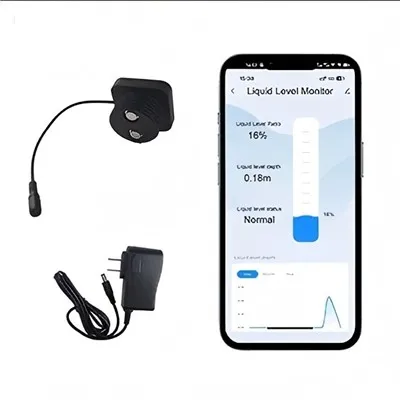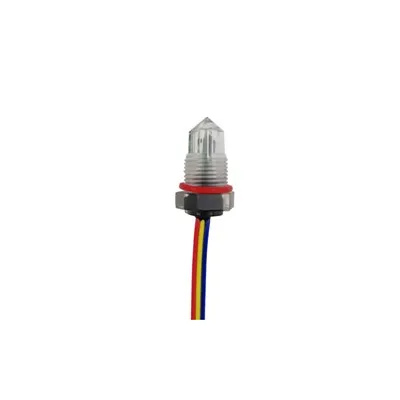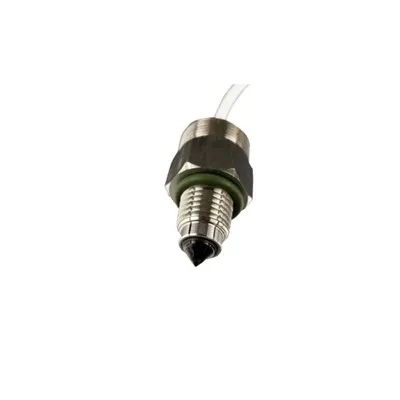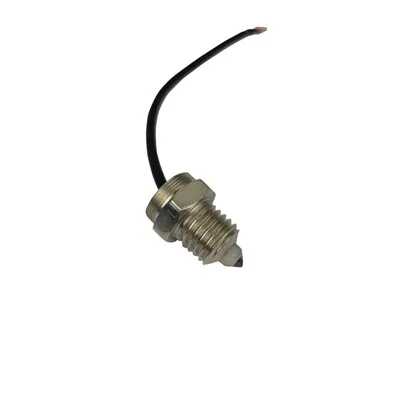
Measurement of level in a tank using capacitive type level probe
Reliable Tank Level Measurement Without Moving Parts
When your process depends on knowing exactly how much liquid is in a tank, you need a measurement solution that is stable, low-maintenance, and built for industrial environments. A capacitive level probe offers a practical and efficient way to monitor liquid levels in storage tanks, process vessels, dosing systems, sumps, and other applications where dependable level detection is essential.
Designed around proven capacitance measurement principles, this liquid level probe detects changes in level by measuring the variation in capacitance between the probe and the tank wall or reference electrode. As the liquid rises or falls, the dielectric conditions around the probe change, allowing the sensor to provide accurate level information for monitoring, automation, and control.
Whether you need continuous level measurement, point level detection, overflow protection, or dry-run prevention, a capacitive solution can be configured to match your tank, liquid type, installation style, and control system.
Built for Practical Industrial Level Control
A capacitive sensor is especially valuable in applications where mechanical float switches, moving arms, or contact-based measuring devices may wear out, become jammed, or require frequent maintenance. With no moving components in the sensing mechanism, the capacitive level probe is ideal for facilities that want dependable performance and reduced downtime.
It can be used in many common tank level applications, including:
Water and wastewater tanks
Chemical storage tanks
Oil and lubricant reservoirs
Food and beverage process vessels, when compatible materials are selected
Coolant and cutting fluid tanks
Plastic or metal storage tanks
Intermediate bulk containers
Process batching systems
Pump protection systems
High-level and low-level alarms
The result is a flexible tank level measurement device that supports safer operation, better inventory awareness, and more consistent process control.
How the Capacitive Level Probe Works
The probe acts as one plate of a capacitor. The tank wall, reference tube, or secondary electrode acts as the other. Air and liquid have different dielectric properties, so the capacitance changes as the level of liquid around the probe changes.
For continuous measurement, the electronics convert this capacitance change into a proportional output signal that can be read by a PLC, controller, display unit, or monitoring system. For point level detection, the probe can trigger an output when the liquid reaches a defined level.
Because the measurement is electrical rather than mechanical, the sensor can respond quickly and consistently, even in compact tanks or locations where float movement would be limited.
Key Features
No Moving Parts
The sensing method does not rely on floats, pulleys, hinges, or mechanical linkages. This helps minimize wear and reduces the risk of sticking caused by residue, turbulence, or restricted tank geometry.
Suitable for Conductive and Non-Conductive Liquids
A capacitive level probe can often be selected or configured for a wide range of liquids, including conductive fluids such as water-based solutions and non-conductive fluids such as oils. Proper application review is recommended to confirm compatibility.
Continuous or Point Level Options
Choose the measurement style that fits your process:
Continuous level output for real-time tank monitoring
High-level detection for overflow prevention
Low-level detection for pump protection
Multi-point control for filling and emptying sequences
Easy Integration With Control Systems
Depending on the model and configuration, the probe can be integrated with common control equipment such as PLCs, relays, indicators, alarms, and process controllers. Output options may vary by application and selected electronics.
Compact Tank Installation
The slim probe design makes it suitable for tanks where space is limited. It can be mounted from the top, side, or other suitable access points, depending on tank design and measurement requirements.
Stable Performance in Demanding Conditions
With the right material selection, the probe can be used in environments where moisture, process vapors, splashing, and normal tank movement are present. For applications involving aggressive chemicals, high temperatures, pressure, or sanitary requirements, compatible materials and process connections should be selected during specification.
Benefits for Your Operation
Improve Process Visibility
Accurate tank level measurement allows operators and automated systems to understand what is happening inside the tank without manual checking. This helps reduce guesswork and supports better production planning.
Reduce Maintenance Time
Because the capacitive sensor has no moving parts, it can reduce the maintenance burden compared with mechanical level switches. Fewer moving components also mean fewer parts exposed to mechanical failure.
Help Prevent Overflow and Dry Running
A properly installed liquid level probe can trigger alarms, stop filling, start pumping, or shut down equipment when a preset level is reached. This can help protect pumps, prevent product loss, and improve site safety.
Support Automation
When connected to a controller, the probe can become part of a complete tank automation system. It can help regulate filling cycles, dosing processes, transfer operations, and inventory monitoring.
Adapt to Different Tank Materials
Capacitive measurement can be applied to metal tanks and many non-metallic tanks with suitable configuration. In some cases, an internal reference electrode may be used when the tank wall cannot serve as the reference surface.
Typical Product Configuration
Each capacitive level probe can be selected according to the needs of the application. Common configuration factors include:
Probe length based on tank height or required switching point
Probe material based on liquid compatibility
Process connection based on tank fitting
Output type based on control system requirements
Continuous or point level measurement mode
Housing style based on environment
Cable or connector termination
Temperature and pressure suitability
Coating or insulation requirements when needed
Because tank designs and liquids vary, it is best to confirm the correct specification before ordering.
Application Suitability
A capacitive level probe is a strong choice when you need a compact, reliable, and low-maintenance level measurement method. It is particularly useful when:
Mechanical floats are unreliable or impractical
The tank has limited internal space
Level data is needed for automation
Liquids are clear, opaque, foaming, or difficult to visually inspect
A non-mechanical probe is preferred
Multiple tanks need consistent monitoring
Overflow or low-level protection is required
For applications with heavy coating, crystallization, sticky buildup, strong agitation, or unusual dielectric behavior, an application review is recommended. This ensures that the capacitive level probe is correctly selected and adjusted for reliable operation.
Pricing and Ordering
Pricing depends on the probe length, material, process connection, output type, electronics, and any application-specific requirements. Standard configurations may be suitable for many common tank level measurement applications, while custom versions may be recommended for specialized fluids or installation conditions.
To receive an accurate quotation, provide the following details:
Tank height and shape
Tank material
Liquid name or type
Operating temperature
Operating pressure, if applicable
Required measurement range or switching level
Preferred mounting locati0n
Desired output signal
Any chemical compatibility requirements
This information helps ensure that the recommended liquid level probe is properly matched to your process.
Why Choose a Capacitive Type Level Probe?
A capacitive sensor provides an effective balance of reliability, simplicity, and versatility. It is well suited for facilities that want dependable tank level measurement without complex mechanical assemblies. When correctly specified and installed, it can deliver consistent performance in a wide range of liquid applications.
The main advantages include:
Low-maintenance operation
Continuous or point level measurement
Fast response to level changes
No moving parts inside the tank
Suitable for many liquid types
Easy connection to automation systems
Configurable probe length and connection options
Practical solution for both storage and process tanks
Get the Right Probe for Your Tank
Choosing the correct capacitive level probe starts with understanding your tank, liquid, and control requirements. Our team can help review your application and recommend a suitable configuration for reliable measurement.
Contact us today to request a quote, discuss your tank level measurement needs, or select a capacitive liquid level probe for your process.