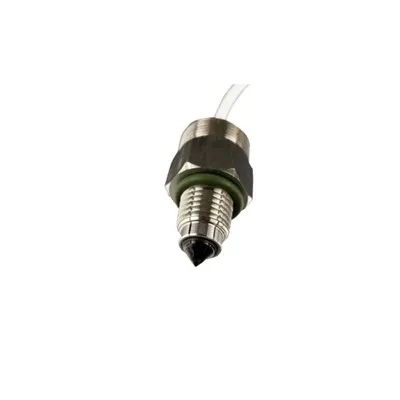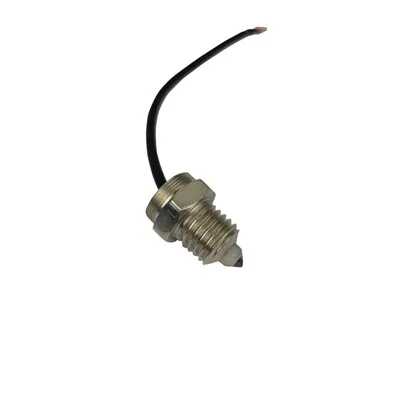
How does a millivolt gas valve work
If you've ever wondered, "How does a millivolt gas valve work?", you're not alone. This simple, reliable system powers many standing-pilot appliances-especially a gas fireplace millivolt valve-without needing household electricity. Understanding millivolt gas valve operation also makes it easier to diagnose a no-heat or no-flame complaint.
What a Millivolt Gas Valve Is (and Where You'll Find One)
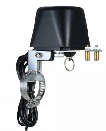
A millivolt gas valve (also called a gas control valve) is a safety and control device that opens gas flow using a tiny DC voltage-typically produced by the pilot flame. You'll see it in a pilot light millivolt system on fireplaces, wall heaters, and some furnaces.
Key parts:
Gas valve / gas control valve body (main and pilot passages)
Thermopile generator gas valve circuit (thermopile, wiring, switch)
Safety features (pilot safety magnet, pressure regulation depending on model)
How It Generates Power: Thermopile + Pilot Flame
The pilot flame heats a thermopile (often 750 mV open-circuit). That thermopile produces enough electricity to:
Hold the safety magnet open (so pilot gas can stay on).
Power the main valve coil when there's a call for heat.
If you're comparing millivolt vs electronic ignition, this is the big difference: millivolt systems are self-powered by flame heat, while electronic ignition needs external power and control boards.
What Actually Opens the Valve: The Control Circuit
When a wall switch, thermostat, or remote closes the circuit, millivoltage flows through the valve operator coil, opening the main gas port.
A typical millivolt valve wiring diagram concept is:
Thermopile leads → TH/TP and TP terminals
Switch/thermostat between TH and TH/TP
Also verify the gas control valve millivolt rating (e.g., 750 mV systems) matches your appliance design.
Safety Basics Built In
Common millivolt gas valve safety features include:
Pilot safety shutoff (loss of pilot flame drops millivoltage, valve closes)
Manual control knob positions (OFF/PILOT/ON)
Some models include pressure regulation and outlet pressure test ports
Millivolt Gas Valve Troubleshooting (Fast, Practical Checks)
If a millivolt gas valve not opening is the symptom, focus on flame quality, voltage, and circuit resistance.
Weak pilot = weak power
A weak pilot flame thermopile fix often includes cleaning the pilot assembly and ensuring the flame fully engulfs the thermopile tip.
How to test thermopile output
To learn how to test thermopile output:
Measure open-circuit: thermopile disconnected; expect roughly 500–750 mV.
Measure closed-circuit (under load): switch ON; often 200–500 mV depending on the valve and wiring.
If voltage is good open-circuit but collapses under load, suspect poor connections, high-resistance wiring, or a failing valve coil.
Replace and Install: Do It Safely
If you must replace millivolt gas valve, treat it like a gas-line job. Use a manufacturer-specific millivolt gas valve installation guide, leak-test all joints, and confirm inlet/outlet pressures. Many homeowners should hire a licensed tech-especially on a fireplace.
For best millivolt gas valve brands, choose OEM-recommended models and reputable controls manufacturers matched to your appliance.
Takeaway
So, How does a millivolt gas valve work? The pilot-heated thermopile makes electricity that powers a gas valve and keeps it safe. When the control circuit closes, the gas control valve opens-simple, rugged, and perfect for standing-pilot systems.