How to Choose an Ultrasonic Tank Level Sensor
Reliable Non-Contact Measurement for Tanks, Vessels, and Storage Systems
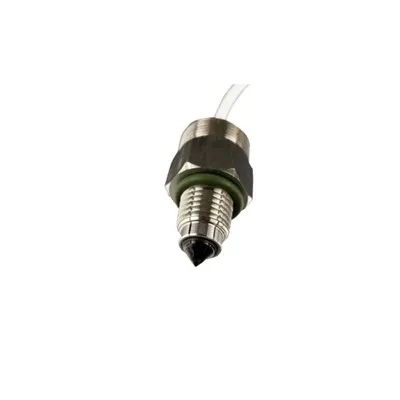
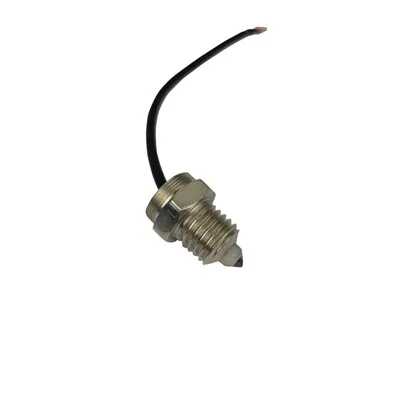
Choosing the right ultrasonic tank level sensor can make your level measurement system more accurate, safer, and easier to maintain. Whether you manage water tanks, chemical storage, wastewater basins, bulk process vessels, or day tanks, ultrasonic technology offers a practical way to measure liquid level without direct contact with the material.
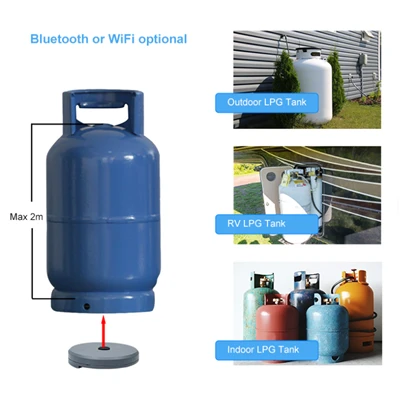
An ultrasonic level sensor uses high-frequency sound waves to measure the distance between the sensor and the liquid surface. Because the sensor does not touch the product, it can help reduce maintenance, limit contamination risk, and simplify installation in many tank level monitoring applications.
If you are comparing sensor options, the right choice depends on your tank design, liquid type, environment, control system, and accuracy requirements. Our ultrasonic level sensing solutions are designed to help you monitor inventory, prevent overflow, reduce downtime, and make better operating decisions.
Why Choose Ultrasonic Tank Level Monitoring?
For many industrial and commercial tanks, ultrasonic sensing provides an effective balance of performance, cost, and convenience. Unlike float switches or contact probes, ultrasonic sensors are mounted above the liquid and measure from the top down.
Key advantages include:
Non-contact measurement for liquids that may be corrosive, dirty, sticky, or difficult to access
Continuous level data instead of simple high or low point detection
Reduced mechanical wear because there are no moving parts in contact with the liquid
Flexible installation on many tank types, including plastic, metal, concrete, and open basins
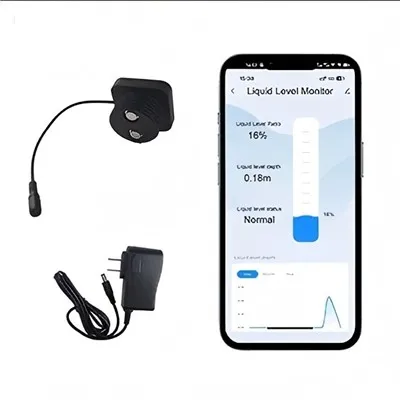
Integration options for pumps, alarms, displays, PLCs, telemetry systems, and remote monitoring platforms
Improved safety by reducing the need for manual tank checks
For operations that depend on accurate tank inventory, pump control, spill prevention, or process reliability, ultrasonic tank level monitoring can provide clear visibility without overcomplicating your system.
What to Consider Before Selecting a Sensor
Not every tank application is the same. A sensor that works well in a clean water tank may not be ideal for a foaming chemical process or a dusty bulk storage area. Before choosing an ultrasonic tank level sensor, review the following factors.
1. Tank Height and Measurement Range
The first step is to confirm the total distance the sensor needs to measure. Ultrasonic sensors typically measure the air gap between the sensor face and the liquid surface, then convert that distance into a level value.
Consider:
Maximum tank height
Minimum and maximum liquid levels
Distance from the sensor mounting point to the tank bottom
Any required empty space near the top of the tank
Whether the sensor has enough range for your full operating span
It is also important to allow for the sensor's minimum measurement distance near the sensor face. This area is often called the blanking distance or dead band. If the liquid rises too close to the sensor, it may not provide a valid reading.
2. Liquid Type and Surface Conditions
Ultrasonic sensors work best when the liquid surface reflects sound waves clearly. Smooth, open liquid surfaces are usually ideal. However, real tanks may contain agitation, foam, vapor, turbulence, or buildup.
Review whether your tank includes:
Foam or froth
Steam, condensation, or heavy vapor
Agitators or mixers
Filling streams that splash near the sensor
Floating debris
Sloped or uneven liquid surfaces
For difficult conditions, sensor placement and configuration become especially important. In some cases, accessories such as stilling wells, proper mounting brackets, or alternative sensing technologies may be recommended.
3. Tank Geometry and Mounting Location
A successful installation depends on giving the sensor a clear acoustic path to the liquid surface. Internal obstructions can create false echoes and reduce measurement reliability.
Before selecting a sensor, identify:
Tank shape and diameter
Nozzles, ladders, braces, pipes, mixers, or baffles inside the tank
Fill points and discharge areas
Available mounting openings
Whether the sensor will be mounted vertically
Any nearby walls that may interfere with the sound beam
For best results, the sensor should typically be mounted where it has an unobstructed view of the liquid surface and is not aimed at sidewalls, structural supports, or incoming flow.
4. Environment and Enclosure Requirements
The sensor must be suited to its installation environment. Indoor utility rooms, outdoor storage tanks, washdown areas, and harsh industrial sites may all require different enclosure ratings and materials.
Consider exposure to:
Rain, sunlight, wind, or freezing temperatures
Washdown or spray
Dust, dirt, or corrosive atmosphere
Temperature swings
Humidity and condensation
Hazardous or classified locations, if applicable
If the sensor will be used outdoors or in demanding environments, choose a model with suitable housing materials, sealing, cable entry, and environmental protection.
5. Output Signal and System Integration
Your ultrasonic level sensor should communicate easily with your existing equipment. Depending on your system, you may need a simple analog output, relay outputs, digital communication, or connection to a local display or remote tank level monitoring platform.
Common integration needs include:
Continuous level output for a PLC or controller
Pump start and stop control
High-level or low-level alarms
Local digital display
Remote monitoring through telemetry or cloud-based systems
Data logging for compliance, inventory, or maintenance planning
Before purchasing, confirm the sensor output type, power requirements, wiring needs, and compatibility with your control system.
Product Features That Support Better Measurement
Our ultrasonic level sensor options are selected to support dependable performance in a wide range of tank applications. Available configurations may vary, but typical features can include:
Non-contact continuous level measurement
Configurable measuring range
Analog output options for level signal transmission
Relay options for alarm or control functions
Rugged housings for industrial environments
Simple setup and calibration
Compatibility with common tank monitoring systems
Mounting accessories for easier installation
Support for level, distance, or volume-based monitoring depending on system configuration
Because every application has different requirements, our team can help you compare options and choose a sensor that fits your tank, liquid, and control strategy.
Benefits for Your Operation
The right ultrasonic tank level sensor can deliver more than a level reading. It can improve the way your facility manages storage, production, safety, and maintenance.
Improve Inventory Visibility
Know how much liquid is available without relying on manual checks. Continuous tank level monitoring helps teams plan deliveries, avoid shortages, and manage usage trends more effectively.
Reduce Overflow Risk
When connected to alarms or control systems, ultrasonic sensors can help detect high-level conditions before they become spills or safety concerns.
Support Pump Automation
Use level data to control pumps, protect equipment from dry-run conditions, or maintain process levels within a desired operating range.
Lower Maintenance Demands
Because ultrasonic measurement is non-contact, there are no floats, rods, or probes submerged in the liquid. This can reduce cleaning needs and limit failures caused by mechanical wear or product buildup.
Make Data Easier to Access
When integrated with displays, controllers, or remote monitoring systems, level data becomes easier for operators, maintenance teams, and managers to use.
Pricing and Selection Guidance
Pricing for an ultrasonic tank level sensor depends on the measurement range, enclosure type, output requirements, accessories, certifications, and monitoring features needed for your application. Instead of offering a one-size-fits-all recommendation, we help match the sensor to the actual conditions in your tank.
To receive an accurate recommendation, be ready to share:
Tank height and diameter
Liquid type
Expected minimum and maximum level
Indoor or outdoor installation details
Temperature and environmental conditions
Mounting locati0n or nozzle size
Required signal output
Whether you need alarms, pump control, or remote monitoring
With these details, we can help identify a practical sensor configuration and provide pricing based on your project requirements.
Is Ultrasonic the Right Technology for Your Tank?
Ultrasonic sensing is an excellent choice for many liquid level applications, especially where non-contact measurement, straightforward installation, and continuous data are priorities. It is commonly used for water, wastewater, chemicals, oils, process liquids, and utility tanks.
However, every technology has limits. Heavy foam, dense vapor, severe turbulence, extreme condensation, or internal obstructions can affect ultrasonic performance. If your application includes challenging conditions, we can help determine whether ultrasonic is appropriate or whether another level measurement method should be considered.
Get Help Choosing the Right Sensor
A reliable level measurement system starts with the right product selection. If you are unsure which ultrasonic level sensor is best for your tank, our team can help you evaluate your application and narrow the options.
Contact us today to discuss your tank level monitoring needs, compare sensor configurations, and request a quote for an ultrasonic tank level sensor that fits your system.