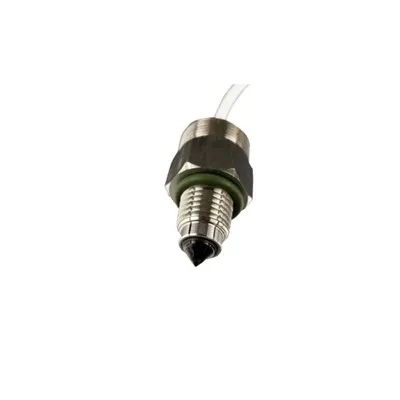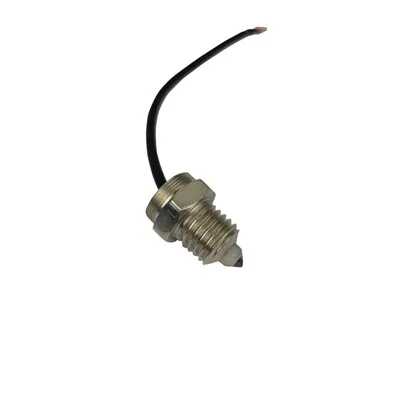
Top 5 Oil Level Sensors
Oil level monitoring is more than convenience: it helps prevent accelerated wear, overheating, and costly repairs when the low oil level warning light causes are real (leaks, burning oil, delayed oil changes) rather than a false alert. Today's oil level sensors range from simple float designs to fast, high-resolution capacitive units, and choosing the best oil level sensor for car use depends on fitment, accuracy, and durability.
What to check before you buy
Oil level sensor types capacitive vs float: capacitive typically offers better oil level sensor accuracy and response time; float is simpler and cheaper.
Engine oil level sensor locati0n by model: many mount in the oil pan/sump; some integrate with temperature measurement-verify access for service.
Oil level sensor compatibility VIN lookup: match connector, mounting pattern, and calibration to avoid "fits most" mistakes.
OEM vs aftermarket oil level sensor: OEM maximizes plug-and-play reliability; quality aftermarket can be cost-effective if well-reviewed and spec-matched.
Top 5 Oil Level Sensors (practical picks)
1) OEM Genuine (dealer-spec) oil level sensor
Best for factory integration and fewer surprises in oil level sensor calibration procedure. Ideal when you want the correct oil level gauge behavior and minimal warning-light errors.
2) Bosch oil level sensor (OE supplier-grade)
Often closest to OEM behavior with strong sealing and stable readings. Good option when you want dependable oil level monitoring without dealer pricing.
3) HELLA oil level sensor (robust electronics)
Solid choice for long-term durability and consistent signal output. Helpful if you're doing oil level sensor wiring diagram troubleshooting and want clean, predictable electrical characteristics.
4) Dorman oil level sensor (budget-friendly replacement)
Best for older vehicles where cost matters most. Expect wider variation by application-double-check oil level sensor compatibility VIN lookup and return policies.
5) Universal float-style oil level sensor (custom builds)
Great for swaps, race cars, or auxiliary tanks. Simple operation, but be realistic about slosh and angle effects; it's a practical oil level sensor alternative dipstick method for custom setups.
Symptoms, diagnosis, and testing tips
Common oil level sensor symptoms and diagnosis include intermittent warnings, erratic readings, or warnings right after an oil change. Typical common oil level sensor failure modes:
internal contamination/sludge
connector corrosion
harness damage near the oil pan
How to test oil level sensor basics:
Verify oil level manually first (dipstick).
Inspect connector pins, ground, and harness routing.
Use a scan tool to check level data vs actual fill.
Confirm reference voltage and signal with a multimeter (use the service manual oil level sensor wiring diagram troubleshooting steps).
Cost and "pressure vs level" confusion
Oil level sensor vs oil pressure sensor: level measures quantity in the sump; pressure measures lubrication force while running-both can trigger warnings for different reasons. Typical oil level sensor replacement cost includes the sensor, oil loss/top-off, and sometimes a pan gasket or seal; labor can rise if access is tight.
Takeaway
Pick the right sensor by VIN, prioritize OEM-grade quality when possible, and validate warnings with a dipstick and electrical checks before replacing parts.
(Estimated body word count: ~490)