How To Monitor Water Level In a Tank: A Complete Guide
Know your tank level at a glance, reduce costly overflows, and keep critical water available when you need it most. Our tank monitoring solution combines dependable water level sensors, simple controls, and real-time alerts to help homeowners, farms, commercial sites, and facilities across the United States manage storage tanks with confidence.
Whether you're monitoring a rainwater harvesting tank, well water storage, irrigation supply, livestock tank, municipal reserve, or industrial process tank, the right system gives you more than a number. It gives you visibility, automation, and peace of mind.
Reliable water level monitoring for everyday and mission-critical tanks
Manual tank checks are time-consuming and easy to miss. Float gauges can be hard to read, and guessing based on pump behavior often leads to dry runs, spills, or emergency service calls. A modern water level monitoring system helps you track tank status continuously, so you can make better decisions before problems happen.
Our solution is designed to help you:
See current tank level without climbing, tapping, or opening the tank
Receive alerts when water is too low or too high
Support smarter pump operation and water level control
Reduce overflow, dry-tank, and pump-damage risks
Monitor tanks in residential, agricultural, commercial, and light industrial settings
Create a more dependable water management routine
How the system works
A complete tank monitoring setup typically includes a sensor, a control or display unit, and optional alert or automation features. Once installed, the sensor measures the water level inside the tank and sends that information to the display, controller, or connected monitoring platform.
Here's the simple process:
Measure the level The sensor reads the water height, pressure, distance, or float position depending on the application.
Send the signal The measurement is transmitted to a local display, controller, or connected gateway.
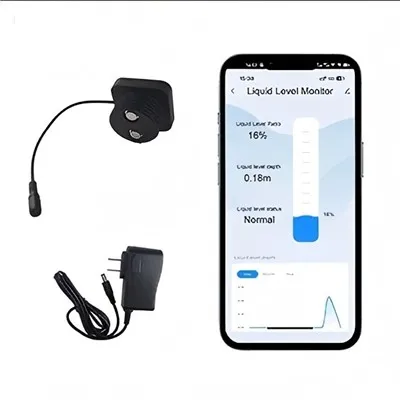
View tank status You can check level readings, percentage full, or alarm status depending on your configuration.
Trigger alerts or control actions The system can notify you when the tank reaches a defined high or low level. In compatible setups, it can also support pump start, pump stop, valve control, or other water management actions.
Choose the right water level sensors for your tank
Different tanks and applications need different sensor types. Our team can help match the right option to your tank material, tank height, water quality, environment, and control goals.
Common sensor options include:
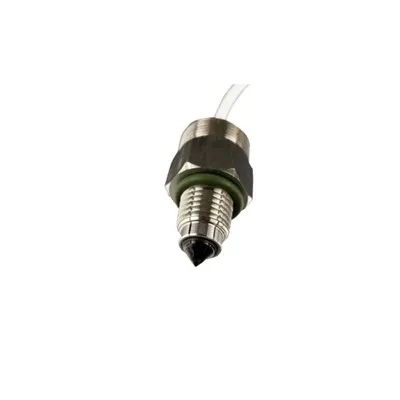
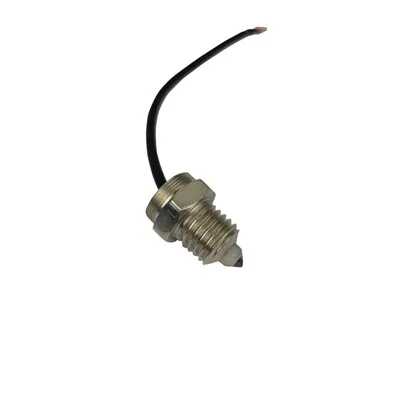
Ultrasonic sensors for non-contact level measurement in many above-ground tanks
Pressure transducers for measuring water depth based on hydrostatic pressure
Float switches for simple high-level or low-level alarm points
Continuous float sensors for ongoing level indication
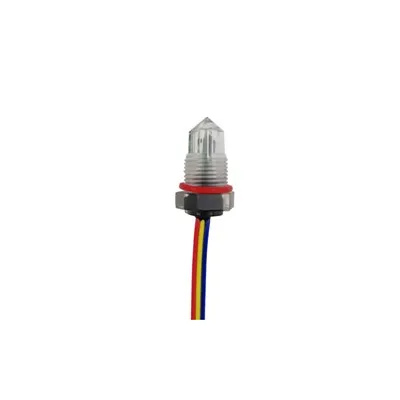
Conductive probes for select water detection and control applications
If you're not sure which sensor is best, we can help you evaluate important factors such as tank depth, access points, power availability, temperature exposure, sediment, foam, turbulence, and whether you need continuous readings or simple alarm points.
Built for better water level control
Monitoring tells you what is happening. Control helps you respond automatically. With the right configuration, your system can support water level control for pumps, valves, alarms, or relays.
That can help you maintain a preferred operating range, protect pumps from running dry, prevent overfilling, and reduce unnecessary manual intervention. For many users, this is the difference between simply checking a tank and actually managing it.
Popular control uses include:
Starting a fill pump when the tank drops below a set level
Stopping a pump when the tank reaches a safe high level
Activating alarms for low supply or overflow risk
Supporting transfer between storage tanks
Helping irrigation or process systems maintain available water
Exact capabilities depend on the selected controller, sensor type, power setup, and installation environment.
Designed for residential, agricultural, and commercial use
Every water tank has a job. Our monitoring solutions are flexible enough for many common U.S. applications, including:
Private well storage tanks
Rainwater collection tanks
Farm and ranch water tanks
Irrigation supply tanks
Fire reserve and emergency water storage
Commercial facility water storage
Process water and utility tanks
Remote tanks where routine visual checks are inconvenient
From a single tank at a home to multiple tanks across a property, the goal is the same: make water storage easier to understand, easier to control, and easier to protect.
Key features and benefits
Our tank monitoring systems are selected and configured around practical field needs, not unnecessary complexity.
Real-time visibility
Check tank level without relying on guesswork. Depending on your configuration, readings may be shown as level, volume estimate, percentage, or status condition.
Custom high and low alerts
Set alert points that match your tank and usage pattern. Low-level alerts can help prevent supply interruptions, while high-level alerts can help reduce overflow risk.
Flexible sensor options
Choose from proven water level sensors based on how your tank is built and how precise your monitoring needs to be.
Control-ready configuration
Add water level control capabilities when you need automatic pump or valve actions, not just tank visibility.
Scalable setup
Start with one tank or expand to multiple tanks as your site grows. Configuration options vary by system type.
Practical installation support
We help you think through tank access, sensor placement, power, wiring, signal distance, and environmental conditions before you buy.
Product options and pricing
Because every tank site is different, pricing depends on your selected sensor, display or controller, alert requirements, installation conditions, and whether you need monitoring only or monitoring plus control.
Available options may include:
Basic high-level or low-level alarm packages
Continuous tank level display packages
Pump control and relay-based packages
Remote monitoring configurations
Multi-tank monitoring solutions
Replacement sensors and system accessories
For the most accurate recommendation, request a quote with your tank height, tank type, locati0n, desired alerts, and whether you need automatic control.
What to consider before choosing a system
To get the best results, identify the details of your tank and how you want the system to perform.
Before ordering, consider:
Tank height and diameter
Above-ground or below-ground installation
Water type, clarity, sediment, or debris
Whether the tank is vented or pressurized
Indoor, outdoor, or remote locati0n
Available power source
Preferred local display or remote alerts
Need for pump protection or automatic fill control
Number of tanks to monitor
If you don't have every detail, that's okay. We can help you narrow down the best fit based on the information available.
Why buy from us
Choosing a tank monitor is not just about the device. It is about getting a system that fits the tank, the environment, and the way you use water.
Customers choose our solutions because we focus on:
Clear recommendations without overcomplicating the project
Sensor options for different tank styles and budgets
Practical support for monitoring and control applications
Configurations that can reduce manual checks and prevent avoidable problems
Scalable solutions for homes, farms, facilities, and commercial sites
Frequently asked questions
What is the best way to monitor water level in a tank?
The best method depends on the tank and application. Ultrasonic, pressure, float, and probe-based systems can all work well when matched correctly. For continuous readings, use a sensor designed to measure level across the full tank range. For simple protection, high and low switches may be enough.
Can I get alerts when my tank is almost empty?
Yes. Many systems can be configured for low-level alerts. Depending on the package, alerts may appear on a local panel or through a connected notification method.
Can the system control my pump?
In many cases, yes. A control-ready system can help start or stop a pump based on tank level. Exact pump-control requirements should be reviewed before purchase to ensure compatibility.
Do I need professional installation?
Some basic systems are straightforward, while others require electrical, plumbing, or control panel experience. For safety and compliance, electrical and pump-control work should be handled by qualified professionals when required.
Get a tank monitoring recommendation
Stop guessing and start managing your water with confidence. Tell us about your tank, your site, and what you want to monitor or control. We'll help you choose the right water level monitoring solution for your needs.
Request a quote today and get a practical recommendation for your tank setup.