How to tell if a propane tank is full or empty without opening it
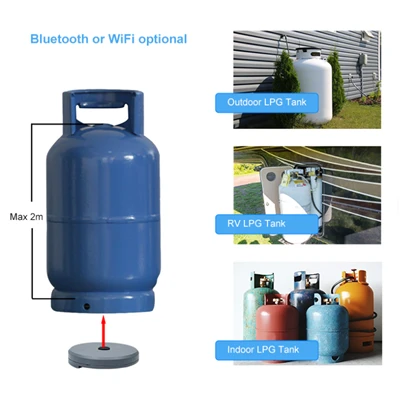
Propane tanks don't come with the same easy fuel gauge you get in a car, and opening a valve just to "check" the contents is unsafe. Fortunately, there are simple ways to estimate whether a tank is full, low, or empty without releasing propane. Whether you use a grill cylinder, RV tank, patio heater tank, or backup fuel supply, these methods can help you plan refills and support better propane tank maintenance.
Start with the safest rule
Never open a propane tank valve indoors or near flames, sparks, cigarettes, appliances, or electrical equipment. Propane is highly flammable, and even a small release can create a hazard. If you smell gas, hear hissing, see frost near the valve, or suspect a leak, move away from the area and contact a qualified propane professional.
Method 1: Check the tare weight and total weight
The most accurate no-opening method for portable propane cylinders is weighing the tank.
Most small propane tanks have a stamped "TW" on the collar. This means tare weight, or how much the empty tank weighs. A common 20-pound grill tank may weigh about 17 pounds empty and about 37 pounds when full, but always use the number stamped on your tank.
To check it:
Find the "TW" marking on the tank collar.
Weigh the tank on a scale.
Subtract the tare weight from the current weight.
The result is the approximate pounds of propane remaining.
For example, if the tank weighs 27 pounds and the tare weight is 17 pounds, you have about 10 pounds of propane left.
Method 2: Use the warm water test
The warm water test is a popular way to estimate the fuel level in a portable propane cylinder. Propane absorbs heat differently than the empty space inside the tank, so the tank wall feels cooler where liquid propane is present.
Here's how to do it:
Turn off the tank and connected appliance.
Pour warm, not boiling, water down the side of the tank.
Wait a few seconds.
Run your hand down the side of the tank.
Feel for the point where the metal changes from warm to cool.
The cool line indicates the approximate propane level. If the tank feels warm all the way down, it may be empty or nearly empty. If the cool area begins high on the tank, it is likely fairly full.
Method 3: Look at an installed gauge
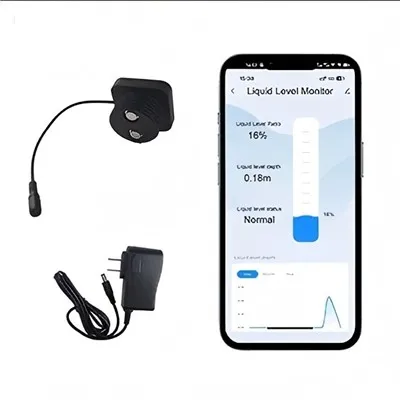
Some tanks have built-in or add-on gauges. These can be helpful, but they may not always read like a vehicle fuel gauge. Many propane tank gauges measure pressure or float level, and readings can be affected by temperature, tank position, or equipment quality.
Use a gauge as a helpful estimate, not the only part of your propane tank inspection. If the gauge says the tank is low and your appliance performance is weak, schedule a refill or exchange.
Method 4: Watch appliance performance
Appliance behavior can also give clues. A grill that won't reach normal heat, a weak flame, or a patio heater that struggles to stay lit may indicate a low tank. However, these symptoms can also come from clogged burners, regulator issues, cold weather, or a partially closed valve.
If performance drops suddenly, turn everything off and inspect the setup before assuming the tank is empty.
Quick inspection checklist before use
Use this inspection checklist whenever you handle or connect a propane tank:
Confirm the tank is upright and stable.
Check for rust, dents, bulges, or heavy corrosion.
Inspect the valve and collar for visible damage.
Make sure hoses are not cracked, brittle, or kinked.
Look for missing or damaged seals.
Keep the tank away from heat sources and enclosed spaces.
Verify that the appliance is turned off before connecting.
If you suspect a leak, do not use the tank.
When to refill, exchange, or call a professional
Refill or exchange a portable tank when your weight check, warm water test, or gauge shows it is low. Do not wait until a tank is completely empty if you rely on propane for cooking, heating, or backup use.
For larger residential tanks, avoid DIY guesses. Contact your propane supplier if the gauge is low, unreadable, damaged, or inconsistent. Regular propane tank maintenance and timely propane tank inspection help prevent interruptions, improve safety, and extend the life of your equipment.
The safest approach is simple: check without opening the valve, store tanks properly, and let a qualified professional handle leaks, repairs, or questionable tank conditions.