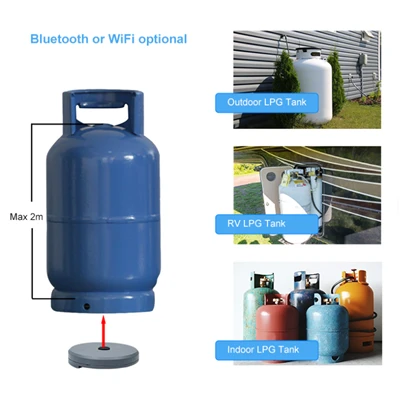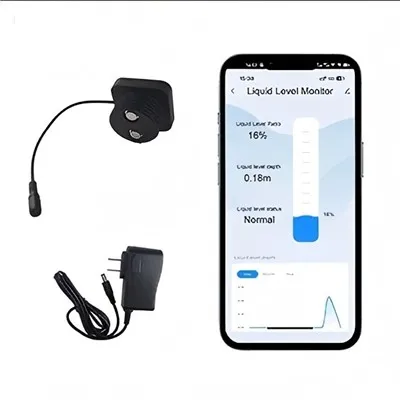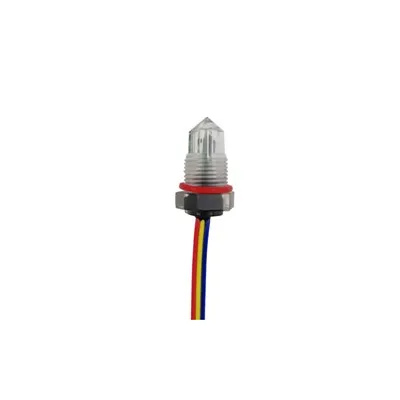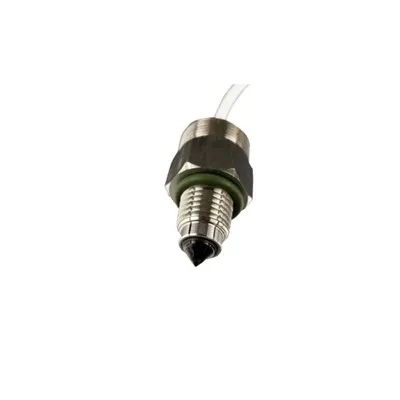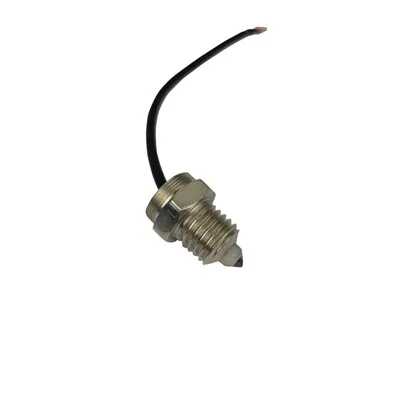
Hydrostatic level transmitter – how it works?
A hydrostatic level transmitter is one of those "set it and forget it" instruments that makes tank and wet-well level measurement feel almost boring-in a good way. If you've ever wondered "Hydrostatic level transmitter – how it works?", it comes down to a simple idea: the deeper the liquid, the higher the pressure at the sensor.
The hydrostatic level measurement principle (in plain English)
The hydrostatic level measurement principle uses hydrostatic pressure created by a liquid column. A pressure transmitter (often a submerged probe) measures that pressure and converts it into a level signal.
Pressure to level calculation formula
At a given depth, pressure is:
P = ρ · g · h
So the pressure to level calculation formula rearranges to:
h = P / (ρ · g)
That's why specific gravity compensation for level matters: if the fluid density changes (chemicals, brine, sludge), the same pressure can mean a different level.
Open vs closed tanks: two common setups
Open tank level measurement method
For an open tank, a hydrostatic level transmitter measures gauge pressure at the bottom (vented reference to atmosphere). This is the classic submersible pressure level sensor guide scenario: hang the probe, keep the vent tube dry, and you're done.
Closed vessel level measurement setup
In a sealed or pressurized vessel, you typically use a differential pressure transmitter for tank level:
High side to the bottom nozzle
Low side to the top vapor space This cancels out headspace pressure so the reading reflects liquid head only.
Output and wiring basics
Most units provide a level transmitter 4-20 mA output wiring connection (often 2-wire loop-powered). In practice:
4 mA = empty (or zero level)
20 mA = full scale Always confirm polarity, supply voltage, and whether the sensor is vented or sealed.
Calibration and what can go wrong
Hydrostatic level transmitter calibration steps
A quick, practical approach:
Confirm measuring range and fluid SG
Zero with known empty/low reference
Span with known full/high reference (or apply pressure with a calibrator)
Verify linearity and damping settings
Common hydrostatic level measurement errors
Watch for:
Wrong SG (needs specific gravity compensation for level)
Plugged impulse lines (DP setups)
Wet vent tube on submersibles
Temperature effects on pressure sensors (drift, density change)
Mounting at the wrong datum
Installation, selection, and troubleshooting
Level transmitter installation best practices:
Mount away from fill turbulence
Add a stilling well in agitated tanks
Use chemical-compatible wetted materials
Ultrasonic level sensor vs hydrostatic: ultrasonic is non-contact but hates foam, vapor, and heavy turbulence; hydrostatic shines in dirty liquids. That's why many consider hydrostatic the best level sensor for wastewater applications.
Hydrostatic level transmitter troubleshooting tips:
Compare mA output to expected level
Check venting/condensation
Inspect cable damage and buildup on the diaphragm
Takeaway
Hydrostatic measurement is simple physics plus good installation: measure pressure, convert to level, and keep density, venting, and setup details under control.
Estimated word count: ~495 words.