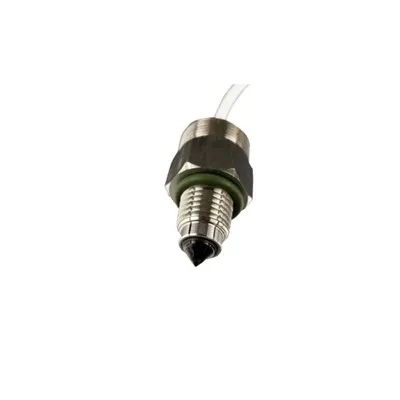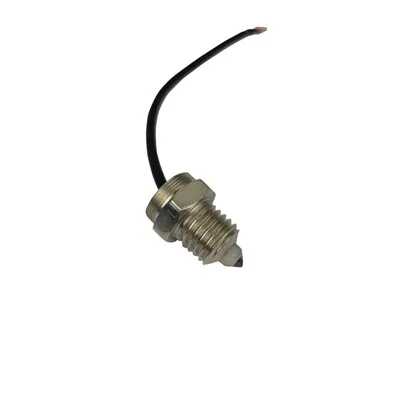
IoT Water Level Sensors for Efficiency
Water is one of the most important resources to manage accurately, whether you operate a commercial building, farm, manufacturing site, municipal facility, or residential property. Too little water can interrupt operations. Too much can cause overflow, equipment damage, wasted energy, and costly downtime. That is why modern iot water level sensors have become a practical solution for improving efficiency, reducing waste, and making water systems easier to monitor.
Unlike traditional manual checks or basic float switches, connected water level devices provide real-time visibility into tanks, reservoirs, wells, sumps, cisterns, and other storage systems. They help teams understand what is happening, respond faster, and make better decisions based on data instead of guesswork.
This guide explains how IoT water level sensing works, where it is used, what benefits it provides, and what to consider when choosing a system.
What Are IoT Water Level Sensors?
IoT water level sensors are connected devices that measure the level of water in a container, tank, natural body, or controlled system and transmit that data over a network. "IoT" stands for Internet of Things, which means the sensor can communicate with software platforms, dashboards, mobile apps, or automation systems.
A typical setup includes:
A sensor that detects the water level
A power source, such as mains power, battery, or solar
A communication module, such as Wi-Fi, cellular, LoRaWAN, Bluetooth, or Ethernet
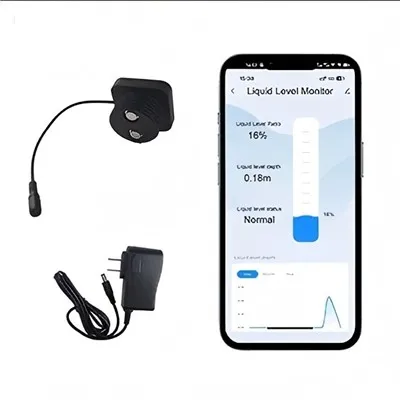
A cloud or local platform that stores and displays readings
Alerts or integrations that notify users or trigger actions
These systems are often grouped under the broader category of smart water sensors, because they do more than simply detect water. They collect data, identify patterns, support automation, and help prevent problems before they escalate.
Why Water Level Monitoring Matters
Reliable water level monitoring improves control over a system that can otherwise be difficult to manage. Manual readings take time, require staff availability, and may miss sudden changes. Basic mechanical devices can be useful, but they often lack remote visibility and detailed historical data.
Connected monitoring helps answer important questions, such as:
Is the tank close to empty?
Is water being used faster than expected?
Is a pump running when it should not be?
Is there a risk of overflow?
Are levels changing during off-hours?
Is stored water available when operations need it?
For many organizations, the value is not just knowing the current water level. It is knowing the current level at the right time, from the right place, with enough context to act quickly.
How IoT Water Level Sensors Work
Different sensor technologies measure water level in different ways. The right option depends on the application, environment, accuracy requirements, installation locati0n, and maintenance expectations.
Ultrasonic sensors
Ultrasonic sensors use sound waves to measure the distance between the sensor and the water surface. They are typically mounted above the water and do not need to touch the liquid. This makes them useful for tanks, reservoirs, and applications where contact with water should be avoided.
They are popular because they are non-contact, relatively easy to install, and suitable for many common monitoring environments. However, foam, turbulence, condensation, or obstructions inside a tank may affect performance.
Pressure sensors
Pressure-based sensors measure the force exerted by the water column. They are often installed at the bottom of a tank or submerged in the water. As the water level rises, pressure increases; as the water level drops, pressure decreases.
These sensors can be effective in wells, deep tanks, and applications where surface conditions make ultrasonic sensing less reliable. They may require more attention to material compatibility, cable protection, and long-term exposure to sediment or contaminants.
Radar sensors
Radar sensors use electromagnetic waves to measure distance to the water surface. Like ultrasonic sensors, they can be non-contact, but radar is often better suited for challenging environments involving vapor, temperature changes, or surface agitation.
Radar can provide strong performance, but it may come at a higher cost than simpler technologies. It is commonly considered for industrial, municipal, or mission-critical monitoring.
Float sensors
Float sensors use a buoyant component that rises or falls with the water level. They can be simple, dependable, and cost-effective for point-level detection, such as indicating when water is high, low, or at a specific threshold.
When connected to an IoT system, float sensors can support remote alerts and basic automation. However, they may not provide continuous level data unless designed for that purpose.
Capacitive and conductive sensors
Capacitive and conductive sensors detect water level based on changes in electrical properties. They can be used in certain tanks, appliances, and controlled systems. Their suitability depends on the water quality, installation conditions, and sensor design.
Key Benefits of Smart Water Sensors
The main reason organizations invest in smart water sensors is efficiency. Better data leads to better use of water, energy, labor, and equipment.
Reduced water waste
Real-time monitoring helps identify abnormal usage, leaks, overflow conditions, and inefficient refill cycles. Even small unnoticed problems can waste significant amounts of water over time. By detecting changes early, teams can investigate and correct issues faster.
Lower labor requirements
Manual inspections can be time-consuming, especially when tanks or water systems are spread across large properties or remote sites. IoT monitoring reduces the need for frequent physical checks and allows staff to focus on higher-value work.
Faster response to problems
Automated alerts can notify operators when water levels reach a defined threshold. For example, a system can send a text, email, or app notification when a tank is nearly empty or close to overflowing. This supports quicker decisions and can reduce the risk of downtime or damage.
Better pump and equipment management
Water systems often depend on pumps, valves, filters, and controls. Poor level visibility can cause pumps to run dry, cycle too frequently, or operate inefficiently. Connected water level data can support smarter pump scheduling and help extend equipment life.
Improved planning and forecasting
Historical data helps reveal patterns in water usage. A facility may learn that demand rises during certain shifts, seasons, weather conditions, or production cycles. This information can guide purchasing, maintenance planning, storage capacity decisions, and conservation efforts.
Remote visibility
For farms, utilities, property managers, and industrial sites, water infrastructure may be located far from the main office. Remote water level monitoring allows users to check conditions from a dashboard or mobile device without traveling to each locati0n.
Common Applications
IoT-enabled water level systems are used across many industries and property types. While the details vary, the goal is usually the same: maintain the right amount of water at the right time with less manual effort.
Agriculture and irrigation
Farms and greenhouses use water level sensors to monitor storage tanks, irrigation reservoirs, livestock water systems, and rainwater harvesting setups. Better visibility helps prevent shortages, manage pumping, and support more consistent irrigation.
Commercial and residential buildings
Buildings may use smart sensors for rooftop tanks, basement sump pits, water storage systems, cooling systems, or flood-prone areas. Alerts can help property teams respond before water-related problems affect occupants or operations.
Industrial facilities
Manufacturing sites often rely on tanks for process water, wastewater, cooling, cleaning, or chemical dilution. Connected monitoring helps maintain continuity and supports compliance with internal operating procedures.
Municipal water and wastewater
Municipal teams may monitor reservoirs, lift stations, stormwater systems, and wastewater assets. Remote level data can support maintenance scheduling, overflow prevention, and better response during heavy rainfall events.
Environmental and flood monitoring
Water level sensors can help track rivers, ponds, canals, retention basins, and flood-prone areas. When paired with alerts, they can provide early warning for changing conditions.
Rainwater harvesting and reuse systems
Properties that collect and reuse rainwater need to know how much water is available. IoT monitoring can show storage trends, support pump control, and help users understand how effectively the system is performing.
Features to Look For
Choosing the right system requires more than selecting a sensor type. A complete solution should fit the environment, data needs, and operational workflow.
Important features include:
Measurement range: The sensor should support the depth or height of the tank or water body.
Accuracy: Higher-precision applications may require more advanced sensing technology.
Connectivity: Choose a communication method that works reliably at the installation site.
Power options: Remote sites may need long-life batteries or solar power.
Durability: Outdoor, industrial, or corrosive environments require appropriate housing and materials.
Alert capabilities: Look for customizable thresholds and notification options.
Dashboard access: Data should be easy to view, understand, and export when needed.
Integration options: Some systems can connect with pumps, building management systems, irrigation controls, or maintenance software.
Ease of installation: A practical system should match available mounting locations and maintenance capabilities.
Security: Connected devices should use appropriate data protection and access controls.
Best Practices for Implementation
To get the most value from iot water level sensors, start with a clear plan. Technology works best when it is matched to a specific operational need.
Define the goal
Before selecting equipment, identify the main problem you want to solve. Are you trying to prevent overflows, reduce manual checks, protect pumps, monitor consumption, or improve water availability? The answer will guide sensor type, alert settings, and reporting needs.
Choose the right measurement points
Sensor placement affects data quality. Install sensors where they can provide a representative reading and avoid unnecessary interference. For tanks, this may mean avoiding fill streams, ladders, mixers, or internal obstructions. For open water, it may mean choosing a stable mounting locati0n protected from debris.
Set useful alert thresholds
Too many alerts can lead to alarm fatigue. Too few can leave problems unnoticed. Start with practical thresholds, then adjust them as you learn normal operating patterns.
Common alert types include:
Low-level warning
Critical low-level alarm
High-level warning
Overflow risk alarm
Rapid level change alert
No-data or communication failure alert
Review historical trends
Real efficiency gains often come from trend analysis. Review data over days, weeks, and seasons to identify recurring issues. Patterns may reveal leaks, excessive consumption, pump inefficiencies, or opportunities to resize storage.
Maintain the system
Even smart systems need periodic checks. Inspect mounting hardware, clean sensors when required, verify readings, replace batteries, and confirm alerts are reaching the right people. A simple maintenance routine can improve long-term reliability.
How IoT Water Level Sensors Improve Efficiency
Efficiency comes from reducing waste, preventing failures, and improving decision-making. For example, a facility that previously checked tank levels once per day may miss a rapid drain event overnight. With connected monitoring, the team can receive an alert as soon as the level drops outside the expected range.
In another case, a farm may use water level trends to understand when irrigation demand is highest and adjust pump schedules accordingly. A property manager may use sump level alerts to prevent basement flooding. A manufacturer may use storage data to avoid production delays caused by insufficient process water.
These improvements may seem small individually, but they can add up through fewer emergency visits, less wasted water, longer equipment life, and more predictable operations.
Common Mistakes to Avoid
When implementing smart water monitoring, avoid these common pitfalls:
Choosing a sensor without considering the environment
Relying on weak connectivity at a remote locati0n
Setting alert thresholds too close to normal operating levels
Ignoring maintenance requirements
Failing to train staff on how to use the dashboard
Collecting data without reviewing it regularly
Installing sensors where turbulence or obstructions affect readings
A successful system is not only about hardware. It also depends on workflow, responsibility, and consistent use of the data.
The Future of Water Level Monitoring
Water management is becoming more connected, automated, and data-driven. As sensor technology improves, more systems are expected to combine level readings with flow data, weather inputs, pump performance, water quality measurements, and predictive analytics.
This creates opportunities for smarter decisions. Instead of reacting to problems after they happen, teams can anticipate demand, schedule maintenance earlier, and automate routine responses. For organizations focused on conservation, resilience, and operational efficiency, connected water monitoring is becoming an essential part of modern infrastructure.
Final Thoughts
IoT water level sensors provide a practical way to improve visibility, reduce waste, and manage water systems more efficiently. By combining accurate measurement with remote access, alerts, and historical data, they help users move from manual observation to proactive control.
Whether the goal is preventing overflows, protecting pumps, supporting irrigation, managing tanks, or improving facility operations, smart water sensors can make water level monitoring simpler and more reliable. The best results come from choosing the right sensor technology, installing it correctly, and using the data consistently to guide decisions.