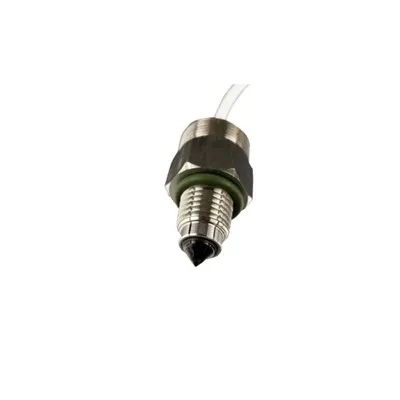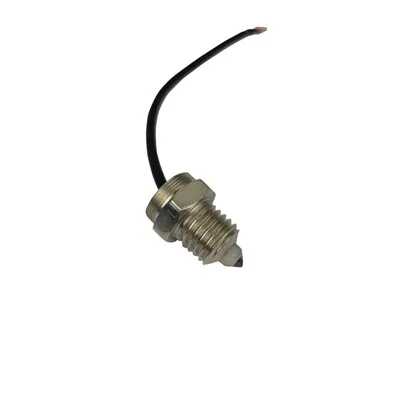
Level Sensors for Water amp Wastewater Lift Stations
Why Level Sensing Matters in Lift Stations
Lift stations keep wastewater moving when gravity flow is not enough. Inside a wet well, accurate level measurement helps operators start and stop pumps, prevent overflows, reduce pump wear, and maintain compliance with local and federal wastewater requirements. Choosing the right level sensors for lift stations is not just a controls decision-it affects reliability, maintenance time, energy use, and public health protection.
In water and wastewater environments, sensors must perform in harsh conditions that may include grease, foam, turbulence, rags, corrosive gases, sediment, and changing temperatures. The best solution is often the one that balances accuracy, durability, maintenance needs, and compatibility with existing SCADA or pump control systems.
Common Types of Water Level Sensors for Lift Stations
Submersible Pressure Transducers
Submersible pressure transducers are widely used water level sensors for wet wells. They are installed below the water surface and measure hydrostatic pressure to determine depth.
They are popular because they are relatively simple, cost-effective, and accurate for continuous level measurement. However, they must be protected from buildup, cable damage, and debris. In wastewater applications, vented cables and proper installation are important to maintain dependable readings.
Ultrasonic Level Sensors
Ultrasonic sensors are non-contact level measurement devices mounted above the liquid surface. They send a sound pulse toward the water or wastewater surface and calculate level based on the return signal.
Because they do not touch the wastewater, they can reduce fouling and maintenance. However, foam, heavy condensation, vapor, turbulence, or obstructions in the wet well can affect performance. Correct mounting locati0n is critical.
Radar Level Sensors
Radar level sensors are also non-contact devices, but they use microwave signals instead of sound. They are often selected for demanding wastewater environments because they can perform well despite vapor, temperature changes, and some surface disturbances.
Radar may have a higher upfront cost than some alternatives, but it can be a strong fit where reliability and reduced maintenance are priorities.
Float Switches
Float switches are commonly used for pump control, backup alarms, or redundant high-level protection. They are simple and familiar to many maintenance teams.
While floats are useful, they can become tangled, coated with grease, or blocked by debris. Many lift stations use floats as a backup rather than relying on them as the only level control method.
Key Selection Factors
When comparing level sensors for lift stations, consider the full operating environment rather than sensor type alone.
Important factors include:
Wet well depth and diameter
Presence of foam, grease, rags, or solids
Required measurement range and accuracy
Need for continuous measurement or point-level alarms
Compatibility with PLCs, RTUs, pump controllers, and SCADA systems
Maintenance access and confined space requirements
Corrosion resistance of wetted or exposed materials
Backup alarm requirements
Total lifecycle cost, not just purchase price
Best Practices for Reliable Level Measurement
Use Redundancy Where Failure Is Costly
Lift stations often benefit from a primary continuous sensor paired with independent high-level alarm protection. This helps reduce the risk of overflow if one device fails or becomes obstructed.
Install Sensors Away From Turbulence
Sensor placement should avoid influent streams, pump turbulence, ladders, piping, and other obstructions. A stilling well may be useful in some applications, but it must be designed to avoid clogging.
Plan for Maintenance
Even low-maintenance sensors require inspection. Build sensor checks into routine lift station maintenance, including cable condition, mounting hardware, signal stability, and buildup around sensing areas.
Match Outputs to Your Controls
Before selecting level measurement devices, confirm the required signal type, such as analog output, relay output, digital communication, or integration with telemetry equipment. This helps avoid costly field modifications.
Choosing the Right Sensor Strategy
There is no single best option for every lift station. A small municipal pump station may need a straightforward pressure transducer and backup floats, while a critical wastewater station may justify radar technology with redundant alarms and SCADA integration.
The right approach starts with site conditions, operational goals, and risk tolerance. By selecting durable water level sensors, installing them correctly, and maintaining them consistently, utilities and facility operators can improve pump performance, reduce emergency callouts, and help protect surrounding communities from wastewater overflows.