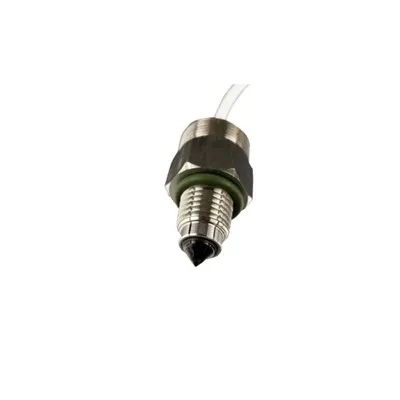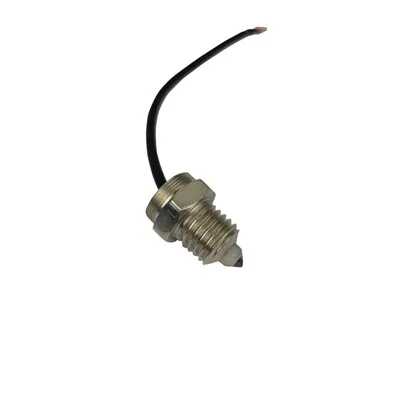
Magnetic vs Ultrasonic Flowmeters
Choosing the right flowmeter is one of the most important decisions in any process, utility, water, wastewater, or industrial operation. Flowmeters influence billing, batching, chemical dosing, quality control, equipment protection, and regulatory reporting. When comparing Magnetic vs. Ultrasonic Flowmeters, the best choice depends on the fluid, pipe conditions, installation constraints, accuracy needs, maintenance expectations, and budget.
Both technologies are widely used as industrial flowmeters, but they work in very different ways. Magnetic meters rely on electromagnetic principles and require conductive liquids. Ultrasonic meters use sound waves and can often measure flow without cutting into the pipe. Understanding these differences helps engineers, plant managers, and operations teams select the most reliable flow measurement solutions for their application.
How Magnetic Flowmeters Work
Magnetic flowmeters, also called mag meters or electromagnetic flowmeters, measure liquid flow using Faraday's Law of Electromagnetic Induction. In simple terms, when a conductive fluid moves through a magnetic field, it generates a voltage. The meter measures that voltage and converts it into a flow rate.
A typical magnetic flowmeter includes:
A flow tube installed in the process line
Magnetic coils that generate a magnetic field
Electrodes that detect the induced voltage
A transmitter that calculates and displays flow rate
Because the measurement is based on the velocity of a conductive liquid, magnetic flow measurement is commonly used for water, wastewater, slurries, chemicals, pulp and paper fluids, and other conductive process liquids.
Magnetic meters have no moving parts inside the flow stream. This makes them attractive for applications where mechanical wear, pressure drop, or clogging could be a concern. They are also well suited for dirty liquids and fluids with suspended solids, provided the fluid is conductive and compatible with the meter liner and electrodes.
How Ultrasonic Flowmeters Work
Ultrasonic flowmeters measure flow using high-frequency sound waves. Instead of relying on the electrical properties of the fluid, they analyze how sound behaves as it travels through or along the moving liquid.
There are two common ultrasonic measurement methods:
Transit-time ultrasonic measurement
This method sends ultrasonic signals both with and against the direction of flow. Sound traveling with the flow arrives slightly faster than sound traveling against it. The meter calculates flow velocity based on this time difference. Transit-time meters are typically best for clean liquids or gases with minimal suspended particles or bubbles.
Doppler ultrasonic measurement
Doppler meters measure frequency shifts caused when sound waves reflect off particles, bubbles, or suspended solids in the fluid. These meters are often used where the liquid contains enough reflective material for a stable signal.
Ultrasonic meters can be installed inline, insertion-style, or clamp-on. Clamp-on models are especially useful when the pipe cannot be cut, the process cannot be shut down, or the fluid is corrosive, high-purity, or difficult to access directly.
Key Differences Between Magnetic and Ultrasonic Flowmeters
Although both are advanced flow measurement devices, their ideal use cases are not the same. The biggest difference is the measurement principle. Magnetic flowmeters require a conductive liquid, while ultrasonic meters rely on sound transmission through the pipe and fluid.
Magnetic meters are often chosen when the fluid is conductive, the application demands stable inline measurement, and the piping system can accommodate meter installation. Ultrasonic meters are often preferred when non-invasive measurement is valuable, when pipe cutting is undesirable, or when the fluid is not conductive.
Another important distinction is how each technology responds to fluid conditions. Magnetic meters generally handle dirty conductive liquids well, including many slurries and wastewater streams. Ultrasonic meters may be more sensitive to air bubbles, pipe wall condition, signal interference, or changes in fluid profile, depending on the meter type and installation.
Fluid Compatibility
Fluid compatibility is usually the first screening factor.
Magnetic flowmeters are suitable only for conductive liquids. They are not used for gases, steam, hydrocarbons with low conductivity, or non-conductive oils. If the liquid does not meet the meter's minimum conductivity requirements, the measurement will be unreliable or impossible.
Ultrasonic flowmeters can measure many liquids and, in some designs, gases. Transit-time ultrasonic meters are commonly used for clean water, oils, refined fluids, and other relatively clear media. Doppler meters may work better for liquids containing suspended solids or bubbles, but they require enough reflective material to return a signal.
For example:
A municipal wastewater plant may choose an electromagnetic meter for raw sewage or sludge lines.
A facility monitoring chilled water flow may use either magnetic or ultrasonic technology, depending on pipe access and installation goals.
A plant measuring non-conductive oil would typically consider ultrasonic or another non-magnetic option.
Installation Considerations
Installation can strongly affect meter performance. Magnetic flowmeters are generally inline devices, meaning the pipe must be cut and the meter installed directly in the line. This provides a stable measuring section but may require shutdown time, flanges, grounding, and proper liner selection.
Ultrasonic meters, especially clamp-on models, can often be installed externally on the pipe. This is a major advantage for retrofit projects, temporary measurements, energy audits, or applications where process interruption is costly. However, clamp-on ultrasonic meters require careful setup. Pipe material, pipe wall thickness, liner condition, acoustic coupling, and straight-run availability can all affect signal quality.
Both meter types benefit from proper upstream and downstream piping conditions. Disturbed flow caused by elbows, pumps, valves, reducers, or partially filled pipes can reduce flowmeter accuracy. A well-designed installation is often just as important as selecting the right technology.
Accuracy and Repeatability
When comparing flowmeter accuracy, magnetic flowmeters are often known for strong performance in conductive liquid applications. They can provide stable, repeatable results when correctly sized, grounded, and installed in a full pipe.
Ultrasonic flowmeters can also deliver excellent accuracy, especially inline transit-time models installed under controlled conditions. Clamp-on ultrasonic meters may be highly useful, but their performance can vary more depending on pipe characteristics, sensor placement, fluid profile, and acoustic signal quality.
It is important to distinguish between accuracy, repeatability, and practical reliability:
Accuracy refers to how close the measured value is to the true flow rate.
Repeatability refers to the meter's ability to provide consistent readings under the same conditions.
Reliability includes long-term performance, maintenance requirements, and resistance to process disturbances.
For critical custody transfer, chemical dosing, or compliance applications, users should evaluate published meter specifications, calibration options, installation requirements, and process conditions before choosing a device.
Maintenance Requirements
Both technologies have advantages over mechanical flowmeters because they do not rely on rotating parts. However, maintenance needs still differ.
Magnetic flowmeters may require periodic inspection of electrodes, liners, grounding, and transmitter settings. In applications with coating, scaling, or abrasive slurry, the internal liner and electrodes should be selected carefully and checked as part of routine maintenance.
Ultrasonic clamp-on meters avoid direct fluid contact, reducing concerns about corrosion, contamination, and pressure boundary modifications. However, they may require periodic verification of sensor alignment, coupling condition, and signal strength. Inline ultrasonic meters may have different maintenance needs depending on the application and design.
In harsh industrial environments, the best meter is not always the one with the highest theoretical accuracy. It is the one that can continue providing dependable readings with reasonable maintenance effort.
Cost and Lifecycle Value
Initial purchase price is only one part of the decision. The total cost of ownership may include installation labor, shutdown time, calibration, spare parts, maintenance, process downtime, and replacement costs.
Magnetic meters may involve more installation work because they are commonly installed inline. However, they can offer strong long-term value in conductive liquid applications due to their durability, accuracy, and low pressure loss.
Ultrasonic clamp-on meters can reduce installation disruption and may be cost-effective for temporary or retrofit measurement points. They are also useful when a single portable meter is used to survey multiple lines. However, the application must support a reliable ultrasonic signal, or the apparent savings may be offset by measurement uncertainty.
Best Applications for Magnetic Flowmeters
Magnetic flowmeters are commonly used in:
Water distribution and treatment
Wastewater influent, effluent, and sludge lines
Chemical processing with conductive liquids
Food and beverage process lines where compatible sanitary designs are available
Mining and mineral slurry applications
Pulp and paper processes
Cooling water and process water systems
They are often a strong choice when the liquid is conductive, the pipe runs full, and long-term inline measurement is required.
Best Applications for Ultrasonic Flowmeters
Ultrasonic flowmeters are commonly used in:
Clamp-on flow surveys
Temporary flow monitoring
Energy management and HVAC systems
Clean liquid applications
Non-conductive liquids, depending on meter design
Large pipes where inline installation is difficult
Situations where pipe cutting or process shutdown is not practical
They are especially valuable when non-invasive measurement is a priority or when the process fluid should not contact meter components.
Which Flowmeter Should You Choose?
The right choice depends on the application.
Choose a magnetic flowmeter when:
The fluid is conductive
The pipe can be modified for inline installation
The process requires stable long-term measurement
The liquid may contain solids, sludge, or slurry
Low pressure drop and no moving parts are important
Choose an ultrasonic flowmeter when:
Non-invasive or clamp-on installation is preferred
The fluid is clean enough for transit-time measurement or contains reflectors for Doppler measurement
The liquid is non-conductive
The line cannot be shut down easily
Temporary, portable, or retrofit measurement is needed
In many facilities, both technologies are used in different parts of the same operation. A plant might rely on electromagnetic flowmeters for wastewater and process water while using ultrasonic meters for temporary audits, chilled water loops, or hard-to-access pipelines.
Final Thoughts
The comparison of Magnetic vs. Ultrasonic Flowmeters is not about which technology is universally better. It is about matching the measurement principle to the fluid, pipe, process, and operational goals.
Magnetic flowmeters offer proven performance for conductive liquids, especially in water, wastewater, slurry, and chemical applications. Ultrasonic flowmeters provide flexibility, non-invasive installation options, and compatibility with many fluids where magnetic measurement is not possible.
For the best results, evaluate the fluid properties, pipe conditions, accuracy requirements, installation limitations, and maintenance expectations before selecting a meter. When properly applied, both technologies can deliver dependable, efficient, and accurate flow measurement solutions for a wide range of industrial processes.