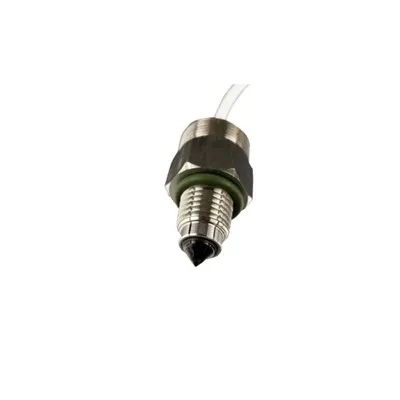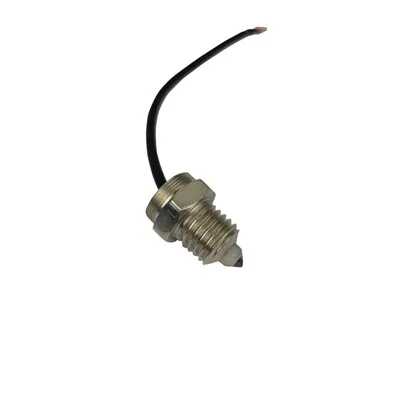
Types of Flow Meters Their Uses and Benefits
Choosing the right flow meter starts with understanding what you need to measure, how accurate the reading must be, and what conditions the instrument will face in the field. Flow measurement is used in water treatment, oil and gas, chemical processing, food production, HVAC systems, pharmaceuticals, manufacturing, and countless other applications where liquids, gases, or steam must be monitored and controlled.
A flow meter does more than show how much material is moving through a pipe. It can help improve safety, reduce waste, support compliance, protect equipment, and optimize process efficiency. This guide explains the most common flow meter types, where they are used, and the benefits they offer.
What Is a Flow Meter?
A flow meter is an instrument used to measure the rate, volume, or mass of fluid moving through a pipe, channel, or system. Depending on the application, it may measure:
Volumetric flow, such as gallons per minute or liters per hour
Mass flow, such as kilograms per hour or pounds per minute
Velocity, which is often used to calculate total flow
Totalized flow, or the accumulated amount over time
A flow meter may be mechanical, electronic, or a combination of both. Many modern systems use a digital flow meter with a display, transmitter, or communication output so readings can be sent to a control system.
Some devices are referred to as a flow sensor when they detect flow and send a signal rather than display the measurement directly. In practical use, the terms flow meter and flow sensor often overlap, especially in automated systems.
Why Flow Measurement Matters
Accurate flow measurement helps businesses make better decisions. If a system moves too much liquid, it may waste product or energy. If it moves too little, production quality can suffer. In safety-critical applications, poor measurement can lead to equipment damage, leaks, or process instability.
Reliable flow data can help teams:
Control chemical dosing
Monitor water consumption
Measure fuel or gas usage
Verify batching accuracy
Detect leaks or blockages
Improve pump performance
Maintain product consistency
Support environmental reporting
The right flow meter can reduce manual checks and give operators real-time insight into how a system is performing.
Main Flow Meter Types
Different technologies are suited to different fluids, pipe sizes, accuracy needs, and operating environments. Below are the most widely used flow meter types and what makes each one useful.
Differential Pressure Flow Meters
Differential pressure flow meters measure flow by creating a pressure drop across an obstruction in the pipe. Common designs include orifice plates, venturi tubes, and flow nozzles.
These meters are widely used because they are well understood, durable, and suitable for many industrial processes. They can measure liquids, gases, and steam when properly engineered.
Common uses include:
Steam systems
Water distribution
Oil and gas pipelines
Chemical processing
Power generation
Benefits include:
Proven technology
Suitable for high-temperature and high-pressure applications
Works with many fluid types
Often cost-effective for large pipes
The main limitation is that these meters can create permanent pressure loss, which may increase energy costs. They also require proper installation and straight pipe runs for best accuracy.
Magnetic Flow Meters
Magnetic flow meters, often called mag meters, use electromagnetic principles to measure conductive liquids. Because they have no moving parts in the flow path, they are excellent for dirty, corrosive, or abrasive liquids.
A magnetic liquid flow meter is commonly found in water, wastewater, mining, pulp and paper, and chemical applications.
Common uses include:
Municipal water systems
Wastewater treatment
Slurries
Acid and caustic liquids
Food and beverage liquids with conductivity
Benefits include:
No moving parts
Low pressure loss
Good accuracy for conductive liquids
Handles dirty or suspended solids well
Low maintenance compared with mechanical meters
Magnetic meters do not work with non-conductive fluids such as many oils, fuels, and pure hydrocarbons.
Turbine Flow Meters
Turbine flow meters use a rotor placed in the fluid stream. As fluid passes through the meter, the rotor spins, and the rotational speed is converted into a flow reading.
These meters are commonly used for clean, low-viscosity liquids and some gases. They can provide good accuracy when the fluid is consistent and free of debris.
Common uses include:
Fuel measurement
Clean water systems
Hydraulic fluids
Chemical batching
Utility gas measurement in selected applications
Benefits include:
Good accuracy for clean fluids
Fast response time
Compact design
Often available at moderate cost
Useful for batching and totalizing
Because the rotor is a moving part, turbine meters may wear over time. They are not ideal for dirty fluids, highly viscous liquids, or applications with frequent flow surges unless designed for those conditions.
Coriolis Flow Meters
Coriolis flow meters measure mass flow directly by detecting the twisting motion created as fluid moves through vibrating tubes. They are highly accurate and can also provide density and temperature information.
Coriolis meters are used where precision matters, especially in custody transfer, blending, chemical dosing, and high-value product measurement.
Common uses include:
Chemical production
Pharmaceutical manufacturing
Oil and fuel measurement
Food and beverage batching
High-accuracy liquid or gas applications
Benefits include:
Direct mass flow measurement
High accuracy and repeatability
Measures liquids and some gases
Can measure density as well as flow
Less dependent on fluid properties than many other meters
Coriolis meters are often more expensive than simpler technologies, but their accuracy and multi-variable measurement can justify the investment in critical processes.
Ultrasonic Flow Meters
Ultrasonic flow meters use sound waves to measure flow. Some are installed inline, while clamp-on versions attach to the outside of the pipe, allowing flow measurement without cutting into the system.
There are two common approaches: transit-time ultrasonic meters and Doppler ultrasonic meters. Transit-time meters work well with clean fluids, while Doppler meters are often used when bubbles or suspended particles are present.
Common uses include:
Water and wastewater
HVAC chilled water systems
Temporary flow surveys
Large pipelines
Non-invasive measurement projects
Benefits include:
Clamp-on options reduce installation disruption
No moving parts
Minimal pressure loss
Useful for large pipe sizes
Can be portable for diagnostics
Performance depends on pipe material, installation quality, and fluid condition. For best results, the meter must be matched carefully to the application.
Vortex Flow Meters
Vortex flow meters measure vortices that form behind a bluff body placed in the flow stream. The frequency of these vortices is related to flow velocity.
They are often used for steam, gas, and liquid applications where a rugged meter is needed.
Common uses include:
Steam flow measurement
Compressed air systems
Natural gas and process gas
Water and chemical lines
Industrial utility monitoring
Benefits include:
No moving parts
Suitable for steam and gas
Durable in industrial environments
Can measure a wide range of fluids
Good repeatability
Vortex meters typically need a minimum flow velocity to perform well and may not be ideal for very low-flow applications.
Positive Displacement Flow Meters
Positive displacement meters measure flow by repeatedly filling and emptying a known volume. Because they measure actual volume directly, they are useful for accurate measurement at lower flow rates.
These meters are often used for oils, fuels, syrups, and other viscous liquids.
Common uses include:
Fuel dispensing
Lubricating oil systems
Chemical batching
Viscous liquid measurement
Custody transfer applications
Benefits include:
Accurate at low flow rates
Good for viscous liquids
Direct volumetric measurement
Reliable totalizing
Useful where flow profiles are less ideal
The main drawback is that internal moving parts can wear, especially if the fluid contains solids or abrasive material.
Thermal Mass Flow Meters
Thermal mass flow meters measure flow based on heat transfer. They are especially common in gas applications because they can measure mass flow without needing separate pressure and temperature compensation in many cases.
A gas flow meter using thermal technology is often used for compressed air, nitrogen, natural gas, biogas, and other industrial gases.
Common uses include:
Compressed air monitoring
Industrial gas distribution
Emissions and environmental systems
Burner air or fuel gas control
Laboratory gas measurement
Benefits include:
Direct mass flow measurement for gases
Sensitive at low flow rates
No moving parts
Useful for energy management
Good for leak detection and usage monitoring
Thermal meters must be calibrated for the specific gas or gas mixture to achieve reliable results.
Variable Area Flow Meters
Variable area flow meters, also called rotameters, use a float that rises inside a tapered tube as flow increases. The float position indicates the flow rate.
These meters are simple, visual, and commonly used in local monitoring applications.
Common uses include:
Laboratory systems
Purge gas lines
Small water lines
Chemical feed systems
Equipment-level flow indication
Benefits include:
Simple operation
No external power required for basic models
Easy visual reading
Low cost
Useful for local indication
They are less suitable when remote digital monitoring, high accuracy, or changing operating conditions are required.
Digital Flow Meters and Smart Monitoring
A digital flow meter may use any of the measurement technologies above, but it includes electronic processing, a display, and often signal outputs. Digital models can connect to PLCs, SCADA systems, building management systems, or cloud-based monitoring platforms.
Digital meters are useful when teams need:
Real-time process visibility
Alarms for high or low flow
Totalized usage reports
Remote monitoring
Integration with automation systems
Better diagnostics and maintenance planning
Digital technology does not automatically make a meter more accurate, but it can make the data easier to use.
How to Choose the Right Flow Meter
The best meter depends on the process. Before selecting a flow meter, consider:
Fluid type Is it liquid, gas, steam, slurry, oil, water, or chemical? A liquid flow meter and gas flow meter often require different technologies.
Fluid properties Conductivity, viscosity, temperature, pressure, density, cleanliness, and corrosiveness all matter.
Flow range The meter must handle minimum, normal, and maximum flow rates.
Accuracy requirements Custody transfer, batching, and dosing usually require higher accuracy than general monitoring.
Installation conditions Pipe size, straight run, orientation, vibration, accessibility, and available power can affect performance.
Maintenance expectations Meters with no moving parts may reduce service needs in harsh environments.
Output and communication needs Decide whether you need a local display, pulse output, analog signal, or digital communication.
Key Benefits of Using the Right Flow Meter
When matched correctly to the application, a flow meter can deliver major operational benefits:
Improved efficiency: Monitor resource use and reduce unnecessary consumption.
Better quality control: Keep recipes, blends, and batches consistent.
Lower operating costs: Identify leaks, waste, and inefficient equipment.
Enhanced safety: Detect abnormal flow conditions before they become serious.
Regulatory support: Document water, gas, chemical, or emissions-related usage.
Smarter maintenance: Use flow trends to identify clogged filters, failing pumps, or blocked lines.
Final Thoughts
There is no single best flow meter for every application. Magnetic meters may be ideal for conductive wastewater, while Coriolis meters are preferred for high-accuracy mass measurement. Turbine and positive displacement meters can work well with clean liquids, ultrasonic meters offer non-invasive options, vortex meters are strong choices for steam and utilities, and thermal meters are often effective for gas flow measurement.
By understanding the main flow meter types and their uses, you can choose a solution that improves accuracy, reliability, and process control. The best results come from matching the meter technology to the fluid, operating conditions, accuracy needs, and long-term maintenance expectations.