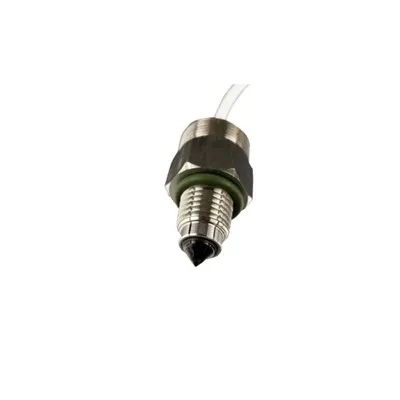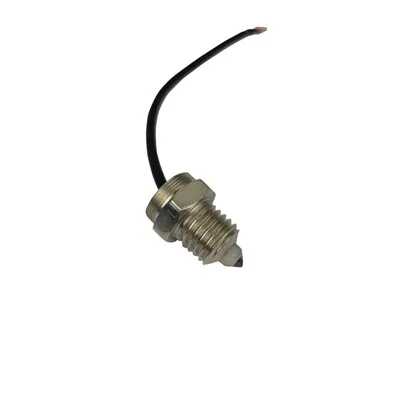
Ultrasonic level measurement in water and wastewater plants
Reliable level data is essential when every pump cycle, overflow risk, chemical dose, and compliance report depends on knowing exactly what is happening in your tanks and channels. Our non-contact ultrasonic sensors give water and wastewater plants a practical, low-maintenance way to monitor liquid level and distance measurement points without exposing the instrument to the process.
Designed for municipal and industrial treatment environments, this ultrasonic level measurement solution supports day-to-day operations in wet wells, lift stations, equalization basins, storage tanks, open channels, and sludge handling areas. It helps teams reduce manual checks, protect equipment, and improve visibility across the plant.
Ready to improve level monitoring? Request a quote or speak with a product specialist to match the right sensor to your application.
Built for Water and Wastewater Operations
Water and wastewater plants need instrumentation that performs in demanding conditions: condensation, foam, turbulence, odors, debris, and changing liquid surfaces. Non-contact ultrasonic level measurement is a proven approach for many of these applications because the sensor is mounted above the liquid and measures the distance to the surface using sound pulses.
That means no floats to foul, no probes to coat, and no wetted components to clean during routine operation. For facilities looking to modernize older level controls, replace mechanical devices, or add remote visibility, ultrasonic sensors offer a cost-effective path to more reliable measurement.
Ideal Applications
Use ultrasonic level measurement anywhere you need dependable, non-contact level or distance measurement in water and wastewater processes, including:
Influent wet wells and pump stations
Lift stations and collection system monitoring
Equalization and balancing tanks
Chemical storage tanks where compatible mounting is required
Filter backwash tanks
Clarifiers and process basins
Open channel flow measurement when paired with the correct primary element
Stormwater retention and overflow monitoring
Sludge tanks, depending on surface conditions
Industrial wastewater sumps and holding tanks
For challenging applications with heavy foam, vapors, extreme turbulence, or unusual geometry, our team can help review the measuring point and recommend the right configuration.
Key Benefits for Plant Teams
Reduce maintenance demands
Because ultrasonic sensors measure without contacting the liquid, they reduce the cleaning and mechanical wear issues often associated with submerged or contact-based devices. This is especially valuable in wet wells, sumps, and wastewater tanks where access can be difficult or hazardous.
Support pump protection and process control
Accurate level data helps automate pump starts and stops, prevent dry running, reduce unnecessary cycling, and maintain stable process conditions. Operators can make faster decisions when they have consistent level information available at the control system.
Improve safety
Non-contact measurement can reduce the need for manual tank checks and confined-space exposure. Staff can monitor levels from panels, PLCs, SCADA systems, or remote telemetry setups when the sensor is integrated with the plant's control architecture.
Control costs without sacrificing performance
For many water and wastewater applications, ultrasonic level measurement offers a strong balance of accuracy, simplicity, and affordability. It is often easier to install than more complex technologies and can be configured for a wide range of plant assets.
Enable better operational visibility
From daily process monitoring to alarm management, reliable distance measurement helps teams understand trends, respond to abnormal conditions, and document performance more confidently.
Product Features
Our ultrasonic level measurement products are selected and configured to suit your specific measuring point. Available options may include:
Non-contact measurement for liquids, slurries, and compatible process surfaces
Continuous level monitoring for tanks, basins, wells, and channels
Distance measurement from the sensor face to the liquid surface
Rugged housings suitable for plant and outdoor environments
Mounting accessories for tanks, brackets, stilling wells, or open channels
Analog output options for integration with PLCs and controllers
Digital communication options depending on model selection
Local display or programming options where required
Alarm relay options for high-level, low-level, or pump control applications
Temperature compensation to support changing ambient conditions
Configuration support for span, dead band, damping, and output scaling
Exact specifications vary by model and application. We help you select the correct sensor range, mounting style, output type, and accessories before purchase.
How Ultrasonic Level Measurement Works
An ultrasonic sensor emits a high-frequency sound pulse toward the liquid surface. The pulse reflects back to the sensor, and the device calculates distance based on the time it takes for the echo to return. Once the sensor knows the distance from its mounting position to the liquid surface, it can calculate level within the tank, basin, or channel.
This method is especially useful when the process liquid is dirty, corrosive, or difficult to contact directly. In many water and wastewater plants, the result is a cleaner installation with fewer moving parts and easier long-term maintenance.
Designed for Easy Integration
Whether you are upgrading a single lift station or standardizing level measurement across multiple assets, the system can be configured to fit your existing control strategy. Common integration goals include:
Sending level data to a PLC or RTU
Displaying level at a local panel
Triggering high-level and low-level alarms
Supporting pump control logic
Feeding data into SCADA or telemetry systems
Replacing floats or aging mechanical level devices
Adding continuous measurement where only point-level alarms exist today
Our application support team can help confirm wiring, output requirements, mounting locati0n, and commissioning considerations.
Selection Guidance
Choosing the right ultrasonic sensors for a water or wastewater application depends on more than tank depth. To recommend the best fit, we typically review:
Measuring range from full to empty conditions
Tank, basin, or channel dimensions
Mounting locati0n and available clearance
Presence of foam, turbulence, vapors, or obstructions
Desired output signal or communication protocol
Power supply availability
Environmental exposure, including outdoor mounting
Control requirements, such as alarms or pump logic
Required display, enclosure, and accessory preferences
If you are not sure which model you need, provide a few application details and we can guide you through the options.
Pricing and Ordering
Pricing depends on the measuring range, sensor configuration, output requirements, enclosure needs, mounting accessories, and quantity. Instead of offering a one-size-fits-all package, we provide application-based quotes so your plant receives the right product for the job.
A typical quote may include:
Recommended ultrasonic level sensor
Required mounting accessories
Optional display or controller components
Output and communication configuration
Documentation for installation and setup
Technical support for commissioning questions
For standard applications, we can usually recommend a suitable configuration quickly once we have basic details about the tank or channel.
Why Plants Choose This Solution
Water and wastewater teams need equipment that is practical, understandable, and serviceable. This ultrasonic level measurement solution is built around those priorities. It gives operators continuous level data without unnecessary complexity, and it gives maintenance teams an installation that is easier to inspect and service than many contact-based alternatives.
Use it to replace unreliable floats, reduce manual inspections, improve pump control, add remote monitoring, or standardize measurement across critical process points.
Frequently Asked Questions
Is ultrasonic level measurement suitable for wastewater?
Yes, ultrasonic level measurement is widely used in water and wastewater applications where the sensor can be mounted above the liquid with a clear path to the surface. Application conditions such as foam, heavy turbulence, and obstructions should be reviewed before selection.
Can ultrasonic sensors measure both level and distance?
Yes. The sensor directly performs distance measurement from the sensor face to the target surface. That distance is then used to calculate level based on the tank or channel setup.
Do ultrasonic sensors touch the liquid?
No. These are non-contact devices, which makes them useful for dirty water, wastewater, sumps, and many tanks where contact instruments may require more maintenance.
What information is needed for a quote?
Helpful details include the tank or basin depth, mounting locati0n, process conditions, required output, power supply, and whether the measurement will be used for display, alarms, pump control, or SCADA integration.
Request a Product Recommendation
Get a dependable level measurement solution matched to your plant's needs. Share your application details and our team will help you select the right ultrasonic sensors, configuration, and accessories for your water or wastewater process.