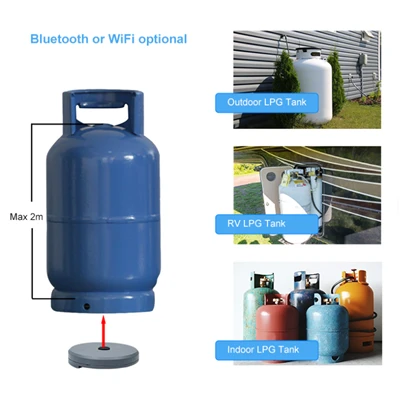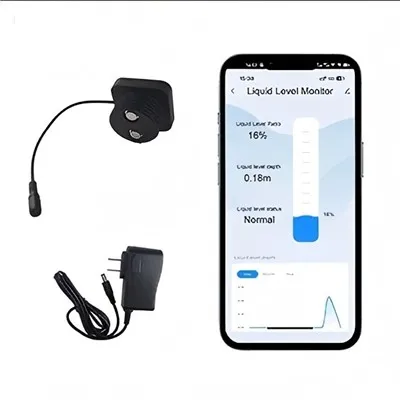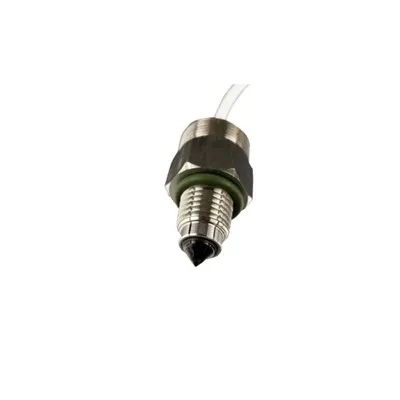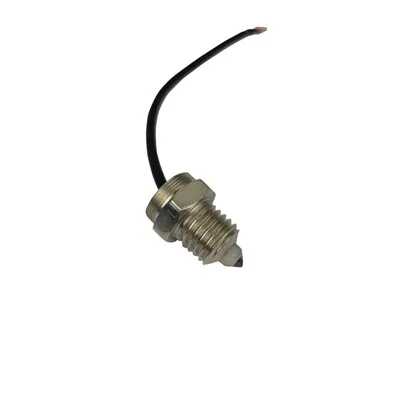
Ultrasonic Transmitter For Level Measurement In Tanks
Non-Contact Level Measurement for Demanding Tank Applications
Keep tanks monitored without putting sensors in contact with the material inside. This ultrasonic transmitter is designed for reliable, non-contact level detection in industrial tanks, day tanks, process vessels, chemical storage, water systems, wastewater treatment, and bulk material applications where continuous measurement matters.
Using proven ultrasonic sensors, the transmitter measures the distance between the sensor face and the material surface, then converts that reading into a level signal for operators, PLCs, control panels, or remote monitoring systems. The result is practical ultrasonic level measurement that helps teams reduce manual checks, improve inventory visibility, and protect equipment from overfill or run-dry conditions.
If your facility needs dependable industrial sensors for liquid or compatible solid level monitoring, this transmitter provides a straightforward way to modernize tank measurement without installing intrusive mechanical devices.
Why Choose an Ultrasonic Transmitter?
Traditional float switches, sight glasses, and manual inspections can be difficult to maintain, especially in tanks containing corrosive liquids, sticky media, wastewater, or materials that create buildup. Ultrasonic level measurement solves many of these challenges by measuring from above the product surface.
Key advantages include:
Non-contact operation to help reduce wear, contamination, and mechanical failure points
Continuous level feedback instead of simple high or low switching only
Simple installation through the top of the tank in many applications
Reduced maintenance compared with moving mechanical devices
Flexible integration with common industrial control systems
Improved operator visibility for storage, batching, treatment, and process control
For many U.S. plants, utilities, OEMs, and process facilities, ultrasonic sensors offer a strong balance of performance, cost-efficiency, and ease of use.
Built for Industrial Tank Monitoring
This ultrasonic transmitter is suitable for many common level measurement needs across industrial and municipal environments. It is especially useful where direct media contact is undesirable or where tank access is limited.
Common applications include:
Chemical storage tanks
Water and wastewater tanks
Process holding tanks
Sumps and lift stations
Bulk liquid inventory monitoring
Day tanks and feed tanks
Neutralization and treatment systems
Compatible granular or bulk solid storage
Open-channel or basin level applications when configured appropriately
Because every tank is different, the best transmitter configuration depends on the tank height, material being measured, process temperature, vapor conditions, foam, turbulence, mounting locati0n, and required output signal. If you are unsure which setup is right for your application, request a quote and application review.
Product Features
This ultrasonic transmitter is designed to help industrial users measure tank level with clarity and confidence.
Continuous ultrasonic level measurement for real-time tank status
Non-contact sensing technology ideal for many liquids and compatible solids
Top-mounted installation to reduce exposure to tank contents
Industrial output options for connection to PLCs, displays, controllers, or monitoring systems
Configurable measurement range based on tank size and application requirements
Rugged sensor construction options for industrial environments
Application-specific setup for tank geometry, empty distance, full level, and signal scaling
Low-maintenance design with no float, cable, or moving mechanism in the material
Alarm and control compatibility when connected to appropriate instrumentation
Useful for retrofit projects where existing manual or mechanical level devices need improvement
Benefits for Your Operation
Accurate tank level information supports safer, cleaner, and more efficient operations. By installing an ultrasonic transmitter, your team can reduce guesswork and respond sooner to changing tank conditions.
Operational benefits may include:
Better inventory control: Know how much material is available without relying on manual checks.
Improved process consistency: Maintain tank levels within desired operating ranges.
Reduced downtime: Detect low-level or high-level conditions before they interrupt production.
Safer monitoring: Limit the need for workers to climb tanks or open vessels for measurement.
Lower maintenance burden: Avoid common problems associated with floats, dip tapes, and mechanical linkages.
Cleaner measurement method: Keep the sensor outside the process media in many installations.
For facilities that already use industrial sensors across their operations, ultrasonic level measurement is a practical addition to a complete monitoring strategy.
How the Measurement Works
The transmitter sends an ultrasonic pulse toward the surface of the liquid or material. The pulse reflects back to the sensor, and the transmitter calculates the distance based on the return time. That distance is then converted into a level reading using the programmed tank height or measurement span.
In a typical tank application:
The transmitter is mounted above the material surface.
The empty and full reference points are configured.
The sensor measures the air gap between the sensor and the surface.
The transmitter converts the distance into level, volume, or signal output depending on the system setup.
The level value is sent to the connected display, PLC, controller, or monitoring platform.
This method is especially effective when the sound path is clear and the material surface provides a consistent return signal.
Specification and Configuration Options
Exact specifications vary by model and configuration. Available options may include:
Measurement ranges for small, medium, or large tanks
Analog output options for industrial control systems
Digital communication options when required by the application
Local display or remote display configurations
Enclosure and mounting options for indoor or outdoor use
Process connection options for tank top installation
Materials of construction selected for the operating environment
Power supply options compatible with industrial instrumentation systems
Configuration for level, distance, or volume indication
To ensure the right fit, provide your tank dimensions, media type, operating conditions, desired output, power availability, and installation locati0n when requesting a quote.
Ideal Applications for Ultrasonic Sensors
Ultrasonic sensors perform best when the sensor has a clear path to the surface and the application does not contain excessive foam, heavy vapor, extreme turbulence, or obstructions that interfere with the sound signal. In many clean liquid, wastewater, chemical, and storage tank applications, they are a dependable and cost-effective choice.
For challenging environments, an application review can help determine whether ultrasonic technology is the best choice or whether another level technology may be better suited. The goal is simple: match the sensor to the process so your level measurement system performs reliably after installation.
Pricing and Ordering
Pricing depends on the measurement range, output requirements, enclosure type, materials, mounting hardware, communication options, and any accessories needed for your installation. Because industrial tanks and process conditions vary, this product is typically quoted based on application details rather than a one-size-fits-all price.
Request a quote to receive:
Recommended transmitter configuration
Application-specific pricing
Availability and lead time information
Accessory recommendations when needed
Support for replacement, retrofit, or new installation projects
What to Provide for a Fast Quote
To help specify the correct ultrasonic transmitter, include as much of the following information as possible:
Tank height and diameter
Material being measured
Liquid or solid surface conditions
Temperature and pressure conditions
Presence of foam, vapor, dust, or agitation
Indoor or outdoor installation
Required output signal
Power supply requirements
Mounting connection size or available opening
Desired display, alarm, or control functionality
Even if you do not have every detail, basic application information is enough to start the selection process.
Frequently Asked Questions
Is ultrasonic level measurement contactless?
Yes. Ultrasonic level measurement is typically non-contact, with the transmitter mounted above the surface of the liquid or material.
Can ultrasonic sensors be used in chemical tanks?
They can be used in many chemical storage applications when the sensor materials, vapors, temperature, and mounting conditions are compatible. Application review is recommended.
Is this transmitter suitable for outdoor tanks?
Outdoor installation may be possible depending on the enclosure, mounting, temperature range, and environmental protection required. Select the appropriate configuration for the site.
What output can the transmitter provide?
Output options vary by configuration and may include common industrial signals for connection to PLCs, controllers, displays, or monitoring systems.
How do I know if ultrasonic is right for my tank?
Ultrasonic technology is often a strong choice when there is a clear sound path, limited foam or vapor, and a reasonably stable surface. Share your application details for guidance.
Get the Right Ultrasonic Transmitter for Your Tank
Improve tank visibility with non-contact ultrasonic level measurement designed for industrial use. Whether you are upgrading outdated mechanical devices, adding monitoring to a new tank, or standardizing industrial sensors across your facility, this ultrasonic transmitter can be configured to match your application.
Request a quote today to get product recommendations, pricing, and configuration support for your tank level measurement project.