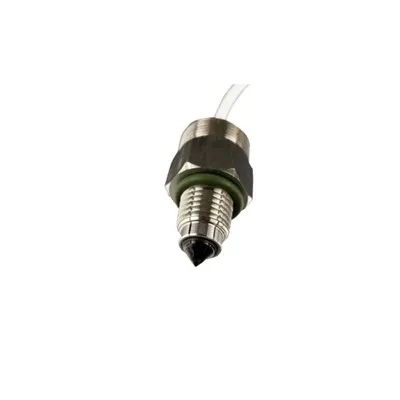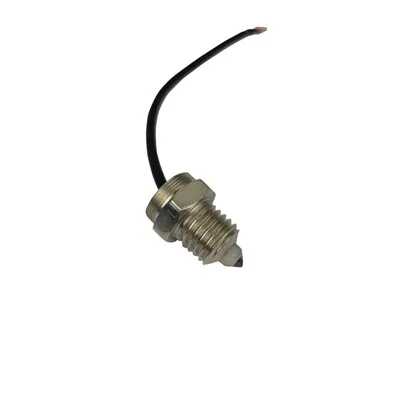
Vortex flow meter vs ultrasonic flow meter
Choosing between a vortex flow meter and an ultrasonic flow meter depends on the fluid, pipe conditions, accuracy needs, installation limits, and maintenance expectations. Both are widely used flow meter types, but they rely on very different flow measurement methods and perform best in different operating environments.
Quick comparison
A vortex flow meter measures flow by detecting vortices shed from a bluff body placed in the flow stream. As fluid passes the obstruction, alternating vortices form, and their frequency is used to calculate flow rate.
An ultrasonic flow meter measures flow using sound waves. Depending on the design, it may compare the travel time of ultrasonic pulses moving with and against the flow, or it may analyze frequency shifts caused by particles or bubbles in the fluid.
How each flow meter works
Vortex flow meter
Vortex meters use the principle of vortex shedding. When liquid, gas, or steam flows past a fixed object inside the meter body, vortices form at a frequency proportional to velocity. This makes vortex meters popular for applications where repeatable measurement is needed and the process fluid is clean enough to pass through an inline device.
Common uses include:
Steam flow monitoring
Clean liquid measurement
Compressed air and industrial gas applications
Utility flow measurement
Process control in manufacturing plants
Ultrasonic flow meter
Ultrasonic meters use acoustic signals to determine flow velocity. Clamp-on ultrasonic models can often measure flow from outside the pipe, while inline ultrasonic meters are installed directly in the process line. This flexibility makes ultrasonic technology attractive when avoiding pressure drop, contamination, or pipe cutting is important.
Common uses include:
Water and wastewater systems
Chemical processing
Large pipe flow measurement
Temporary flow audits
Applications where non-invasive measurement is preferred
Key differences to consider
1. Installation requirements
Vortex meters are typically installed inline, meaning the pipe must be cut and the meter inserted into the process. They also require sufficient straight pipe runs upstream and downstream to maintain a stable flow profile.
Ultrasonic meters may be inline or clamp-on. Clamp-on models are especially useful when the process cannot be interrupted or when the fluid must remain isolated from the sensor.
Best fit: Choose ultrasonic if non-invasive installation is a priority. Choose vortex if inline installation is acceptable and the application suits vortex shedding technology.
2. Pressure drop
Because vortex meters include an obstruction in the flow path, they can create some pressure drop. In many applications this is manageable, but it should be considered in low-pressure or energy-sensitive systems.
Clamp-on ultrasonic flow meters do not intrude into the pipe, so they typically create no process pressure drop.
Best fit: Ultrasonic is often better when minimizing pressure loss is critical.
3. Fluid compatibility
Vortex meters are commonly used with clean liquids, gases, and steam. They may not perform well with very dirty fluids, highly viscous liquids, or low-flow conditions where vortex formation is weak.
Ultrasonic meters can work well with many liquids, especially water-based fluids. However, performance depends on the ultrasonic method and fluid condition. Transit-time ultrasonic meters usually need a relatively clean fluid, while Doppler ultrasonic meters need suspended particles or bubbles to reflect the signal.
Best fit: Vortex is strong for steam and clean utilities. Ultrasonic is strong for many liquid applications and non-invasive monitoring.
4. Accuracy and repeatability
Both technologies can provide reliable measurement when correctly specified and installed. Vortex meters are known for stable repeatability in suitable applications, especially steam and clean process flows.
Ultrasonic meters can also deliver strong accuracy, particularly with proper pipe setup, good acoustic coupling, and a known pipe profile. Clamp-on models may be more sensitive to pipe material, wall thickness, lining, and installation technique.
Best fit: For permanent, controlled inline applications, either may work. For clamp-on convenience, ultrasonic offers flexibility but requires careful setup.
5. Maintenance needs
Vortex meters have no moving parts, which reduces mechanical wear. However, because they are in contact with the process, buildup or contamination can affect performance.
Clamp-on ultrasonic meters have no wetted components, making them appealing for corrosive, sanitary, or difficult-to-access fluids. Inline ultrasonic meters may still require process-compatible materials, but they generally avoid moving parts as well.
Best fit: Ultrasonic is often preferred when low-contact or no-contact measurement is valuable.
Pros and cons
Vortex flow meter advantages
Works well for steam, gas, and clean liquid applications
No moving parts
Good repeatability in stable flow conditions
Suitable for many industrial utility systems
Often simpler to apply in steam service than some other technologies
Vortex flow meter limitations
Usually requires inline installation
Creates some pressure drop
Needs sufficient flow velocity to generate vortices
Less suitable for dirty, highly viscous, or very low-flow applications
Ultrasonic flow meter advantages
Clamp-on options allow non-invasive measurement
No pressure drop with clamp-on designs
No moving parts
Useful for large pipes and temporary testing
Good option when the fluid should not contact the sensor
Ultrasonic flow meter limitations
Performance can depend heavily on pipe condition and installation quality
Transit-time models generally require clean fluids
Doppler models require reflectors such as bubbles or particles
Clamp-on accuracy can vary if pipe data is uncertain
Which flow meter should you choose?
Choose a vortex flow meter if your application involves steam, clean gas, or clean liquid flow, and you can install an inline meter with proper straight pipe runs. Vortex technology is a practical choice for many permanent industrial flow measurement methods where durability and repeatability matter.
Choose an ultrasonic flow meter if you need non-invasive installation, no pressure drop, or flexible measurement on existing piping. Ultrasonic technology is especially useful for water systems, large-diameter pipes, flow surveys, and applications where cutting into the pipe is not desirable.
Final recommendation
The best choice in the Vortex flow meter vs ultrasonic flow meter comparison depends less on which technology is "better" and more on which one fits your process conditions. Review the fluid type, pipe size, pressure, temperature, required accuracy, installation access, and maintenance expectations before selecting between these flow meter types.
If you are unsure, consult a flow measurement specialist with your process data before purchasing. A properly selected meter will deliver better accuracy, lower maintenance, and more reliable long-term performance.