Understanding Water Level Meters: A Comprehensive Guide
Measure Water Levels With Confidence
Accurate level measurement is essential when you manage wells, tanks, reservoirs, boreholes, treatment systems, or industrial liquid storage. A dependable Water Level Meter helps operators verify levels quickly, reduce guesswork, and make better decisions about maintenance, pumping, inventory, and safety.
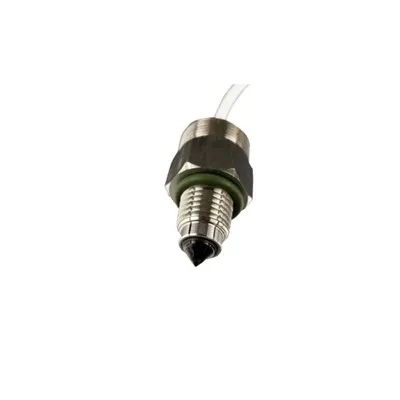
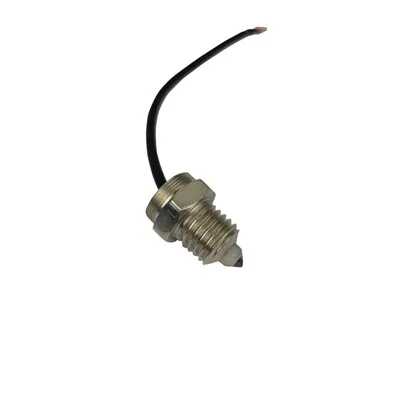
Designed for field use and day-to-day monitoring, a modern water level measuring solution gives you a clear reading when it matters most. Whether you need a portable meter for groundwater checks or a fixed water level sensor for continuous monitoring, the right equipment can improve efficiency, protect assets, and help you respond before small issues become costly problems.
What Is a Water Level Meter?
A Water Level Meter is a measuring device used to determine the depth or height of water in a well, tank, pipe, reservoir, or other container. Depending on the application, it may be used manually by lowering a probe into the water, or it may be installed as part of an automated monitoring system.
For many teams, a water level meter serves the same core purpose as a liquid level gauge: it helps you understand how much liquid is present and where the liquid surface is located. The difference is that water level meters are often optimized for water-focused environments such as groundwater testing, municipal systems, environmental monitoring, agriculture, and construction dewatering.
Built for Practical Level Measurement
When choosing a water level measurement product, accuracy is only one part of the equation. The meter should also be easy to use, rugged enough for its environment, and compatible with the way your team collects data.
Key product advantages may include:
Clear level detection: Identify the water surface quickly and confidently.
Field-ready construction: Suitable for routine use in outdoor, industrial, or utility environments.
User-friendly operation: Simple controls and readable measurement markings help reduce training time.
Multiple application options: Use for wells, tanks, monitoring points, sumps, reservoirs, and water storage systems.
Reliable performance: Consistent readings support better reporting, maintenance planning, and operational control.
Flexible configurations: Available options may include different cable lengths, probe types, sensor outputs, and display formats.
Ideal Applications
A Water Level Meter can be used across a wide range of industries and facilities. It is especially valuable anywhere liquid levels must be checked regularly, verified accurately, or monitored for changes over time.
Common applications include:
Groundwater and borehole monitoring
Water well inspection and testing
Municipal water and wastewater operations
Environmental site assessments
Tank level checking and inventory support
Agriculture, irrigation, and livestock water systems
Construction site dewatering
Stormwater and drainage monitoring
Industrial process water systems
Research, sampling, and compliance support
If your operation depends on knowing where the water is, a high-quality water level measurement device can simplify the process.
Why Accurate Water Level Data Matters
Incorrect or delayed level readings can lead to overflowing tanks, dry pumps, inaccurate usage records, process interruptions, or missed warning signs. A reliable liquid level gauge or water level sensor helps reduce these risks by giving your team the information needed to act at the right time.
With dependable level data, you can:
Prevent pump damage caused by low-water conditions
Improve water resource management
Support regulatory and environmental reporting
Detect unusual level changes earlier
Optimize refill, drawdown, and maintenance schedules
Reduce manual checking errors
Improve safety for operators and equipment
For facilities managing multiple measurement points, consistent equipment also helps standardize procedures and improve data quality across teams.
Choose the Right Measurement Style
Different applications require different measurement methods. Before selecting a product, consider how often you need readings, where the device will be used, and whether manual or automatic monitoring is best.
Portable Water Level Meters
Portable meters are ideal for field technicians, inspectors, and environmental professionals who need to visit multiple sites. These units are commonly used for spot checks in wells, boreholes, monitoring points, and tanks. They are practical when flexibility, mobility, and simple operation are priorities.
Fixed Water Level Sensors
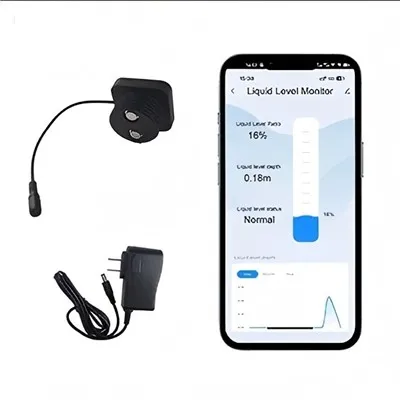
A fixed water level sensor is better suited for continuous monitoring. These sensors are installed in a tank, well, or process system and can provide ongoing level information to a display, controller, data logger, or monitoring platform. They are a strong choice for operations that need alerts, trends, automation, or remote visibility.
Liquid Level Gauge Solutions
A liquid level gauge may be preferred when operators need a visual or mechanical indication of liquid level. Gauges are often used on tanks or storage vessels where quick local reading is important. Depending on the system, a gauge can complement electronic sensing for added confidence.
Features to Look For
The best product for your site should match your measurement environment, accuracy needs, and workflow. When comparing options, look for features such as:
Durable probe or sensor construction
Easy-to-read graduations or digital display options
Cable or measuring tape lengths suited to your application
Compatibility with clean water, groundwater, process water, or wastewater conditions
Corrosion-resistant materials where needed
Audible, visual, or digital level indication
Simple cleaning and maintenance
Optional data logging or signal output for automated systems
Protective carrying case or mounting accessories
Support for replacement parts and calibration guidance where applicable
Because every site is different, it is important to confirm compatibility before purchase, especially for chemically exposed, high-temperature, pressurized, or hazardous environments.
Specifications and Configuration Options
Available specifications can vary by model. To help match the right Water Level Meter to your application, consider these selection factors:
Measurement range: Choose a cable, tape, probe, or sensor range that covers your deepest expected level.
Accuracy requirements: Select an option suitable for routine checks, compliance records, or process control.
Installation type: Decide between portable, panel-mounted, tank-mounted, or permanently installed configurations.
Output needs: For automated systems, confirm whether you need analog, digital, relay, or data logging capability.
Power source: Portable devices may use batteries, while fixed sensors may connect to a control system.
Environmental rating: Outdoor and wet-area installations may require weather-resistant or sealed designs.
Material compatibility: Ensure wetted parts are appropriate for the liquid being measured.
If you are unsure which configuration is best, request guidance before ordering. Matching the meter to your environment helps ensure better performance and longer service life.
Pricing and Ordering
Pricing for water level measurement products depends on the model, measurement range, materials, sensor type, accessories, and any required output or monitoring features. A basic manual unit may cost less than an advanced water level sensor with continuous monitoring, remote communication, or specialized construction.
To receive accurate pricing, provide details such as:
Application type
Water source or vessel type
Required measurement depth or range
Manual or continuous monitoring preference
Indoor or outdoor use
Desired display, alarm, or output requirements
Any environmental or material compatibility concerns
A quote-based approach ensures you only pay for the features you need while avoiding under-specified equipment that may not perform well in the field.
Simple Operation, Long-Term Value
A dependable Water Level Meter is more than a measurement tool. It is part of a smarter maintenance and monitoring process. By giving operators fast access to level data, it can help reduce downtime, improve safety, and support better water management decisions.
Compared with relying on visual estimates, outdated records, or inconsistent manual methods, a purpose-built liquid level gauge or sensor provides more confidence and repeatability. Over time, that reliability can translate into better planning, fewer surprises, and more efficient operations.
Frequently Asked Questions
What is the difference between a Water Level Meter and a water level sensor?
A Water Level Meter is often used for taking direct readings, either manually or with a display. A water level sensor is typically installed to detect or monitor level continuously and may send a signal to another device or control system.
Can one meter be used for both wells and tanks?
Some products can be used in multiple applications, but compatibility depends on the measurement range, probe style, materials, and site conditions. Always verify the model before use.
Is a liquid level gauge only for water?
No. A liquid level gauge may be designed for many types of liquids, depending on materials and construction. For water-specific applications, a water level meter or water level sensor may offer features better suited to wells, reservoirs, or water systems.
How do I choose the right range?
Select a range that exceeds your maximum expected measurement depth or tank height. If levels fluctuate significantly, allow enough margin for changing conditions.
Request a Product Recommendation
Find the right water level measurement solution for your application. Share your measurement range, installation environment, and monitoring needs, and get help selecting a Water Level Meter, liquid level gauge, or water level sensor that fits your operation.