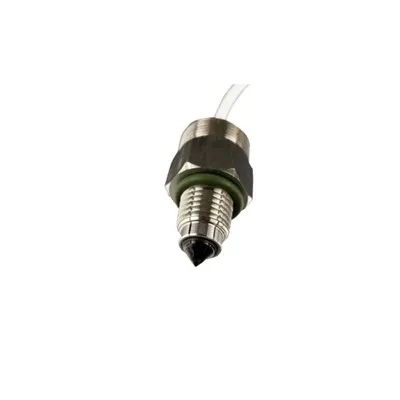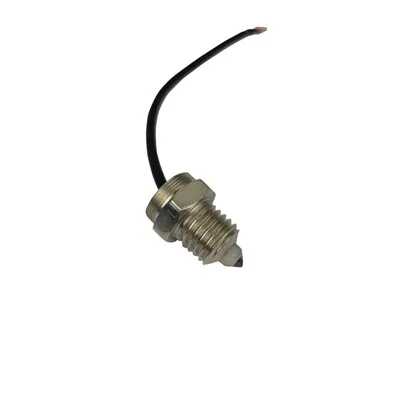
Water Level amp Interface Meters
Accurate Depth and Interface Measurement for Field and Facility Use
When you need dependable level readings in wells, tanks, boreholes, monitoring points, or industrial containment systems, precision matters. Our water level and interface measurement solutions are built to help technicians, engineers, environmental consultants, municipalities, and facility teams identify liquid levels quickly, clearly, and confidently.
Designed for demanding field conditions and routine site monitoring, these instruments support reliable measurement of water depth and liquid interfaces in a wide range of applications. Whether you are checking groundwater levels, verifying tank contents, monitoring remediation sites, or identifying the separation between immiscible liquids, our equipment helps reduce guesswork and improve documentation.
Built for Reliable Liquid Level Readings
Our product selection includes practical, field-ready instruments for measuring water levels and detecting product interfaces. These devices are commonly used as liquid level gauges, water level meters, and supporting tools alongside fixed water level sensors in broader monitoring programs.
They are designed to help users:
Locate static water levels in wells and boreholes
Measure depth to water from a known reference point
Detect liquid interfaces in monitoring wells or tanks
Support groundwater sampling and environmental reporting
Verify levels before maintenance, pumping, or remediation work
Improve consistency across recurring measurement events
Clear audible and visual indicators make readings easier to confirm, while durable reels and tapes support repeated use in the field.
Key Features
Clear Level Indication
Models are available with intuitive signals that alert the user when the probe reaches water or a liquid interface. Depending on the configuration, indicators may include sound, light, or both. This helps field personnel take readings efficiently, even in busy or low-visibility environments.
Durable Measuring Tape or Cable
The measuring line is designed for repeated deployment and retrieval. Depending on the model, options may include marked flat tape or cable-style assemblies suited to different field preferences and site conditions.
Portable Reel Design
A rugged reel helps protect the tape or cable during storage and transport. The portable format makes it easy to move between sampling points, monitoring wells, tanks, and job sites.
Probe Options for Multiple Applications
Probe configurations may vary based on the measurement task. Water level probes are typically used to detect conductive liquids such as groundwater, while interface probes are designed to help identify the separation between water and non-aqueous phase liquids.
Field-Friendly Operation
These instruments are made for practical use by technicians and operators. Simple controls, clear indicators, and manageable reel sizes help reduce training time and support repeatable measurements.
Benefits for Your Team
Choosing the right level measurement tool can improve both field efficiency and data quality. Our water level and interface instruments provide practical advantages for organizations that rely on accurate site information.
Improve Measurement Confidence
A clear signal helps users identify the exact point of contact, reducing uncertainty when recording depth-to-water or interface readings.
Support Better Documentation
Consistent manual readings are important for groundwater studies, remediation progress tracking, compliance records, and facility maintenance logs.
Reduce Field Delays
Portable, easy-to-use instruments help teams collect readings faster, especially when multiple wells or tanks need to be checked in one visit.
Match the Tool to the Application
From routine groundwater monitoring to oil-water interface detection, different job sites require different measurement capabilities. Available configurations allow you to select a meter that fits your operating environment.
Complement Permanent Monitoring Systems
Manual water level meters are often used alongside installed water level sensors to verify readings, perform spot checks, and maintain confidence in long-term monitoring programs.
Common Applications
These instruments are suitable for a broad range of professional and industrial uses across the United States, including:
Groundwater monitoring wells
Environmental site assessments
Remediation projects
Landfill and leachate monitoring
Municipal water and wastewater operations
Industrial tanks and containment areas
Oil-water interface detection
Construction dewatering projects
Hydrology and geotechnical investigations
Agricultural and irrigation water monitoring
Because site conditions vary, the best meter depends on the liquid type, expected depth, access point, required accuracy, and whether interface detection is needed.
Water Level Meters vs. Interface Meters
A standard water level meter is typically used to detect the presence of water and determine the depth to the water surface. It is a practical choice for groundwater wells, boreholes, reservoirs, and similar applications where the main requirement is measuring water level.
An interface meter is used when more than one liquid may be present and the separation between those liquids must be identified. This can be important in environmental remediation, fuel storage monitoring, and sites where oil, fuel, or other non-aqueous liquids may be present above or below water.
If your application involves only clean or conductive water, a water level meter may be sufficient. If you need to detect hydrocarbons or distinguish between liquid layers, an interface meter may be the better choice.
Product Configuration Options
Because measurement needs vary, available configurations may include options such as:
Different tape or cable lengths
Water level or interface detection probes
Audible and visual indicators
English or metric measurement markings
Replacement probes, tapes, or accessories
Carrying cases or field storage options
Models suitable for shallow, intermediate, or deeper measurement points
If you are unsure which setup is right for your site, our team can help you compare options based on your measurement depth, fluid type, access diameter, and reporting requirements.
Specifications to Consider
Before choosing from available liquid level gauges or meters, consider the following specification categories:
Measurement depth: Select a tape or cable length that exceeds the deepest expected reading.
Liquid type: Confirm whether you are measuring water only or identifying multiple liquid layers.
Probe diameter: Make sure the probe fits the well, tank port, or access point.
Measurement markings: Choose markings that align with your documentation standards.
Indicator type: Audible, visual, or combined signals may be preferred depending on site conditions.
Power source: Check battery requirements and replacement accessibility.
Field durability: Consider reel construction, tape material, and environmental exposure.
Maintenance needs: Look for easy cleaning, replaceable parts, and straightforward inspection.
Exact specifications vary by model and configuration. Contact us for current product details and availability.
Pricing and Availability
Pricing depends on the selected model, measurement length, probe type, accessories, and quantity. Because these instruments are often configured around site requirements, we recommend requesting a quote for the most accurate pricing.
Quote-based pricing helps ensure you receive the right meter for your application instead of overpaying for features you do not need or selecting a unit that is not suited to your site.
To get started, share a few basic details:
Intended application
Required measurement depth
Water-only or interface detection need
Well or access point diameter
Preferred measurement units
Quantity required
Delivery locati0n in the United States
Why Buy From Us
We help customers choose practical level measurement equipment for real-world field and facility use. Instead of offering a one-size-fits-all recommendation, we focus on matching the instrument to the application.
You can expect:
Product guidance based on your measurement goals
Configuration support before you order
Options for professional, municipal, environmental, and industrial use
Clear communication on pricing and availability
Support for selecting compatible accessories or replacement components when available
Request a Quote
Ready to choose the right meter for your monitoring program, facility, or field team? Contact us today to compare available options, confirm specifications, and request current pricing.
Get accurate readings, improve field confidence, and equip your team with dependable water level and interface measurement tools built for professional use.